


Manuel de Falla
Released Album
Orchestral
-
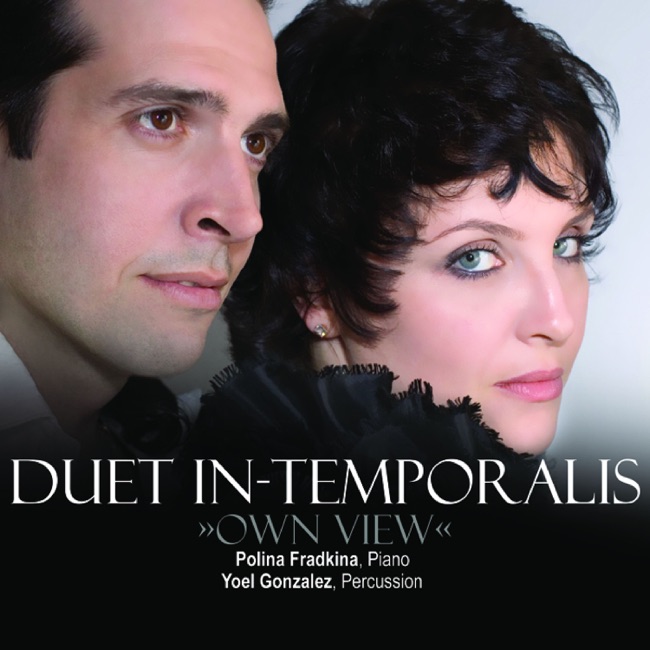 November 19, 2023
 -
 September 5, 2022
 -
 July 20, 2022
 -
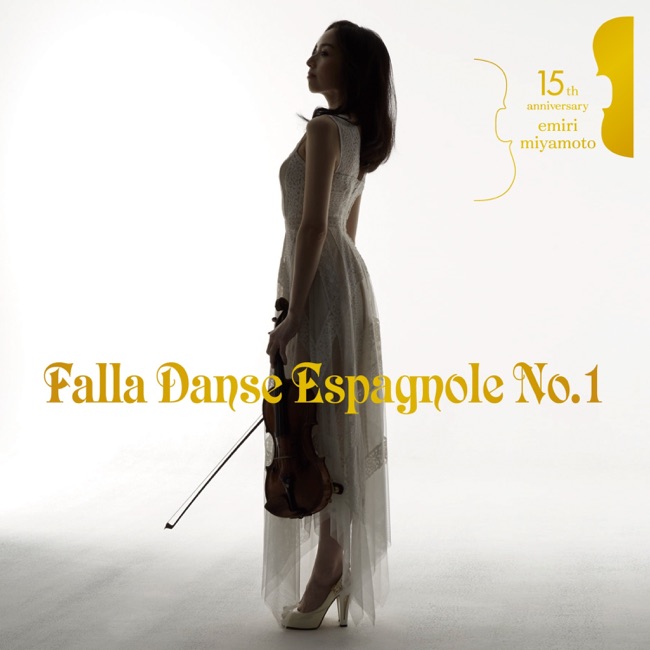 June 22, 2022
 -
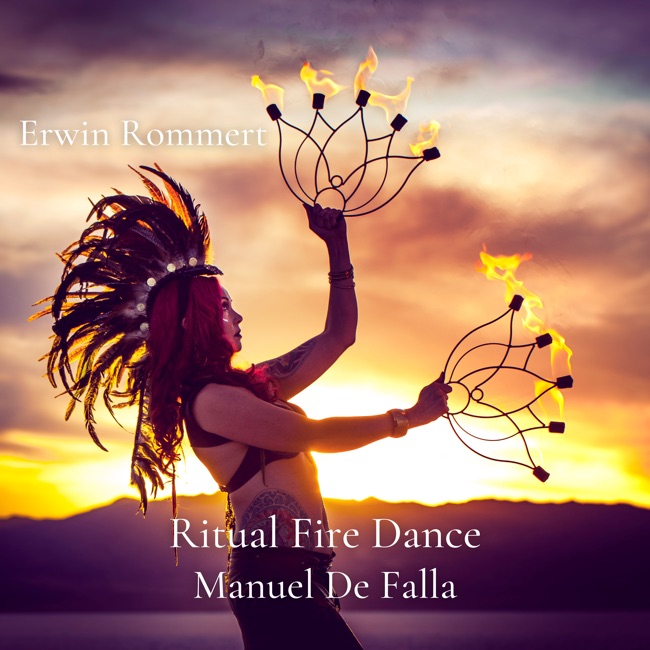 May 6, 2022
 -
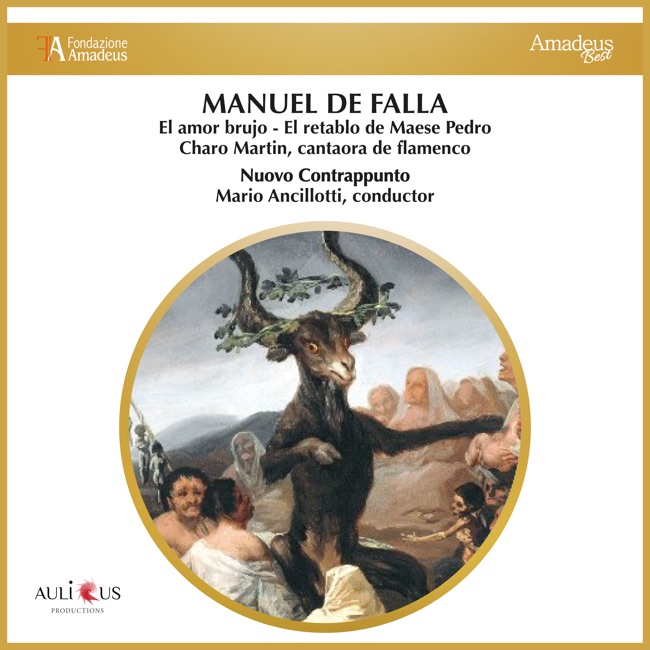 March 18, 2022
Ballet
-
-
 March 1, 2024
 -
 November 10, 2023
 -
 June 5, 2023
 -
Chamber
-
 September 13, 2024
 -
 September 13, 2024
 -
 March 22, 2024
 -
 March 15, 2024
 -
 January 12, 2024
 -
 January 5, 2024
Opera
-
 August 16, 2024
 -
-
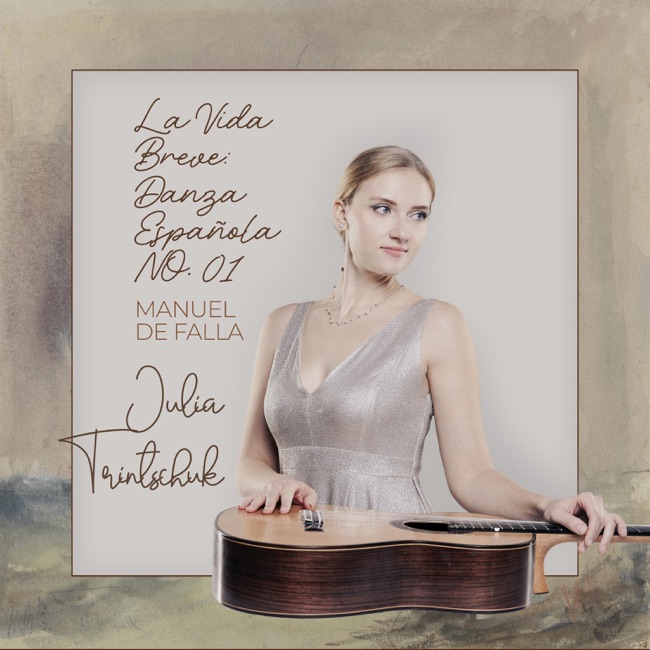 February 23, 2024
 -
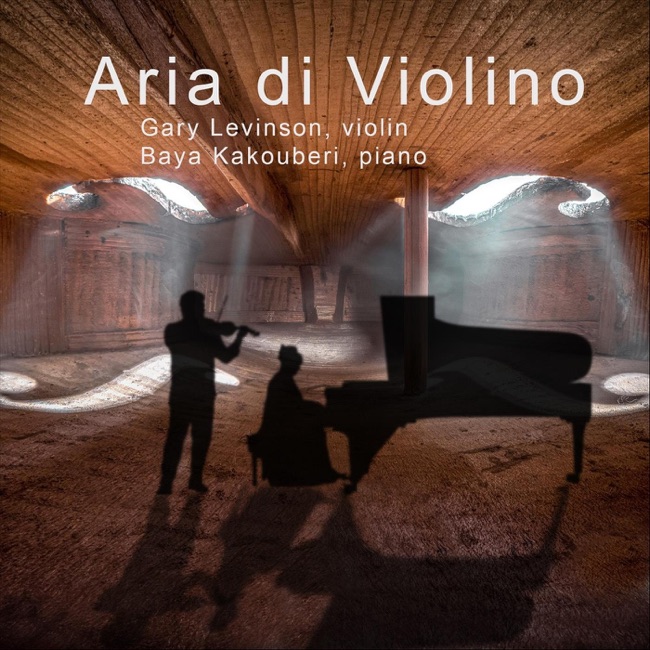 October 1, 2023
 -
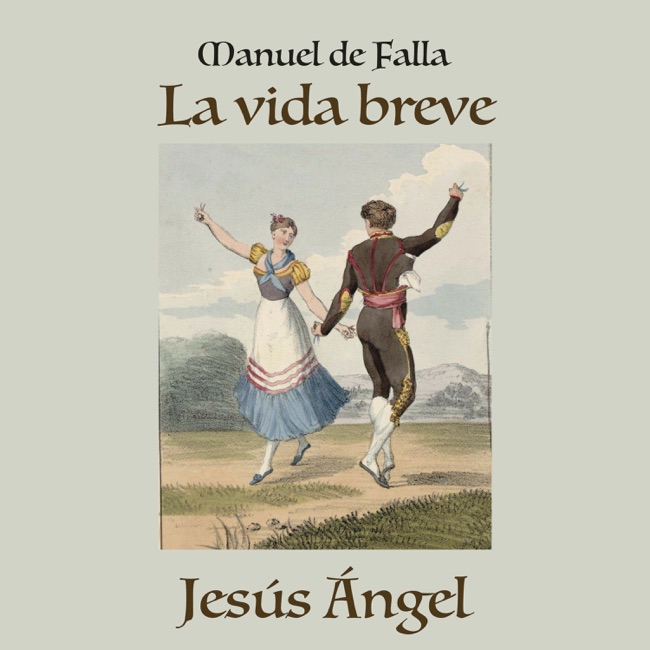 August 18, 2023
Artist Info
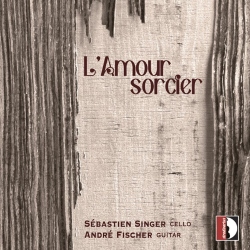
Role:Composer ConductorCountry: SpainBirth:November 23, 1876 in Cádiz, SpainDeath:November 14, 1946 in Alta Gracia, Córdoba, ArgentinaPeriod:ContemporaryModernGenre:BalletKeyboardOrchestralVocalManuel de Falla was a Spanish composer who is widely regarded as one of the most important figures in the development of classical music in Spain during the early 20th century. Born on November 23, 1876, in Cadiz, Spain, Falla was the son of a wealthy family who encouraged his musical interests from a young age. Falla began his musical studies at the age of nine, studying piano with his mother and later with Antonio Romero. He also studied harmony and composition with local teachers, including Joaquín Rodrigo. In 1896, he moved to Madrid to continue his studies at the Royal Conservatory of Music, where he studied with Felipe Pedrell, a leading authority on Spanish folk music. Pedrell's influence on Falla was profound, and he became deeply interested in the traditional music of Spain. He began to incorporate elements of Spanish folk music into his compositions, which would become a defining characteristic of his work. Falla's early compositions were heavily influenced by the music of Richard Wagner and Claude Debussy, but he soon developed his own unique style. His first major work, the opera La vida breve, premiered in 1905 and was well-received. The opera was based on a story by the Spanish writer Carlos Fernández Shaw and featured a score that incorporated elements of Spanish folk music. In 1907, Falla moved to Paris, where he continued to study and compose. He became friends with other leading composers of the time, including Maurice Ravel and Igor Stravinsky. While in Paris, he composed several works that would become some of his most famous, including the ballet El amor brujo and the piano suite Noches en los jardines de España. El amor brujo, which premiered in 1915, was a groundbreaking work that combined elements of Spanish folk music with modernist techniques. The ballet tells the story of a young woman who is haunted by the ghost of her former lover and features a score that includes traditional Spanish melodies and rhythms. Noches en los jardines de España, which premiered in 1916, is a three-movement work for piano and orchestra that evokes the atmosphere of the gardens of the Alhambra in Granada. The work features lush harmonies and intricate rhythms that reflect Falla's deep understanding of Spanish music. In 1914, Falla returned to Spain and settled in Granada, where he lived for the rest of his life. He continued to compose and became increasingly interested in the music of Andalusia, the region of Spain where Granada is located. He began to incorporate elements of Andalusian music into his compositions, which gave his work an even more distinctively Spanish flavor. One of Falla's most famous works from this period is the ballet El sombrero de tres picos (The Three-Cornered Hat), which premiered in 1919. The ballet tells the story of a miller who is pursued by a corrupt magistrate and features a score that incorporates traditional Andalusian melodies and rhythms. Falla's later works were more introspective and reflective, and he became increasingly interested in the music of the Renaissance and Baroque periods. He composed several works for chamber ensemble, including the Harpsichord Concerto and the String Quartet, which reflect his interest in earlier music. Falla's health began to decline in the 1930s, and he suffered a heart attack in 1939. He died on November 14, 1946, in Alta Gracia, Argentina, where he had gone to recover his health.More....
Recent Artist Music

Works Highlight
Recommend Playlist













Related Artists
Copyright Ⓒ 2013 Davinci Finger. All rights reseved
Service Terms & Policy