


Carlos Chávez
Released Album
Symphony
-
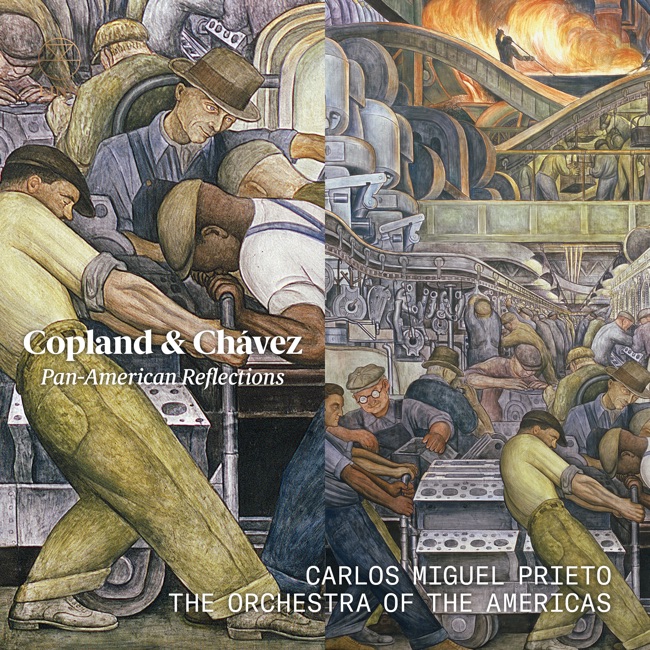 June 14, 2019
 -
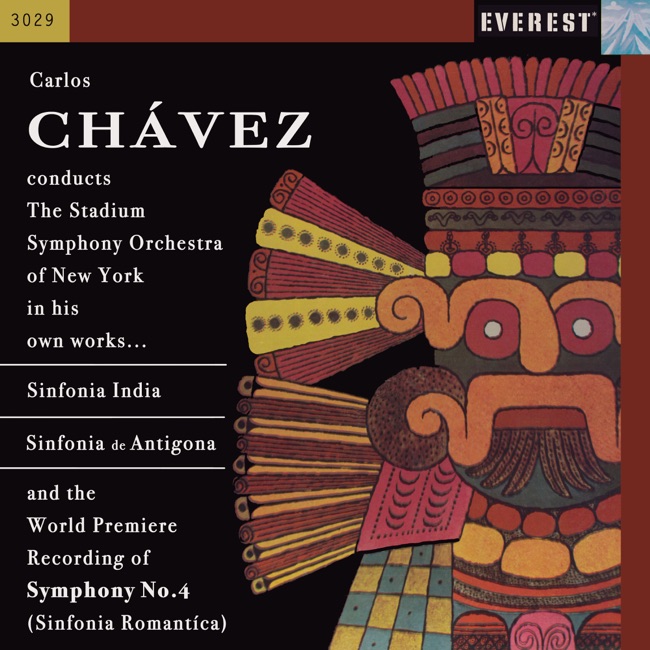
-
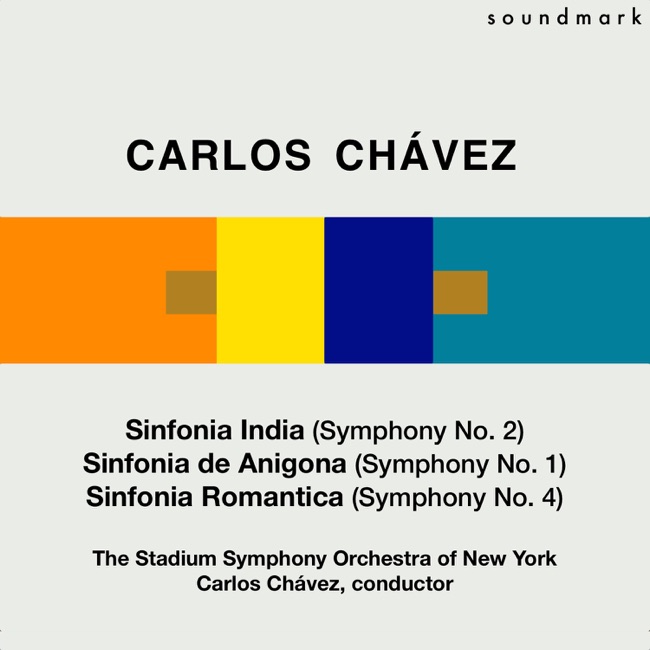
-
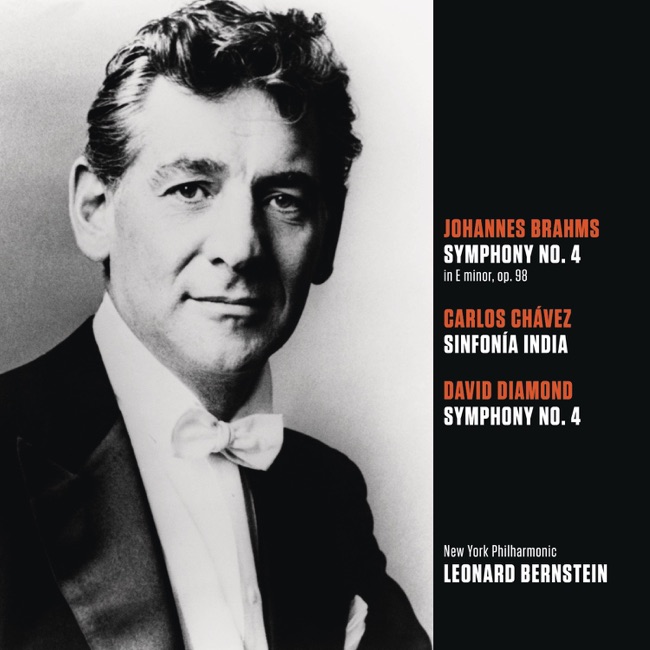
-
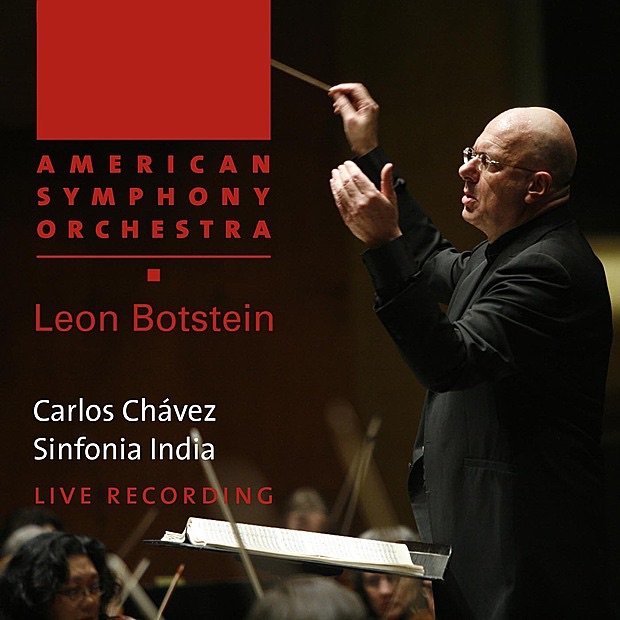 December 1, 2010
 -
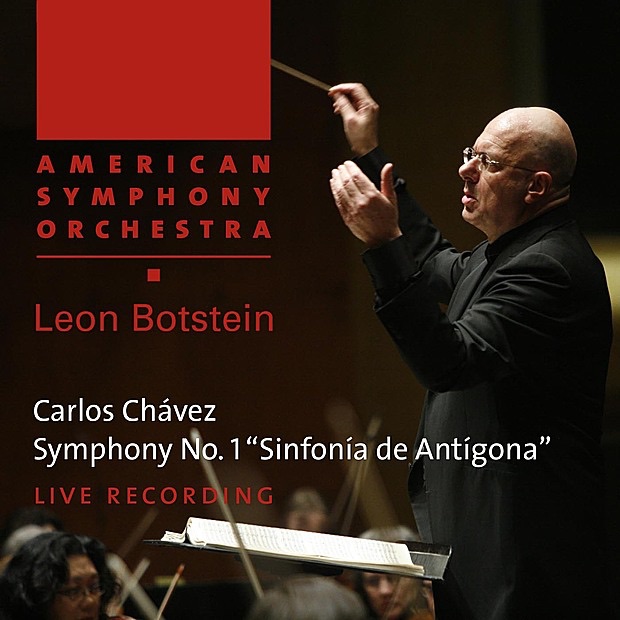 July 23, 2010
Chamber
-
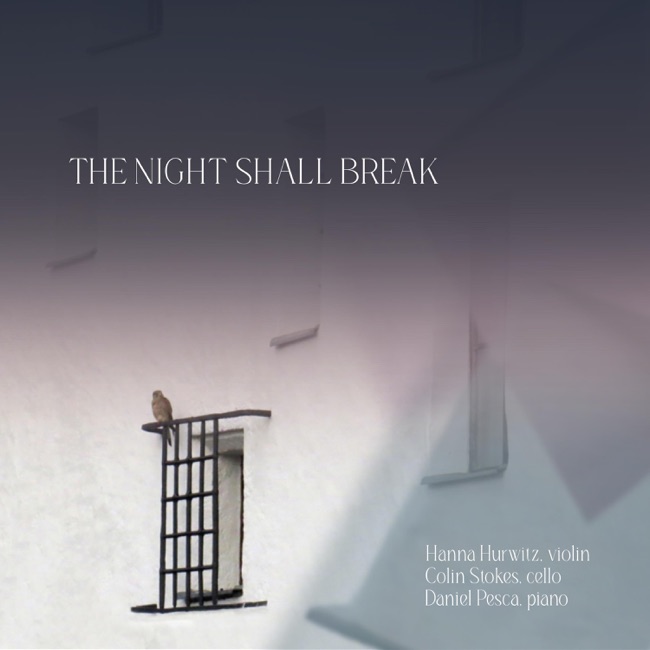 January 31, 2024
 -
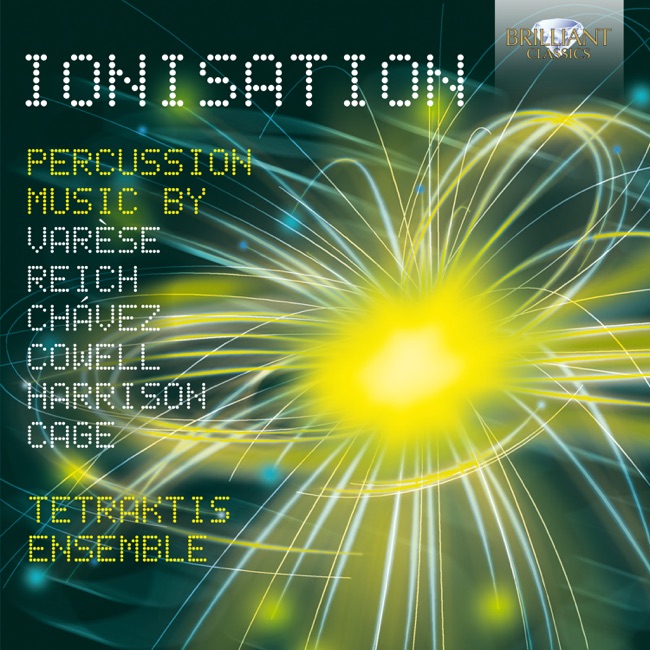 July 21, 2017
 -
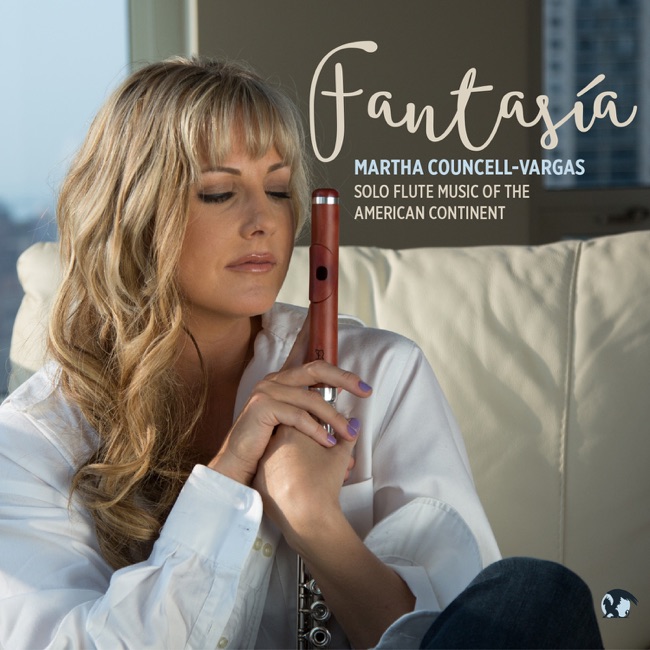 September 8, 2015
 -
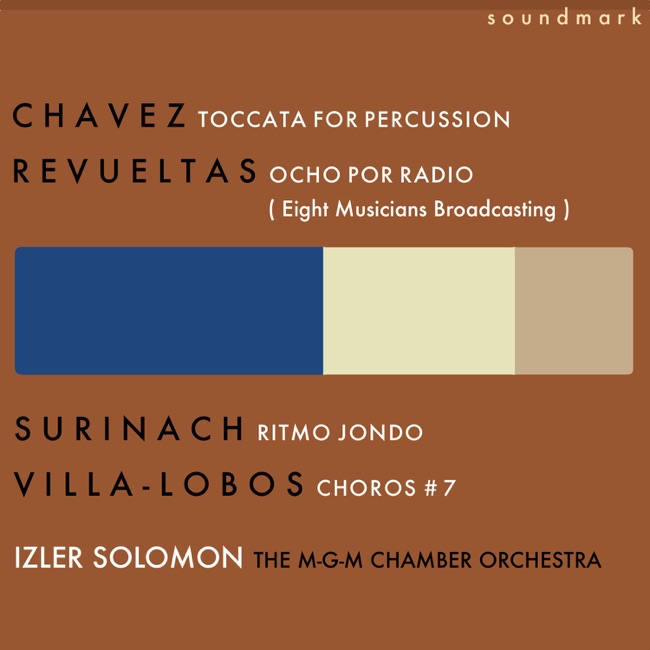
-
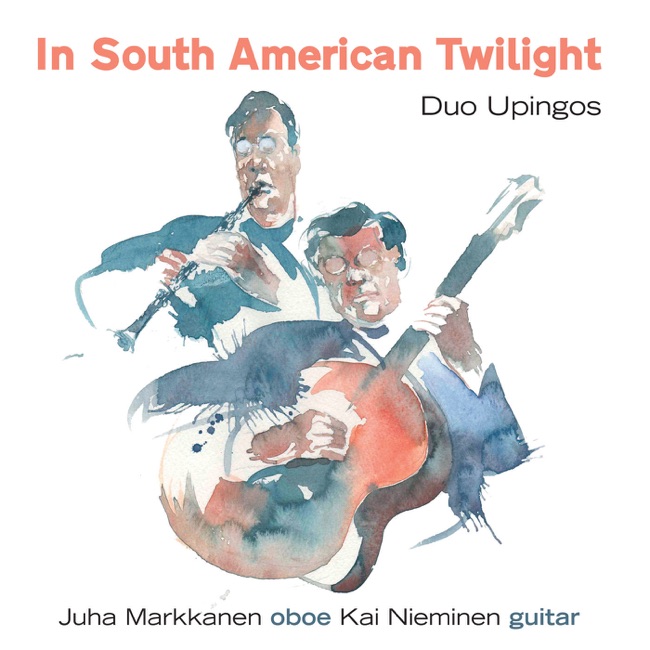 April 12, 2011
 -
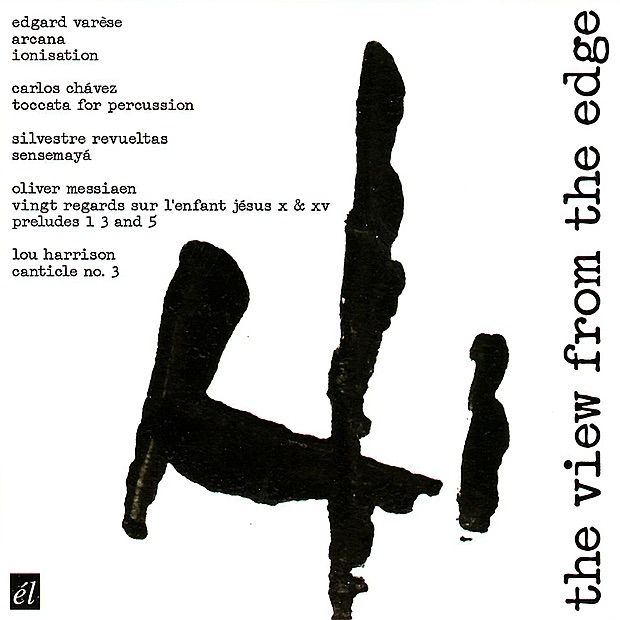 May 18, 2009
Orchestral
-
 April 6, 2018
 -
 April 1, 2018
 -
 November 24, 2015
 -
 February 1, 2011
 -
-
Keyboard
-
 March 23, 1999
 -
 April 9, 1996
Artist Info
Role:Composer ConductorCountry: MexicoBirth:June 13, 1899 in Mexico City, MexicoDeath:August 2, 1978 in Mexico City, MexicoPeriod:ModernGenre:ChamberOrchestralSymphonyCarlos Chávez was a Mexican composer, conductor, and music educator who is widely regarded as one of the most important figures in 20th-century classical music. Born on June 13, 1899, in Mexico City, Chávez was the son of a journalist and a pianist. He grew up in a musical family and began studying piano and violin at a young age. Chávez's early musical education was influenced by his exposure to Mexican folk music and the European classical tradition. He studied composition with Julián Carrillo, a Mexican composer who was known for his experiments with microtonal music. Chávez also studied with the French composer Edgar Varèse, who introduced him to the avant-garde music of the time. In 1922, Chávez founded the Mexican Symphony Orchestra, which he conducted for many years. He also served as the director of the National Conservatory of Music in Mexico City from 1928 to 1934. During this time, he worked to promote Mexican music and culture, and he became a leading figure in the Mexican nationalist movement. Chávez's music is characterized by its use of Mexican folk music and rhythms, as well as its incorporation of modernist techniques. His early works, such as the Suite for Double Quartet (1925) and the Symphony No. 1 (1929), show the influence of Stravinsky and other European composers. However, his later works, such as the Sinfonía india (1935) and the Sinfonía de Antígona (1933), incorporate Mexican folk music and indigenous rhythms. One of Chávez's most famous works is the ballet score H.P. (1937), which was commissioned by the choreographer Léonide Massine for the Ballets Russes. The score incorporates Mexican folk music and rhythms, as well as modernist techniques such as polytonality and irregular meters. The ballet was a critical and popular success, and it helped to establish Chávez's reputation as a leading composer of the time. Chávez's later works include the Symphony No. 2 (1949), which incorporates elements of Mexican folk music and indigenous rhythms, and the Piano Concerto (1940), which features a virtuosic solo part and a complex orchestral score. He also wrote a number of chamber works, including the String Quartet No. 3 (1931) and the Trio for Flute, Viola, and Harp (1943). In addition to his work as a composer, Chávez was also a respected conductor and music educator. He conducted many of his own works with the Mexican Symphony Orchestra, as well as works by other composers. He also taught at the National Conservatory of Music and the National Autonomous University of Mexico, where he influenced a generation of Mexican composers. Chávez's contributions to Mexican music and culture were recognized with many honors and awards during his lifetime. He was awarded the National Prize for Arts and Sciences in the Fine Arts in 1949, and he was named a UNESCO Artist for Peace in 1954. He also served as the director of the Pan American Union's music division from 1958 to 1962. Carlos Chávez died on August 2, 1978, in Mexico City. His legacy as a composer, conductor, and music educator continues to be celebrated in Mexico and around the world. His music remains an important part of the Mexican classical music tradition, and his influence can be heard in the works of many contemporary Mexican composers.More....
Recent Artist Music
9
7:28

15
11:10

Related Artists
Copyright Ⓒ 2013 Davinci Finger. All rights reseved
Service Terms & Policy