


Clemens Krauss
Released Album
Opera
-
 August 25, 2023
 -
 January 11, 2022
 -
-
 October 21, 2021
 -
 September 24, 2021
 -
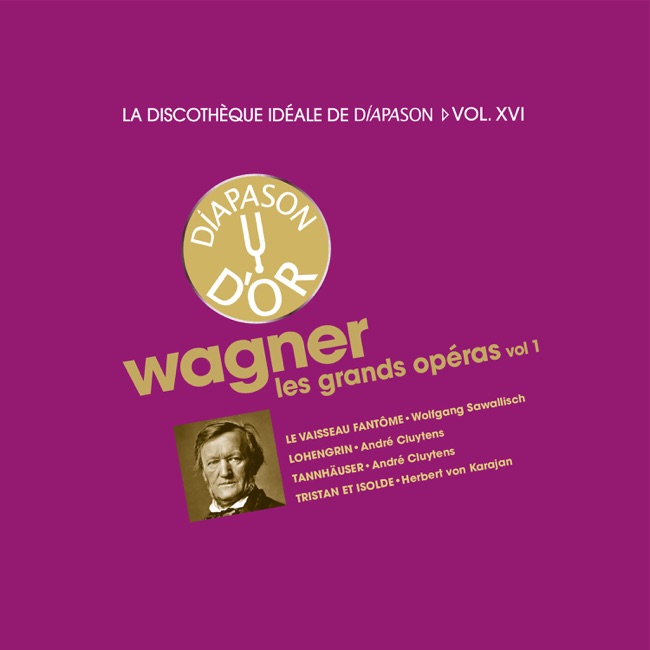 September 4, 2019
Orchestral
-
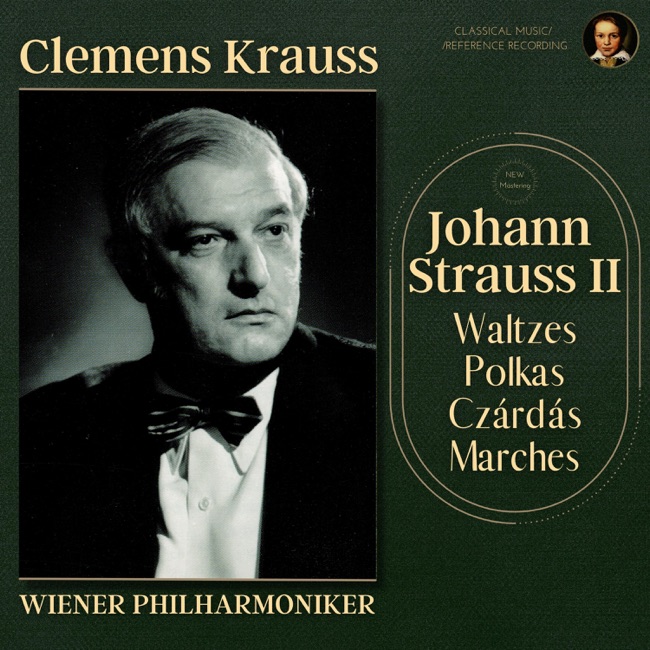 December 21, 2021
 -
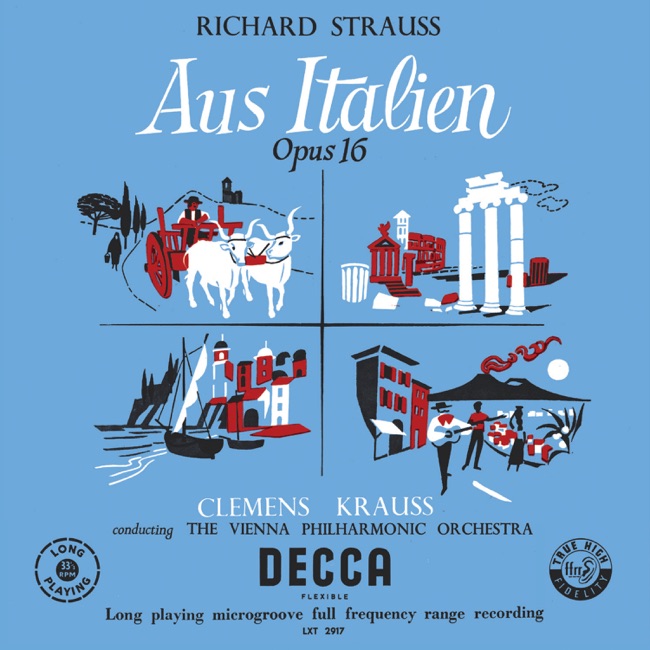
-

-
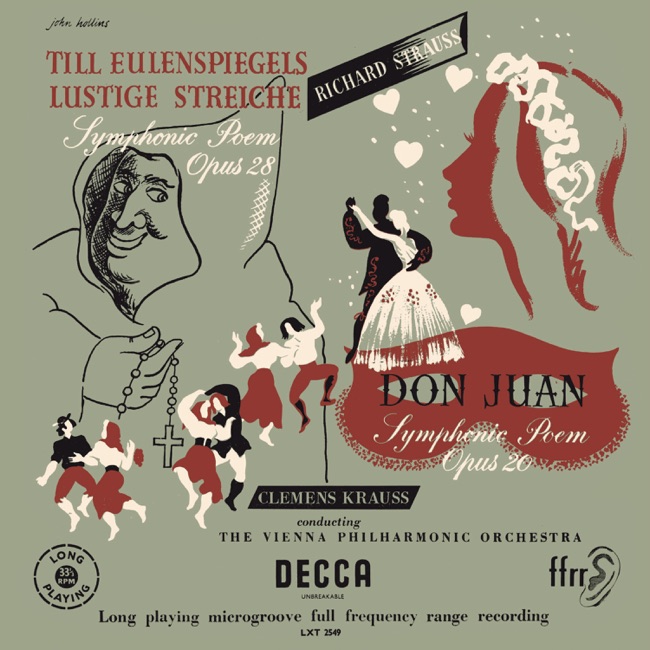
-
 November 19, 2021
 -
Choral
-
 October 24, 2006
 -
 November 25, 2003
 -
Concerto
-
-
 August 11, 2009
 -
 June 30, 2009
 -
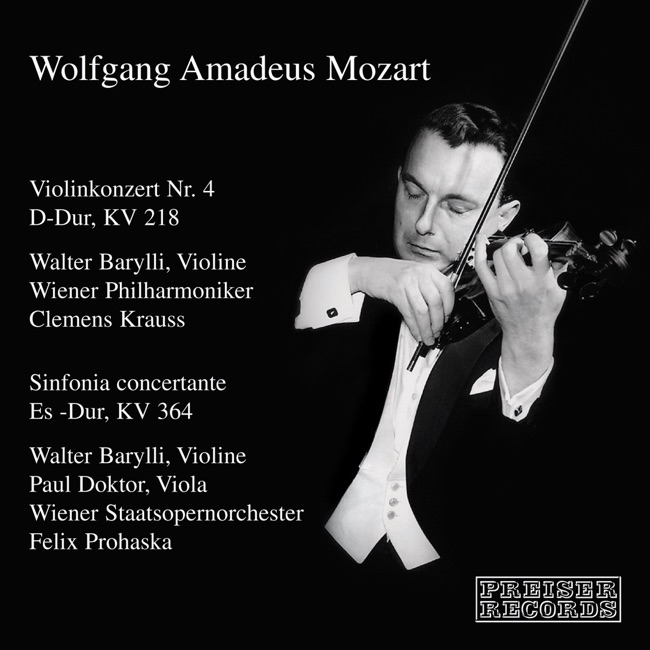 April 21, 2009
 -
 January 1, 1953
 -
 January 1, 1952
Artist Info
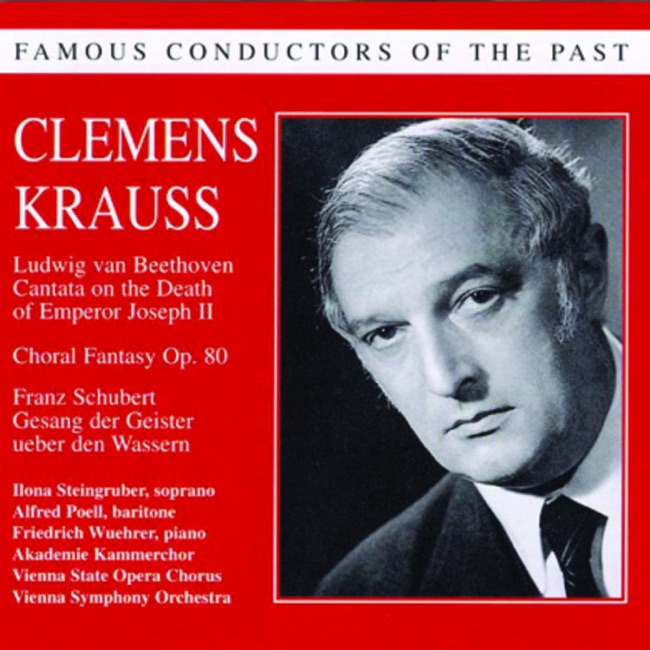
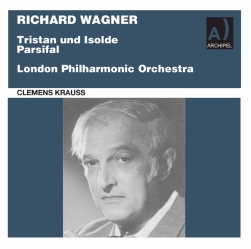
Role:Composer ConductorCountry: AustriaBirth:March 31, 1893 in Vienna, AustriaDeath:May 16, 1954 in Mexico City, MexicoGenre:OperaOrchestralClemens Krauss was a renowned Austrian conductor and composer who made significant contributions to the world of classical music during the 20th century. He was born on March 31, 1893, in Vienna, Austria, to a family of musicians. His father, Clement Krauss, was a well-known composer and conductor, and his mother, Josephine, was a singer. Krauss showed an early interest in music and began studying piano and composition at a young age. He later studied conducting with Felix Weingartner and Hans Richter, two of the most prominent conductors of the time. Krauss made his conducting debut in 1913 at the age of 20, leading a performance of Mozart's "The Marriage of Figaro" at the Vienna Volksoper. In 1922, Krauss became the conductor of the Frankfurt Opera, where he gained a reputation for his innovative interpretations of Wagner's operas. He also conducted the premiere of Richard Strauss's "Intermezzo" in 1924, which was a great success. Krauss continued to conduct at the Frankfurt Opera until 1929 when he was appointed the conductor of the Vienna State Opera. Krauss's tenure at the Vienna State Opera was marked by numerous successes, including his acclaimed performances of Mozart's operas. He also conducted the premiere of Strauss's "Arabella" in 1933, which was another triumph. Krauss's reputation as a conductor continued to grow, and he was soon invited to conduct at some of the world's most prestigious opera houses, including the Metropolitan Opera in New York and the Royal Opera House in London. During World War II, Krauss's career was temporarily interrupted when he was drafted into the German army. However, he was able to continue conducting during the war, and he even conducted a performance of Beethoven's Ninth Symphony in Berlin in 1942, which was attended by high-ranking Nazi officials. After the war, Krauss's reputation was tarnished by his association with the Nazi regime, and he was temporarily banned from conducting in Germany and Austria. However, he was able to resume his career in 1947 when he was appointed the conductor of the Vienna Philharmonic Orchestra. Krauss's tenure with the Vienna Philharmonic was marked by numerous successes, including his acclaimed performances of Mozart's symphonies and Beethoven's Ninth Symphony. He also conducted the premiere of Strauss's "Four Last Songs" in 1950, which was a great success. Krauss continued to conduct until his death on May 16, 1954, in Mexico City, where he was conducting a performance of "Tristan und Isolde" at the Palacio de Bellas Artes. He was 61 years old. Throughout his career, Krauss received numerous awards and honors for his contributions to classical music. He was awarded the Grand Cross of the Order of Merit of the Federal Republic of Germany in 1953, and he was posthumously awarded the Austrian Cross of Honor for Science and Art in 1955. Krauss's legacy as a conductor and composer continues to be celebrated today, and his recordings of Mozart's operas and symphonies are still considered some of the best ever made. Despite his association with the Nazi regime, Krauss's contributions to classical music cannot be denied, and he remains an important figure in the history of classical music.More....
Recent Artist Music

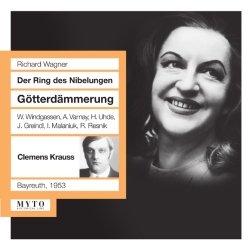
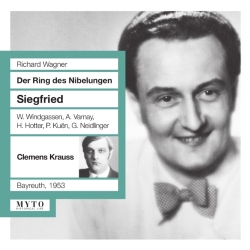
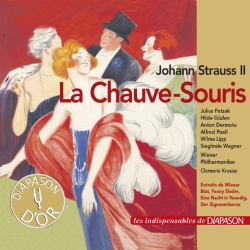
8
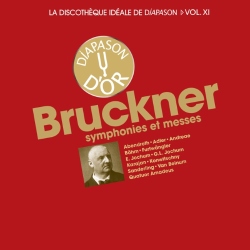
Symphony No. 4 in E flat "Romantic", WAB 104
III. Scherzo. Bewegt - Trio. Nicht zu schnell, keinesfalls schleppend
8:58
10
8:55
11
14:7
Recommend Playlist




Related Artists
Copyright Ⓒ 2013 Davinci Finger. All rights reseved
Service Terms & Policy