


Weser-Renaissance
Released Album
Choral
-
 January 6, 2023
 -
 October 21, 2022
 -
 January 7, 2022
 -
 October 15, 2021
 -
 August 13, 2021
 -
 July 3, 2020
Vocal
-
 October 15, 2021
 -
 June 8, 2018
 -

-
-
 May 17, 2013
 -
 July 29, 2008
Miscellaneous
-
 June 10, 1997
 -
 July 9, 1996
 -
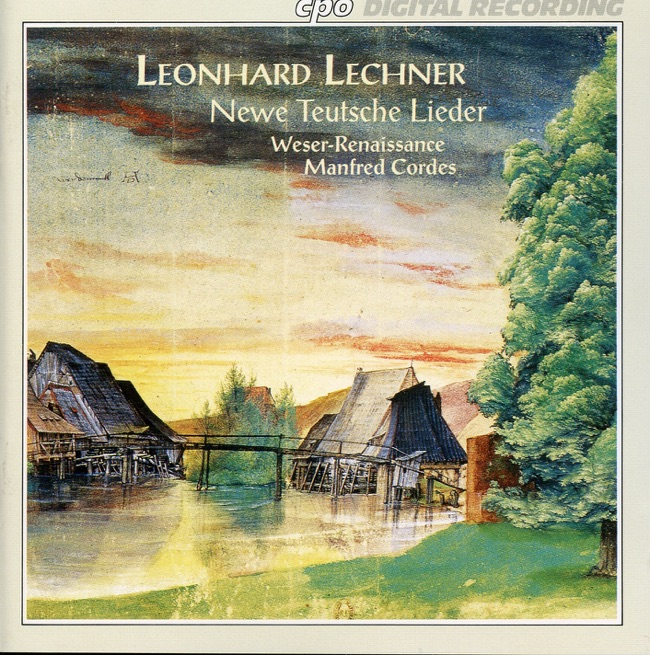 April 23, 1996
Chamber
-
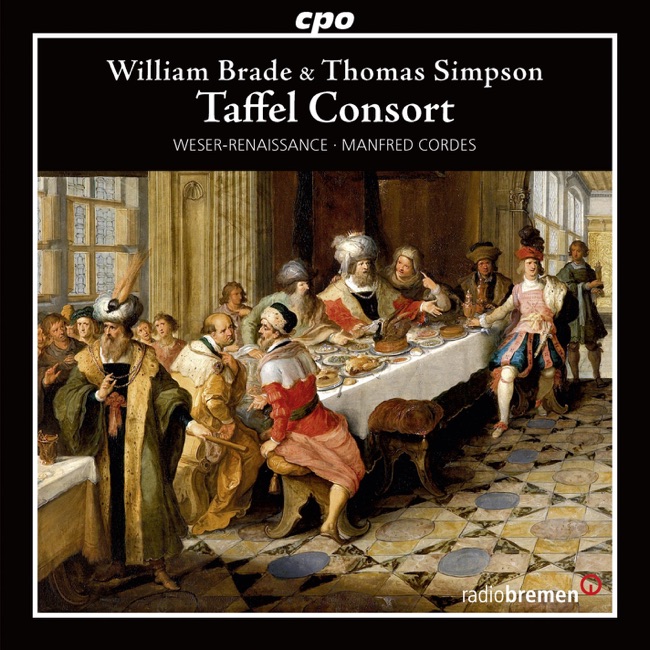 September 24, 2013
Artist Info
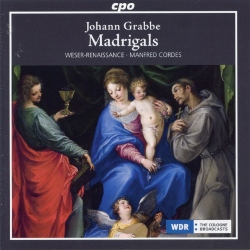
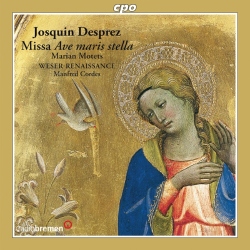
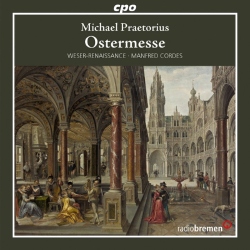
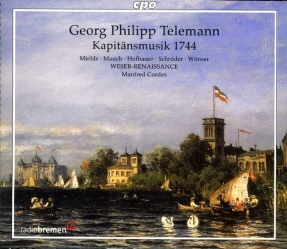
Country: GermanyPeriod:RenaissanceBaroqueGenre:ChoralWeser-Renaissance is a renowned classical music ensemble that specializes in performing music from the Renaissance and Baroque periods. The ensemble was founded in 1983 by Manfred Cordes, a German conductor and musicologist, with the aim of exploring and promoting the rich musical heritage of the Weser region in Germany. The ensemble's name, Weser-Renaissance, is derived from the Weser River, which flows through the region and was an important trade route during the Renaissance period. The ensemble's repertoire includes music from the 16th and 17th centuries, with a particular focus on the works of composers from the Weser region, such as Heinrich Schütz, Johann Hermann Schein, and Michael Praetorius. Weser-Renaissance is made up of a core group of musicians, including singers and instrumentalists, who are all highly skilled in performing early music. The ensemble's members come from various countries, including Germany, the Netherlands, and the United Kingdom, and bring a wealth of experience and expertise to their performances. Over the years, Weser-Renaissance has performed at numerous prestigious venues and festivals around the world, including the Salzburg Festival, the Edinburgh International Festival, and the Berlin Philharmonic. The ensemble has also collaborated with many renowned conductors and soloists, such as Ton Koopman, Emma Kirkby, and Andreas Scholl. One of the highlights of Weser-Renaissance's career was their performance of Heinrich Schütz's "Musikalische Exequien" at the Salzburg Festival in 1995. The piece, which was composed in the 17th century for a funeral service, is considered one of Schütz's masterpieces and is rarely performed in its entirety. Weser-Renaissance's performance was highly acclaimed and received a standing ovation from the audience. Another notable performance by Weser-Renaissance was their rendition of Michael Praetorius's "Terpsichore" at the Edinburgh International Festival in 2000. "Terpsichore" is a collection of dance music from the 16th century and is one of Praetorius's most famous works. Weser-Renaissance's performance was praised for its energy and vitality, and the ensemble received a standing ovation from the audience. Weser-Renaissance has also received numerous awards and accolades for their performances and recordings. In 1996, the ensemble was awarded the Echo Klassik award for their recording of Heinrich Schütz's "Symphoniae Sacrae III." The Echo Klassik is one of the most prestigious awards in the classical music industry and is awarded annually to outstanding recordings and performances. In addition to their performances and recordings, Weser-Renaissance is also committed to promoting early music through education and outreach programs. The ensemble regularly conducts workshops and masterclasses for young musicians and has collaborated with schools and universities to introduce students to the music of the Renaissance and Baroque periods. In conclusion, Weser-Renaissance is a highly respected and acclaimed classical music ensemble that has made significant contributions to the performance and promotion of early music. The ensemble's dedication to exploring and promoting the musical heritage of the Weser region, as well as their commitment to education and outreach, has made them a valuable and important part of the classical music community.More....
Recent Artist Music
1
12:21
3
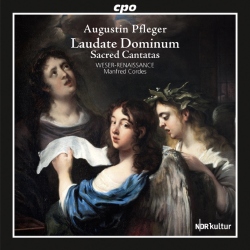
Cum complerentur this Pentecostes
Cum complerentur dies Pentecostes (Konzert auf den 1. Pfingsttag)
5:22

12
1:21
13

10:25
14
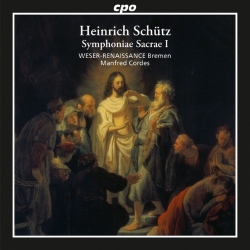
Symphoniae Sacrae, SWV 257-276 (Op. 6)
Fili mi, Absalon für Bass, vier Posaunen und Continuo
5:37
15

16:36
Copyright Ⓒ 2013 Davinci Finger. All rights reseved
Service Terms & Policy