William Brade
Paduana & Galliard
Released Album
Recent Album


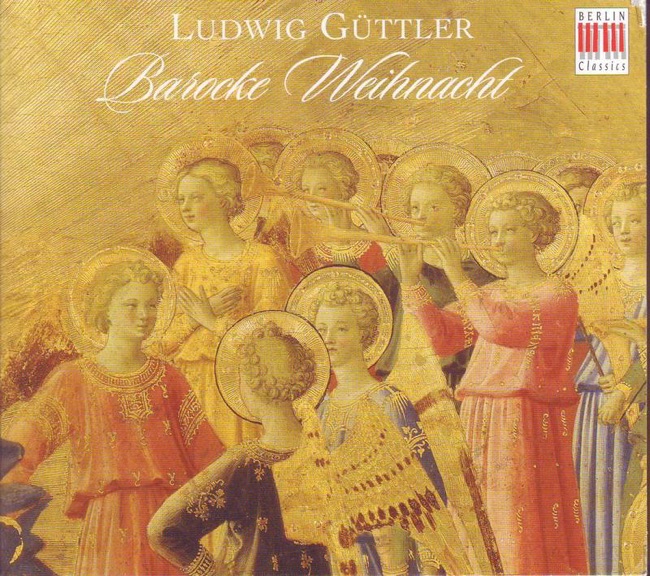
Featured Album

Works Info
Composer:William BradeGenre:ChamberStyle:GalliardAverage_duration:8:24William Brade was an English composer and violinist who lived during the Renaissance period. He is known for his instrumental music, particularly his dance music. One of his most famous works is the "Paduana & Galliard," a set of two dances that were popular during the 16th and 17th centuries. The "Paduana & Galliard" was composed in the early 17th century, around 1614. It was first performed in England, where Brade was living at the time. The piece consists of two movements: the Paduana and the Galliard. The Paduana is a slow, stately dance that originated in Italy. It is characterized by its mournful melody and its use of dotted rhythms. The Galliard, on the other hand, is a fast, lively dance that originated in France. It is characterized by its quick tempo and its use of syncopated rhythms. The "Paduana & Galliard" is a prime example of Brade's skill as a composer of dance music. The piece is notable for its use of counterpoint, which is the technique of combining two or more melodies to create a harmonious whole. Brade uses counterpoint to great effect in the "Paduana & Galliard," creating a rich, complex texture that is both pleasing to the ear and satisfying to the mind. Another characteristic of the "Paduana & Galliard" is its use of ornamentation. Ornamentation is the practice of adding decorative flourishes to a melody to make it more interesting and expressive. Brade uses ornamentation extensively in the "Paduana & Galliard," adding trills, turns, and other embellishments to the melodies to create a sense of excitement and energy. Overall, the "Paduana & Galliard" is a masterful work of dance music that showcases Brade's skill as a composer and his understanding of the musical styles of his time. Its popularity has endured for centuries, and it remains a beloved piece of music to this day.More....