


William Brade
Released Album
Chamber
-
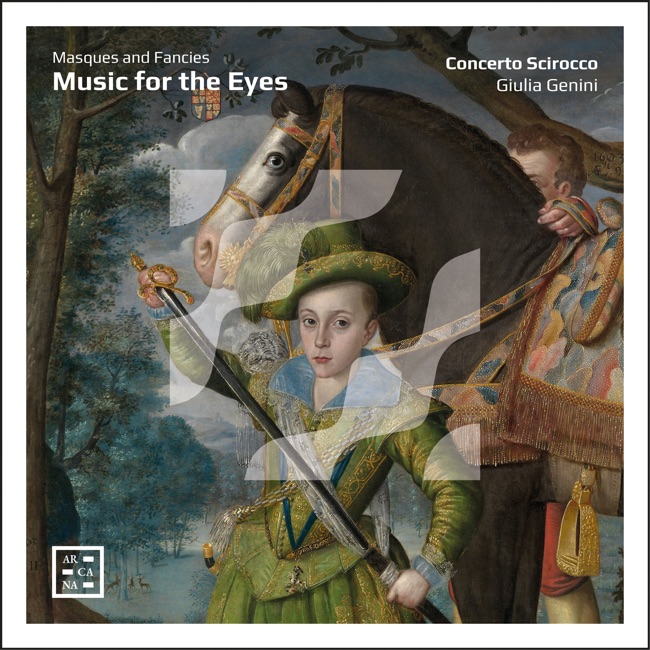 March 11, 2022
 -
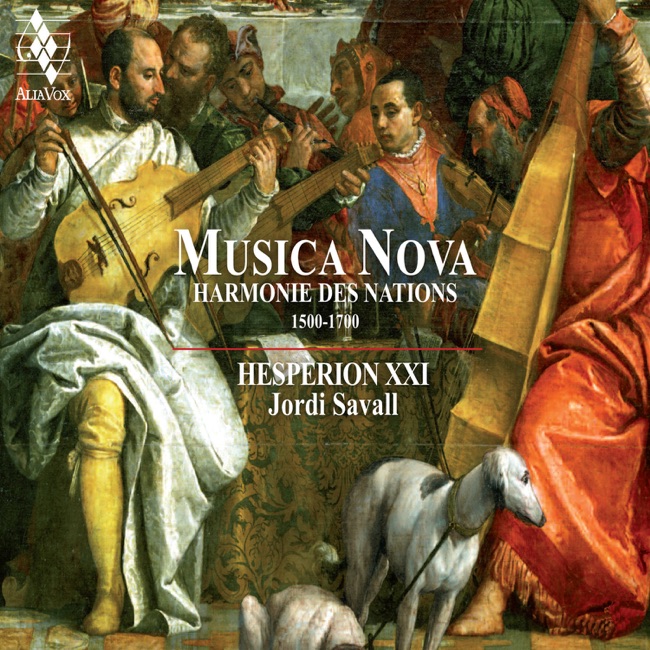 April 27, 2018
 -
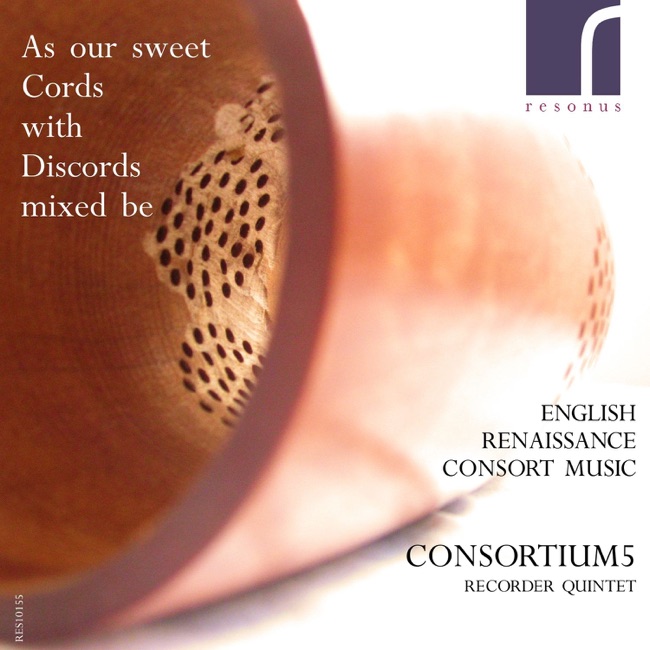
-
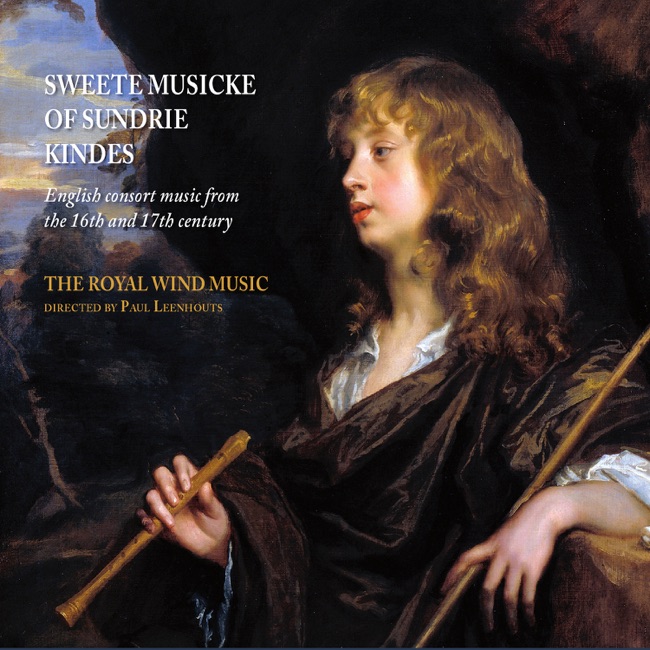 January 13, 2015
 -
 May 27, 2014
 -
 September 24, 2013
Miscellaneous
-
 June 20, 1995
Artist Info
Role:ComposerCountry: United KingdomBirth:1560Death:February 26, 1630Period:RenaissanceGenre:ChamberWilliam Brade was a prominent composer of the late Renaissance and early Baroque periods. He was born in England in 1560, but spent most of his life in Germany, where he became one of the most important composers of his time. Brade's early life is not well-documented, but it is known that he was a skilled musician from a young age. He likely received his early musical training in England, but by the early 1580s he had moved to Germany, where he began working as a musician in the court of the Duke of Brunswick-Wolfenbüttel. In 1588, Brade was appointed the court's Kapellmeister, a position he held for the next 30 years. During this time, he composed a large number of works for the court, including instrumental music, vocal music, and music for the theater. Brade's music was highly regarded during his lifetime, and he was known for his skillful use of counterpoint and his ability to blend different musical styles. His music was influenced by both English and German traditions, and he was particularly known for his use of dance rhythms in his instrumental works. One of Brade's most famous works is his collection of dances, "Newe ausserlesene Paduanen, Galliarden, Couranten und Volten" (New Selected Pavans, Galliards, Courantes, and Voltes), which was published in 1607. This collection includes over 100 dances, many of which were popular throughout Europe during the 17th century. Brade's instrumental music was particularly influential, and he is often credited with helping to establish the sonata as a major form of instrumental music. His sonatas were typically written for a small group of instruments, such as violins, viols, and lutes, and they often featured complex counterpoint and intricate rhythms. In addition to his instrumental music, Brade also composed a number of vocal works, including madrigals and motets. His vocal music was known for its expressive melodies and its use of chromaticism, which was a relatively new technique at the time. Brade's music was highly regarded during his lifetime, and he was widely recognized as one of the most important composers of his time. His influence can be seen in the works of many later composers, including Johann Sebastian Bach and George Frideric Handel. Despite his importance as a composer, Brade's life remains somewhat mysterious. Very little is known about his personal life, and there are few surviving documents that shed light on his personality or his relationships with others. Despite this lack of information, Brade's music remains an important part of the classical music canon, and his works continue to be performed and studied by musicians and scholars around the world. His legacy as a composer and innovator in the field of instrumental music is secure, and his influence on the development of classical music is undeniable.More....
Recent Artist Music







Copyright Ⓒ 2013 Davinci Finger. All rights reseved
Service Terms & Policy