


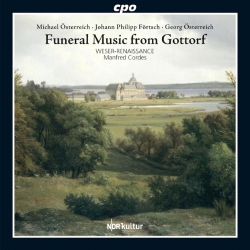
Johann Philipp Förtsch
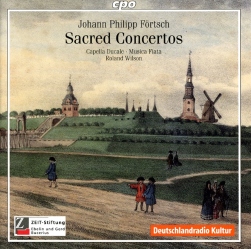
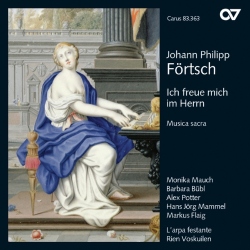
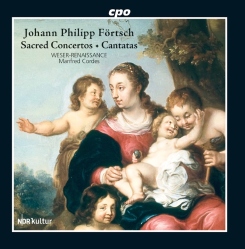
Released Album
Vocal
Choral
-
 June 10, 2014
 -
 November 16, 2010
 -
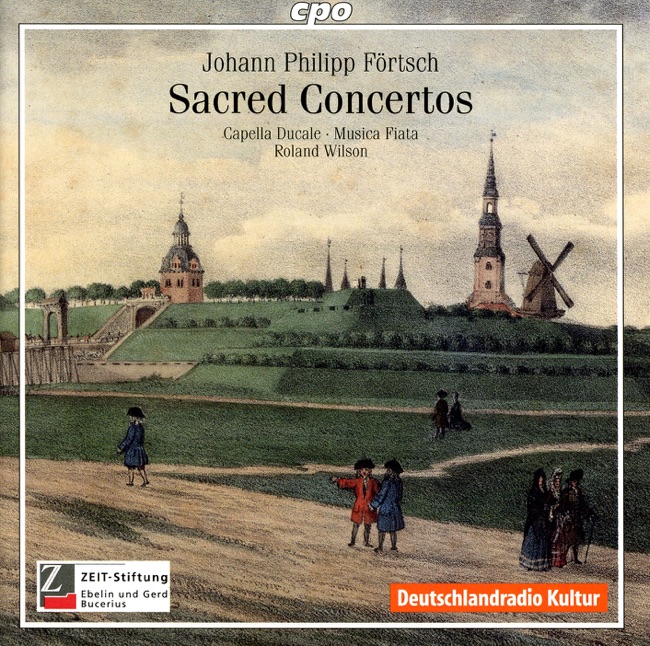 February 10, 2009
Artist Info
Role:ComposerCountry: GermanyBirth:May 14, 1652Death:December 14, 1732Period:BaroqueGenre:ChamberOperaVocalJohann Philipp Förtsch was a German composer and musician who lived during the Baroque period. He was born on January 2, 1652, in the town of Meiningen, which was then part of the Duchy of Saxe-Meiningen. His father, Johann Förtsch, was a musician and composer, and it is likely that he was the one who first introduced his son to music. Förtsch's musical education began at an early age, and he showed great talent as a composer and performer. He studied with several prominent musicians of the time, including Johann Pachelbel, who was one of the most important composers of the Baroque era. Pachelbel was a major influence on Förtsch's music, and his style can be heard in many of Förtsch's compositions. Förtsch's first known composition was a set of keyboard variations on a popular tune of the time, which he wrote when he was just 16 years old. This early work shows the influence of Pachelbel, with its use of intricate counterpoint and virtuosic keyboard writing. In 1672, Förtsch was appointed as the court organist in Meiningen, a position he held for the rest of his life. He also served as the director of music at the court, and was responsible for organizing and directing musical performances for the court and the town. Förtsch's output as a composer was prolific, and he wrote music in a variety of genres, including keyboard music, chamber music, and vocal music. His keyboard music is particularly noteworthy, and includes several sets of variations on popular tunes of the time, as well as suites and sonatas. One of Förtsch's most famous works is his Sonata in D major for trumpet and organ, which was written in 1695. This work is notable for its virtuosic trumpet writing, which was unusual for the time. The sonata is also notable for its use of the trumpet as a solo instrument, rather than as part of a larger ensemble. Förtsch's chamber music includes several sonatas for various instruments, including violin, cello, and flute. These works are characterized by their intricate counterpoint and virtuosic writing, and show the influence of Italian Baroque music. Förtsch's vocal music includes several cantatas and motets, which were written for use in the church. These works are notable for their use of elaborate vocal lines and intricate counterpoint, and show the influence of the music of J.S. Bach. Förtsch died on October 2, 1732, in Meiningen, at the age of 80. He left behind a legacy of music that is still admired and studied today. His music is notable for its intricate counterpoint, virtuosic writing, and use of popular tunes of the time. His Sonata in D major for trumpet and organ is still performed today, and is considered one of the most important works for trumpet from the Baroque era.More....
Recent Artist Music
1
8:17
5
5:37
6
10:25
8
16:36
Copyright Ⓒ 2013 Davinci Finger. All rights reseved
Service Terms & Policy