


Josquin Des Prez
Released Album
Choral
-
 August 30, 2024
 -
 April 12, 2024
 -
 March 16, 2024
 -
 November 28, 2023
 -
 November 3, 2023
 -
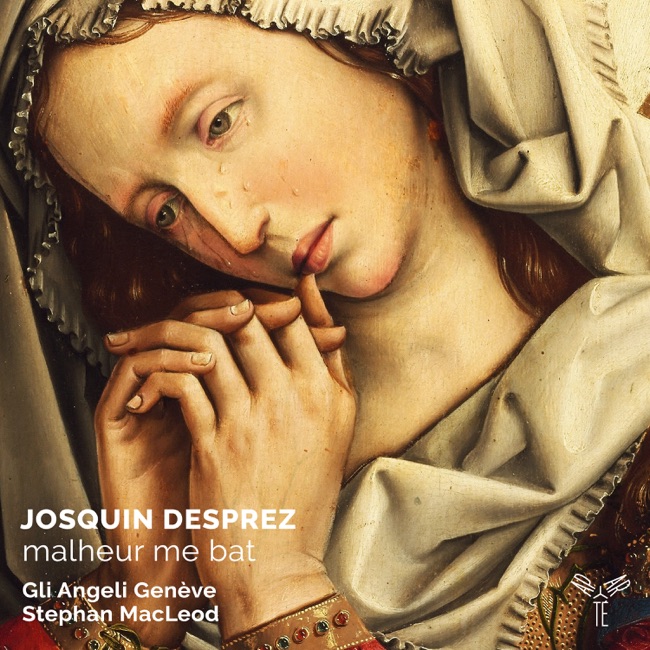 October 6, 2023
Chamber
-
 March 22, 2005
Vocal
-
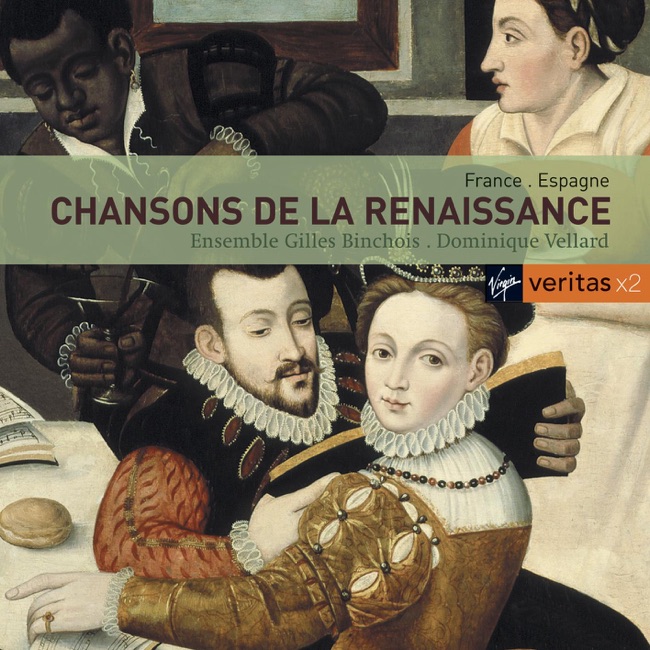 January 13, 2008
Artist Info
Role:ComposerCountry: FranceBirth:ca. 1455 in Hainaut, BelgiumDeath:August 27, 1521 in Condé-sur-l'EscautPeriod:RenaissanceJosquin Des Prez was a prominent composer of the Renaissance period, born in the town of Condé-sur-l'Escaut, in the region of Hainaut, in present-day Belgium, around the year 1450. Little is known about his early life, but it is believed that he received his musical education at the collegiate church of Saint-Quentin, in northern France, where he served as a choirboy. Josquin's talent as a composer and singer soon became evident, and he was appointed as a singer at the court of Duke Galeazzo Maria Sforza in Milan, Italy, in 1484. There, he worked alongside other prominent musicians of the time, such as Johannes Ockeghem and Antoine Busnois, and composed music for the Duke's chapel and court. In 1498, Josquin returned to France, where he served as a singer and composer for the royal chapel of King Louis XII. He also worked for other prominent patrons, such as the Duke of Ferrara and the Sforza family in Milan. Throughout his career, Josquin was highly regarded for his musical skill and creativity, and his works were widely performed and admired throughout Europe. Josquin's music is characterized by its intricate polyphony, or the use of multiple independent voices or melodies, which he used to create complex and harmonically rich compositions. He was also known for his use of imitation, or the repetition of a musical phrase or motif in different voices, which created a sense of unity and coherence in his works. One of Josquin's most famous works is his Missa Pange Lingua, a setting of the Latin Mass text that was composed around 1515. The Mass is notable for its use of a cantus firmus, or a pre-existing melody that is used as the basis for the composition. In this case, Josquin used the hymn "Pange Lingua" as the cantus firmus, which he incorporated into each movement of the Mass in different ways. Another notable work by Josquin is his motet Ave Maria, which was composed around 1485. The motet is a setting of the text of the Hail Mary prayer, and is notable for its use of a canon, or a musical device in which one voice imitates another at a fixed interval. The motet is also notable for its use of word painting, or the musical depiction of the meaning of the text, such as the use of descending melodies to represent the words "descendit" and "et incarnatus est" (he descended and was made flesh). Josquin's music was highly influential in his time and beyond, and he was regarded as one of the greatest composers of the Renaissance period. His works were widely performed and admired throughout Europe, and his style and techniques influenced many other composers of the time, such as Giovanni Pierluigi da Palestrina and Orlando di Lasso. Josquin died in 1521, and his legacy as a composer and musician continues to be celebrated and studied to this day. His works remain an important part of the classical music canon, and his contributions to the development of polyphony and other musical techniques continue to inspire and influence musicians and composers around the world.More....
Recent Artist Music
1

2:35
5
Nymphs of the woods/Requiem aeternam/Deploration of the Death of Jehan Ockeghem
Introitus Requiem eternam for the Mass of the Dead (Sung as the 'cantus prius factus' of Nymphes des bois)
2:24
15
5:13
Works Highlight
Recommend Playlist
















Related Artists
Copyright Ⓒ 2013 Davinci Finger. All rights reseved
Service Terms & Policy