


Pierre de la Rue
Released Album
Choral
-
-
 April 13, 2018
 -
 August 25, 2017
 -
 May 1, 2017
 -
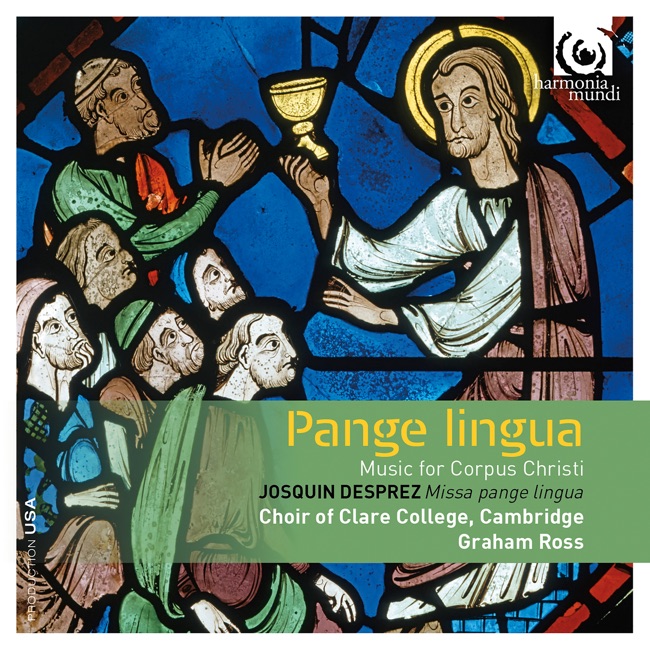 March 31, 2017
 -
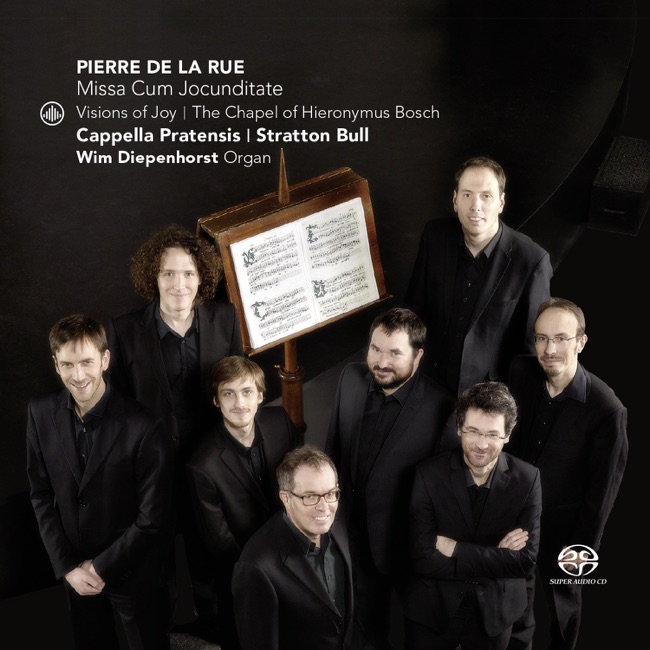
Vocal
-
 September 20, 2019
 -
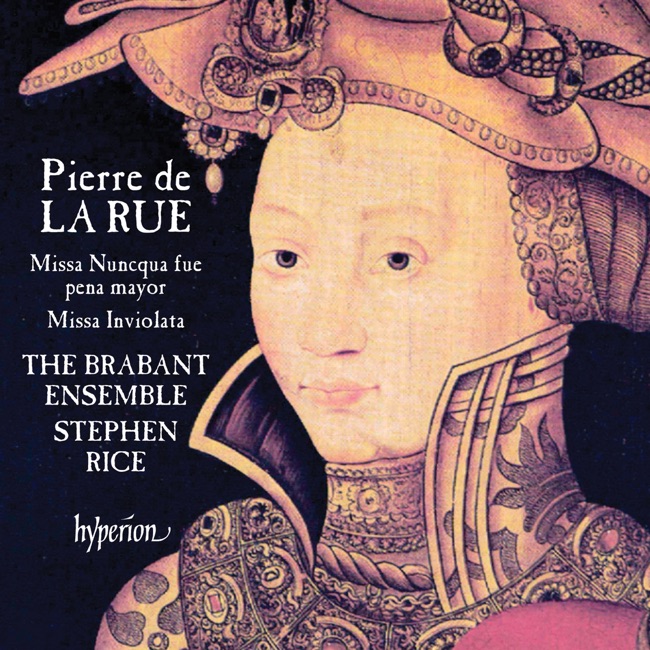 September 2, 2016
 -
 May 1, 2010
 -
 January 13, 2008
 -
-
 June 10, 2003
Artist Info
Role:Composer PerformerCountry: FranceBirth:1452 in Tournai, FranceDeath:November 20, 1518 in Kortrijk, BelgiumPeriod:RenaissanceGenre:ChoralVocalPierre de la Rue was a prominent composer of the Renaissance era, born in Tournai, Belgium in 1452. He was the son of a carpenter and grew up in a musical family, with his father and grandfather both being musicians. Pierre began his musical education as a choirboy at the Tournai Cathedral, where he received training in singing and music theory. In 1472, Pierre left Tournai and traveled to Italy, where he spent several years studying music and working as a singer and composer for various churches and courts. He was particularly influenced by the music of Josquin des Prez, who was also working in Italy at the time. Pierre's early works show the influence of Josquin's style, with their complex polyphony and use of imitation. In 1483, Pierre returned to Tournai and was appointed as a singer and composer at the court of Philip the Good, Duke of Burgundy. He remained in this position for the rest of his life, and his music became closely associated with the Burgundian court. Pierre was highly regarded as a composer during his lifetime, and his works were widely performed and admired throughout Europe. Pierre's music is characterized by its rich harmonies, expressive melodies, and intricate polyphony. He wrote in a variety of genres, including masses, motets, chansons, and instrumental music. His works often feature complex counterpoint and use of chromaticism, which was unusual for the time. One of Pierre's most famous works is his Missa de Sancto Job, a mass based on the story of Job from the Old Testament. The mass is notable for its use of chromaticism and its expressive, almost operatic style. Another famous work is his motet Absalon, fili mi, which was written in memory of the Duke of Burgundy's son, who died in battle. The motet is a poignant expression of grief, with its mournful melodies and rich harmonies. Pierre also wrote a number of chansons, which were popular secular songs of the time. His chansons are notable for their lively rhythms and catchy melodies, and they often feature playful or bawdy lyrics. One of his most famous chansons is La Rueca, which tells the story of a woman spinning wool and flirting with a young man. In addition to his vocal music, Pierre also wrote instrumental music, including a number of pieces for the lute and other plucked string instruments. His instrumental works are characterized by their intricate counterpoint and use of ornamentation. Pierre de la Rue was a highly respected composer during his lifetime, and his music continued to be performed and admired long after his death. His works were influential in the development of Renaissance music, and his use of chromaticism and expressive melodies foreshadowed the music of the Baroque era. Today, Pierre de la Rue is remembered as one of the great composers of the Renaissance, and his music continues to be performed and studied by musicians and scholars around the world.More....
Recent Artist Music
3
3:30
10
3:4





Copyright Ⓒ 2013 Davinci Finger. All rights reseved
Service Terms & Policy