


Nicolas Gombert
Released Album
Choral
-
 October 13, 2023
 -
 February 18, 2022
 -
 May 8, 2020
 -
 February 1, 2019
 -
 December 1, 2017
 -
 September 11, 2015
Vocal
-
 September 9, 2022
 -
 July 31, 2015
 -
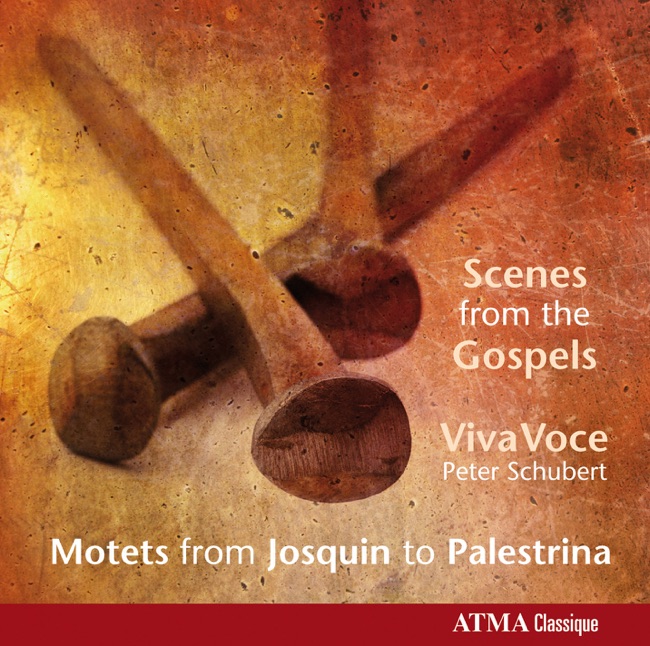 January 28, 2014
Chamber
-
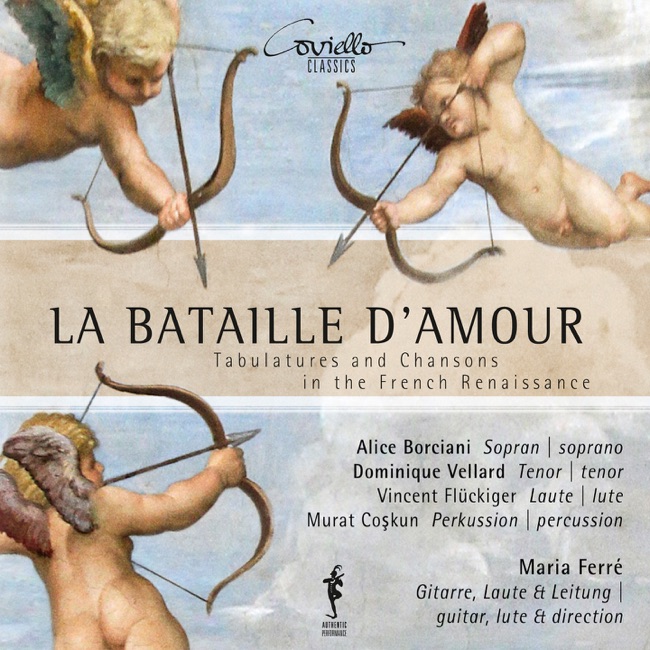 November 13, 2015
Artist Info
Role:ComposerCountry: NetherlandsBirth:ca. 1495 in Southern FlandersDeath:ca. 1560Period:RenaissanceGenre:ChoralVocalNicolas Gombert was a prominent composer of the Renaissance era, born in La Gorgue, France, around 1495. Not much is known about his early life, but it is believed that he received his musical education in Flanders, which was a hub of musical activity during the Renaissance. Gombert's career as a composer began in the early 16th century when he became a singer in the chapel of Emperor Charles V. He quickly rose through the ranks and eventually became the maestro di cappella, or music director, of the chapel. This was a prestigious position that allowed him to compose music for the emperor and his court. Gombert's music was highly regarded during his lifetime, and he was considered one of the most important composers of his time. His music was known for its complexity and sophistication, and he was particularly skilled at writing polyphonic music, which is music that features multiple independent voices or melodies. One of Gombert's most famous works is his Missa Tempore Paschali, which is a setting of the Catholic Mass for Easter. This piece is notable for its intricate polyphony and its use of canons, which are musical structures in which one voice imitates another at a fixed interval. The Missa Tempore Paschali is considered one of the finest examples of Renaissance polyphony and is still performed today. Another notable work by Gombert is his motet In illo tempore loquante Jesu, which is based on a passage from the Gospel of John. This piece is notable for its use of chromaticism, which is the use of notes outside of the traditional diatonic scale. This technique was relatively new at the time and was seen as a sign of musical innovation. Gombert's music was also known for its use of imitation, which is a technique in which one voice or melody imitates another. This technique was particularly effective in Gombert's music because it allowed him to create complex and intricate textures that were both beautiful and intellectually stimulating. Despite his success as a composer, Gombert's life was not without its challenges. In 1540, he was accused of homosexuality and was imprisoned for several months. It is unclear whether these accusations were true or whether they were politically motivated, but they had a significant impact on Gombert's career. After his release from prison, he left the imperial chapel and began working as a freelance composer. Gombert's later works are less well-known than his earlier ones, but they are still highly regarded by scholars and musicians. One notable work from this period is his motet Media vita in morte sumus, which is based on a medieval hymn. This piece is notable for its use of dissonance, which is the use of notes that clash with each other. This technique was controversial at the time but was seen as a sign of musical innovation. Gombert died in the mid-1550s, and his music fell out of favor in the centuries that followed. However, in the 20th century, there was a renewed interest in Renaissance music, and Gombert's music was rediscovered. Today, his music is performed and recorded by choirs and ensembles around the world, and he is recognized as one of the most important composers of the Renaissance era. In conclusion, Nicolas Gombert was a highly skilled and innovative composer who made significant contributions to the development of Renaissance music.More....
Recent Artist Music
1
4:33



10
Thousand Regres at 6
Mille regretz de vous abandonner [a6] (Selectissimae necnon familiarissimae cantiones (Augsburg, 1540))
4:17



Copyright Ⓒ 2013 Davinci Finger. All rights reseved
Service Terms & Policy