


Guillaume Dufay
Released Album
Choral
-
 April 18, 2024
 -
 December 22, 2021
 -
 June 11, 2021
 -
 February 12, 2021
 -
 October 11, 2019
 -
 August 1, 2019
Vocal
-
 November 11, 2022
 -
 November 12, 2021
 -
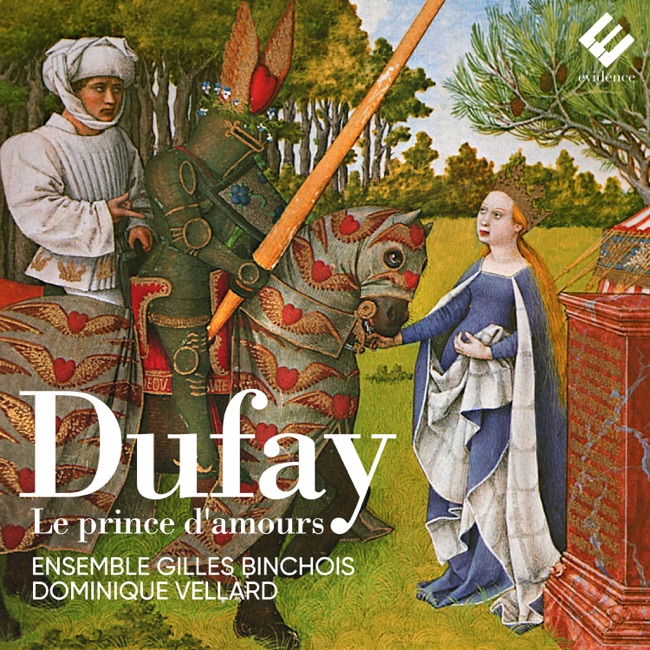 October 1, 2021
 -
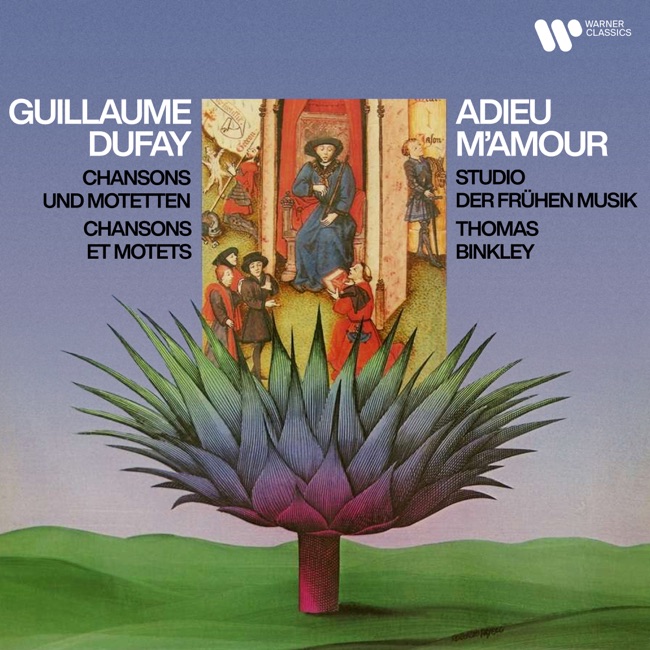 July 9, 2021
 -
 November 27, 2020
 -
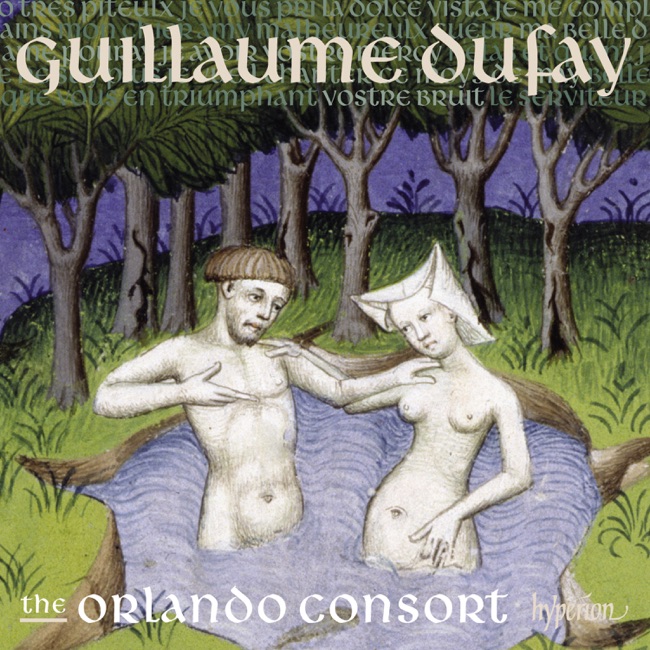 May 3, 2019
Miscellaneous
-
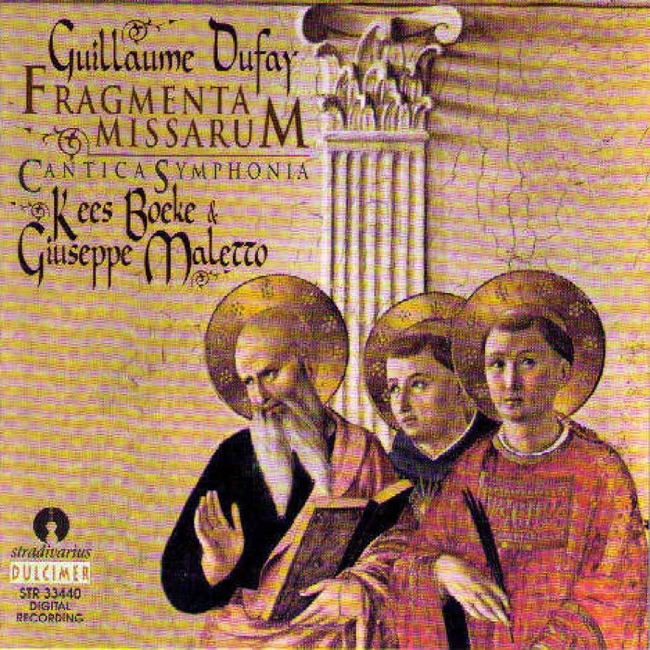 February 12, 2008
 -
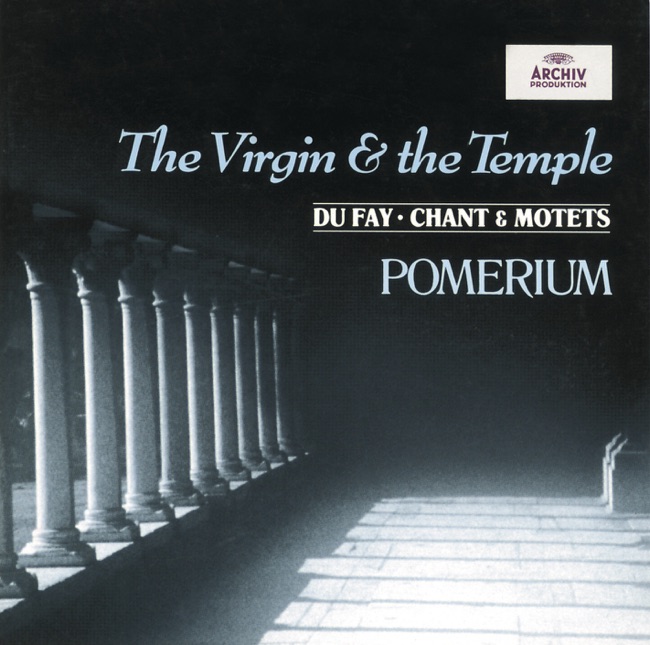 April 15, 1997
Artist Info
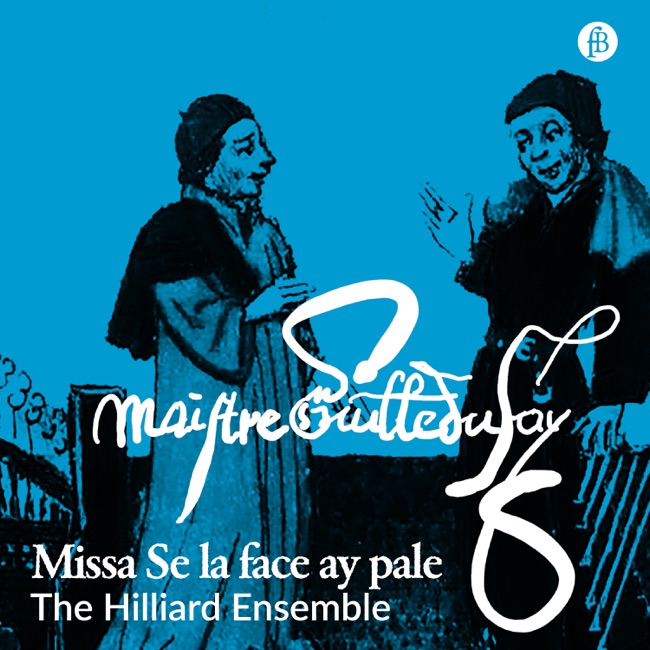
Role:ComposerCountry: FranceBirth:ca. 1400 in Bersel, BrabantDeath:November 27, 1474 in Cambrai, FrancePeriod:RenaissanceGenre:ChoralVocalGuillaume Dufay was a prominent composer of the early Renaissance period, born in the French-speaking region of Burgundy in 1397. He was the son of a wealthy family, and his father was a prominent member of the local government. Dufay's early musical education is not well-documented, but it is believed that he received training in the cathedral choir of Cambrai, where he likely learned the basics of music theory and composition. In the early 1420s, Dufay moved to Italy, where he spent much of his career working for various noble families and religious institutions. He was particularly active in the city of Florence, where he served as a singer and composer for the powerful Medici family. During this time, Dufay developed a reputation as one of the most innovative and influential composers of his time, and his music was widely admired throughout Europe. One of Dufay's most significant contributions to music was his development of the isorhythmic motet, a complex form of vocal music that combined intricate rhythmic patterns with rich harmonies and melodic lines. This style of music was particularly popular in the 15th century, and Dufay's isorhythmic motets were widely imitated by other composers of the time. Dufay's music was also notable for its use of complex polyphony, which involved multiple voices singing different melodies simultaneously. This technique allowed Dufay to create rich, layered textures that were both intricate and harmonically satisfying. Many of his works also featured elaborate canons and other forms of musical imitation, which added to the complexity and sophistication of his compositions. Some of Dufay's most famous works include his Missa Se la face ay pale, a mass setting that was based on a popular secular song of the time, and his Nuper rosarum flores, a motet that was written to celebrate the completion of the Florence Cathedral. Both of these works showcase Dufay's skill at combining complex polyphony with rich harmonies and melodic lines, and they remain popular with audiences and performers today. In addition to his work as a composer, Dufay was also a skilled singer and musician. He was known for his beautiful voice and his ability to play a variety of instruments, including the lute and the harp. He was also a respected music theorist, and his writings on music theory and composition were widely read and studied by other musicians of the time. Dufay's influence on music was significant, and his innovations in composition helped to pave the way for the development of the Renaissance style of music that would dominate European music for the next several centuries. His use of complex polyphony and isorhythmic techniques inspired many other composers of the time, and his music remains an important part of the classical music canon today.More....
Recent Artist Music

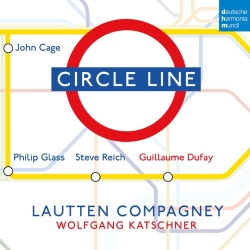
9
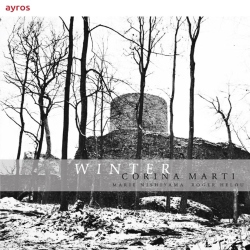
Gold wants me to lie Esperance
Portigaler (after Guillaume Du Fay Or me veult bien Esperance mentir)
4:1
Works Highlight
Recommend Playlist


Related Artists
Copyright Ⓒ 2013 Davinci Finger. All rights reseved
Service Terms & Policy