


David Munrow
Released Album
Concerto
-
 April 17, 2023
 -
 January 13, 2023
 -
 October 28, 2014
 -
 September 21, 2004
 -
 June 29, 2004
 -
 March 6, 2000
Choral
-
-
 April 7, 2023
 -
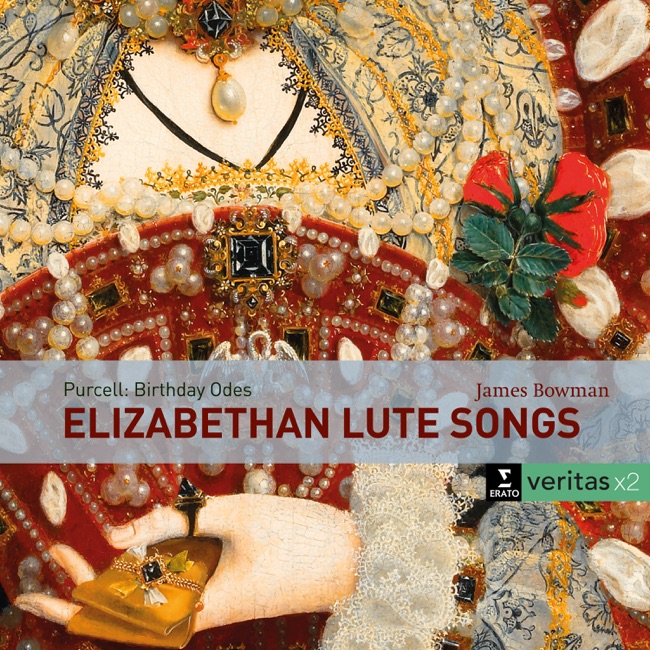 January 25, 2019
 -
 October 19, 2018
 -
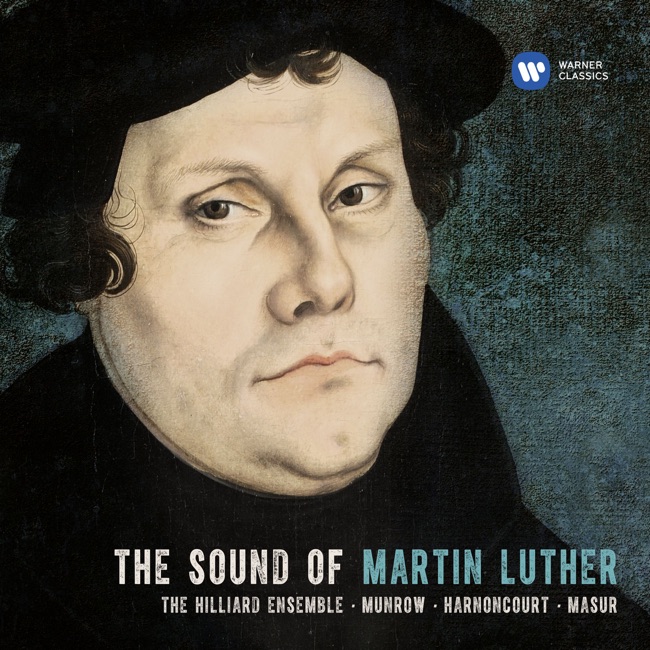 November 4, 2016
 -
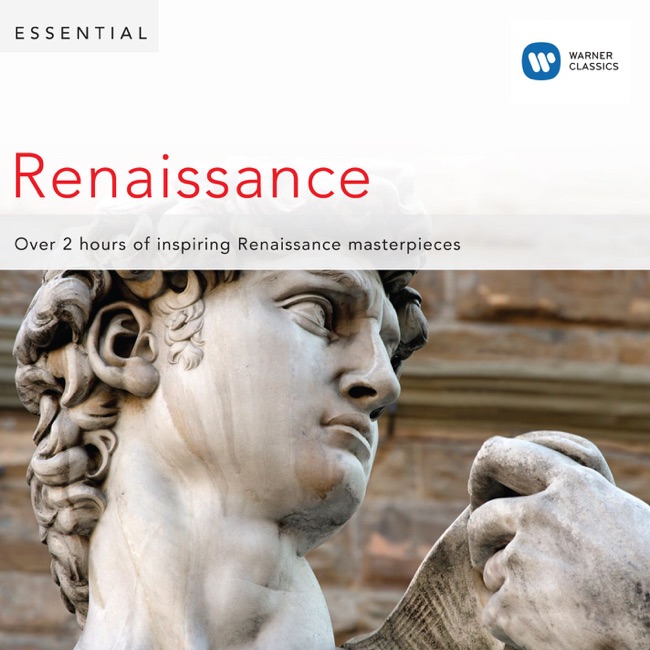 February 23, 2010
Vocal
-
 January 10, 2006
 -
 December 31, 2005
Artist Info
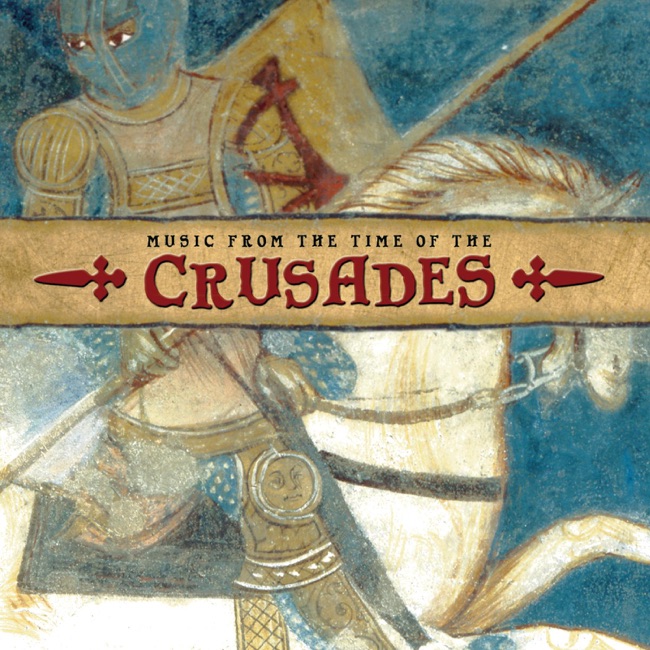
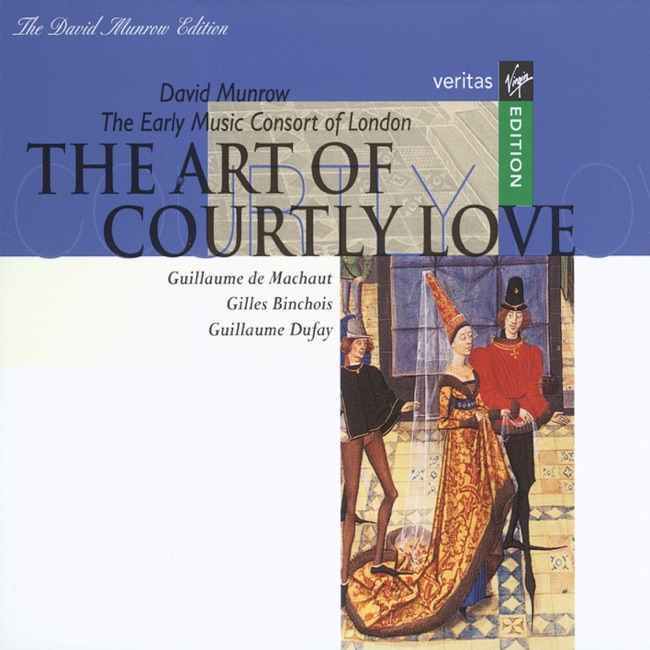
Role:Composer ConductorCountry: United KingdomBirth:August 12, 1942 in Birmingham, EnglandDeath:May 15, 1976 in Chesham Bois, EnglandPeriod:ContemporaryGenre:ChoralVocalDavid Munrow was a British musician and scholar who made significant contributions to the field of early music. He was born on August 12, 1942, in Birmingham, England, to parents who were both musicians. His father was a violinist, and his mother was a pianist. Munrow showed an early interest in music and began playing the recorder at the age of six. Munrow attended King Edward's School in Birmingham, where he excelled in music and was awarded a scholarship to study at Oxford University. He graduated with a degree in English literature in 1963 but continued to pursue his passion for music. He began playing the recorder professionally and became a member of the Early Music Consort of London, which was founded by the renowned conductor and musicologist, Sir John Eliot Gardiner. Munrow's talent as a musician and his passion for early music quickly became evident, and he soon became one of the leading figures in the field. He was known for his virtuosic playing on the recorder and other early instruments, as well as his ability to bring the music of the past to life for modern audiences. One of Munrow's most significant contributions to early music was his work as a scholar and researcher. He was deeply interested in the history and performance practices of early music and spent many years studying and researching the subject. He published several books on the subject, including "Instruments of the Middle Ages and Renaissance" and "The Early Music Book." Munrow's performances with the Early Music Consort of London were highly acclaimed, and he quickly became a sought-after performer and recording artist. He recorded over 50 albums during his career, many of which are still considered classics of the early music genre. Some of his most famous recordings include "Music of the Gothic Era," "Music of the Crusades," and "Music of the Renaissance." Munrow's performances were known for their energy and vitality, and he was often praised for his ability to bring the music of the past to life. He was also known for his innovative approach to early music, which included incorporating elements of modern music into his performances. In addition to his work as a performer and scholar, Munrow was also a broadcaster and presenter. He hosted several radio and television programs on early music, including "Pied Piper" and "The Art of Courtly Love." He was also a regular contributor to the BBC's "Music Magazine" and "The Listener." Despite his many accomplishments, Munrow's life was tragically cut short when he took his own life on May 15, 1976, at the age of 33. His death was a shock to the early music community, and many mourned the loss of such a talented and innovative musician. In the years since his death, Munrow's legacy has continued to grow. His recordings and performances are still widely admired, and his contributions to the field of early music are still recognized and celebrated. He is remembered as a musician who brought the music of the past to life for modern audiences and who helped to shape the early music movement into what it is today.More....
Recent Artist Music
2
2:21



9
5:14
10

3:47
11
7:36


Related Artists
Copyright Ⓒ 2013 Davinci Finger. All rights reseved
Service Terms & Policy