


Léonin
Released Album
Vocal
-
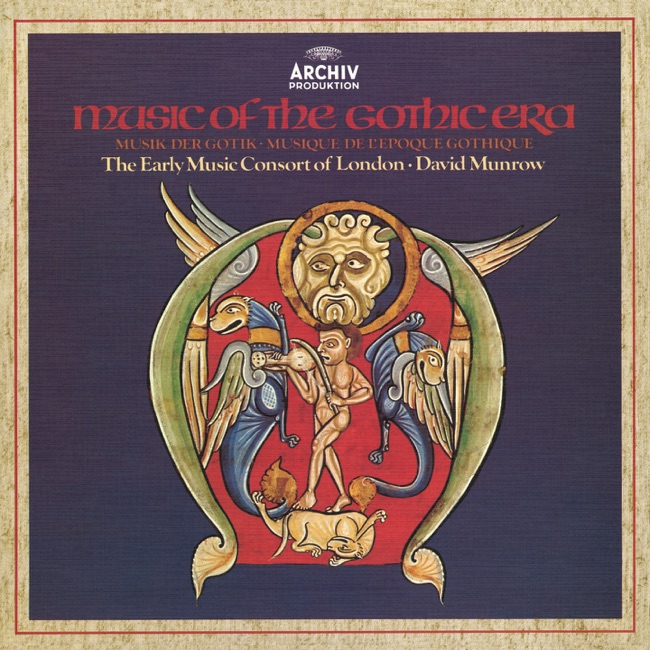 January 1, 2010
 -
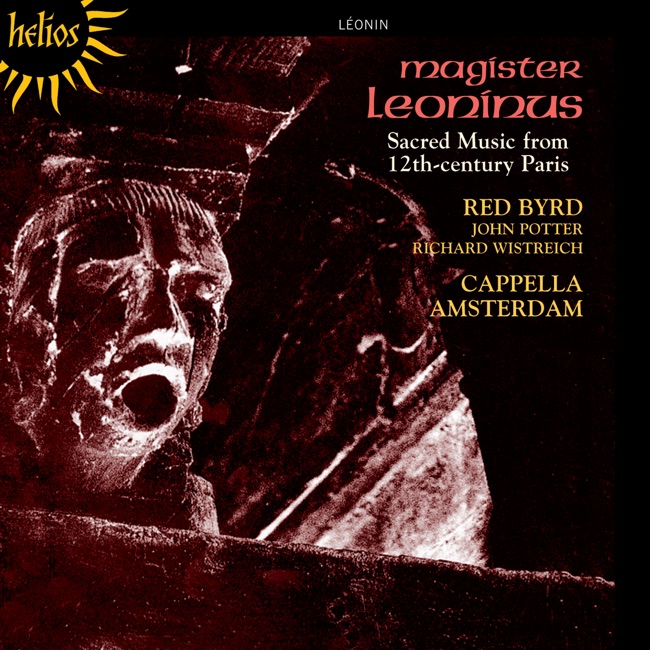 November 2, 2009
 -
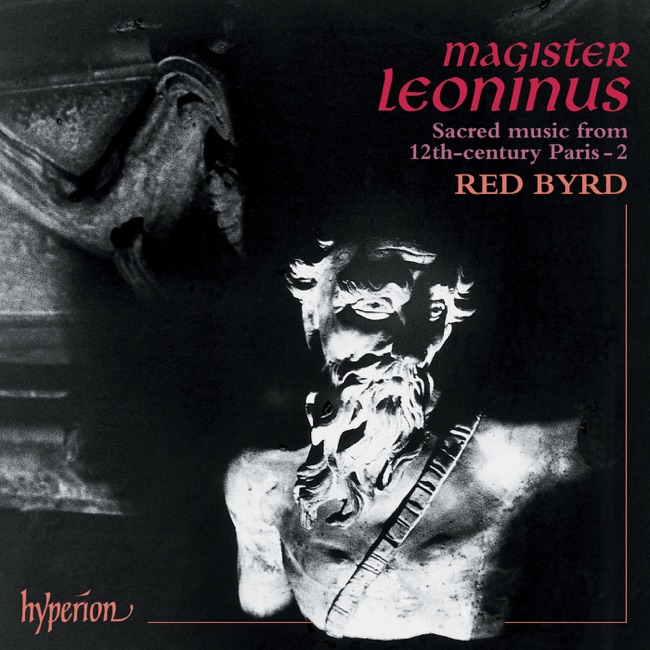 November 1, 2001
 -
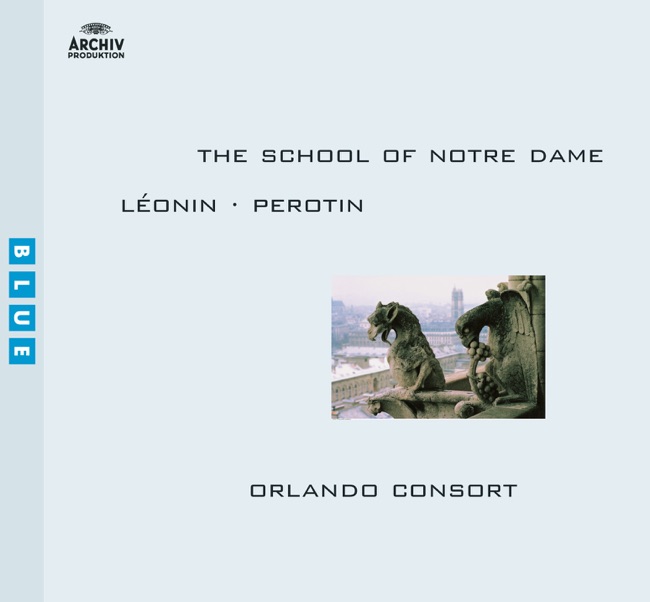 January 1, 1997
Choral
-
 March 13, 2007
Artist Info
Role:ComposerCountry: FranceBirth:ca. 1130 in Paris, FranceDeath:December 26, 1201 in Paris, FrancePeriod:MedievalGenre:VocalLéonin, also known as Leoninus, was a French composer of the late 12th century. He is considered one of the pioneers of polyphonic music, which is characterized by the use of multiple voices or parts. Léonin's contributions to the development of polyphony are significant, as he was one of the first composers to write music for multiple voices that was notated in a way that allowed for precise performance. Léonin was born in the late 12th century, although the exact date and place of his birth are unknown. He is believed to have been a member of the clergy, as he was associated with the Notre-Dame Cathedral in Paris, which was a center of musical activity at the time. Léonin was likely a member of the cathedral's choir, which was renowned for its musical excellence. Léonin's most significant contribution to music was his development of the organum, a type of polyphonic music that was popular in the Middle Ages. Organum involves the addition of one or more voices to a pre-existing melody, creating a complex and layered sound. Léonin's organum compositions were notable for their use of rhythmic complexity and intricate harmonies. Léonin's most famous work is the Magnus Liber Organi, also known as the Great Book of Organum. This collection of organum compositions was compiled by Léonin and his successor, Pérotin, and contains some of the earliest examples of polyphonic music. The Magnus Liber Organi was likely used in the Notre-Dame Cathedral, where Léonin and Pérotin worked as composers and musicians. One of the most famous pieces in the Magnus Liber Organi is the Viderunt Omnes, which is a Christmas gradual. The piece is notable for its use of complex rhythms and harmonies, as well as its use of multiple voices. The Viderunt Omnes is considered one of the most important works of medieval music, and it continues to be performed and studied today. Another notable work by Léonin is the Alleluia Nativitas, which is a Christmas alleluia. The piece is notable for its use of a solo voice, which is accompanied by a choir. The Alleluia Nativitas is considered one of the earliest examples of a solo voice being used in polyphonic music. Léonin's music was highly influential in the development of Western classical music. His use of polyphony and complex rhythms paved the way for later composers, such as Johann Sebastian Bach and Ludwig van Beethoven. Léonin's music also had a significant impact on the development of liturgical music, as his compositions were often used in religious services. Despite his significant contributions to music, little is known about Léonin's life outside of his work as a composer. It is believed that he lived and worked in Paris for most of his life, and that he was associated with the Notre-Dame Cathedral for many years. Léonin's exact date of death is unknown, but it is believed that he died in the early 13th century. In conclusion, Léonin was a pioneering composer of the late 12th century who made significant contributions to the development of polyphonic music. His use of complex rhythms and harmonies paved the way for later composers, and his compositions continue to be studied and performed today. Léonin's most famous work, the Magnus Liber Organi, is a testament to his skill as a composer and his influence on the development of Western classical music.More....
Recent Artist Music
5
7:1

10

Haec dies, organum (attributed; Codex Wolfenbüttel 677)
Hec dies (organum) (Codex Wolfenbüttel 677)
1:59
13
1:59
Copyright Ⓒ 2013 Davinci Finger. All rights reseved
Service Terms & Policy