


Pérotin
Released Album
Choral
-
 April 10, 2020
 -
 June 7, 2019
 -
 October 19, 2018
 -
-
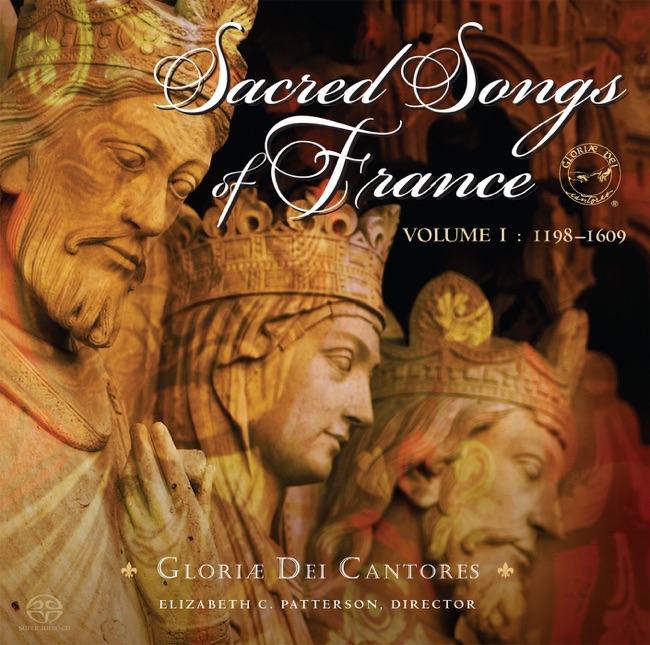 December 1, 2012
 -
 October 23, 2012
Artist Info
Role:ComposerCountry: FranceBirth:ca. 1160 in FranceDeath:ca. 1230 in FrancePeriod:MedievalGenre:ChoralPérotin was a French composer of the late 12th and early 13th centuries, known for his contributions to the development of polyphonic music. He was born in the town of Saint-Martial in the Limousin region of France, and little is known about his early life or musical training. Pérotin is believed to have been active at the Cathedral of Notre-Dame in Paris during the late 12th century, where he served as a member of the musical establishment. At this time, the Cathedral was a center of musical innovation, and Pérotin was part of a group of composers who were experimenting with new forms of polyphonic music. One of Pérotin's most significant contributions to music was his development of the organum, a form of polyphonic music that involved the addition of one or more voices to a pre-existing chant melody. Pérotin's organum compositions were characterized by their complex harmonies and intricate rhythms, and they were widely admired for their beauty and sophistication. Pérotin's most famous work is the four-part organum Viderunt Omnes, which was composed for the Christmas Day service at Notre-Dame in 1198. The piece is notable for its use of a tenor voice, which sings a pre-existing chant melody, while the other three voices weave intricate harmonies around it. Viderunt Omnes is considered a masterpiece of medieval music, and it has been performed and recorded by countless ensembles over the centuries. In addition to his work on the organum, Pérotin also composed conductus, a form of polyphonic music that was used for processions and other ceremonial occasions. Pérotin's conductus compositions were characterized by their lively rhythms and catchy melodies, and they were often performed by choirs of singers and instrumentalists. Pérotin's influence on music was significant, and his innovations in polyphonic music paved the way for the development of later musical forms such as the motet and the madrigal. His work was widely admired during his lifetime, and he was celebrated as one of the greatest composers of his era. Despite his fame and influence, little is known about Pérotin's personal life or his later years. He is believed to have died sometime in the early 13th century, and his legacy lives on through his music, which continues to be performed and studied by musicians and scholars around the world.More....
Recent Artist Music




Copyright Ⓒ 2013 Davinci Finger. All rights reseved
Service Terms & Policy