


Manuscrit du Roi Anonymous
Artist Info
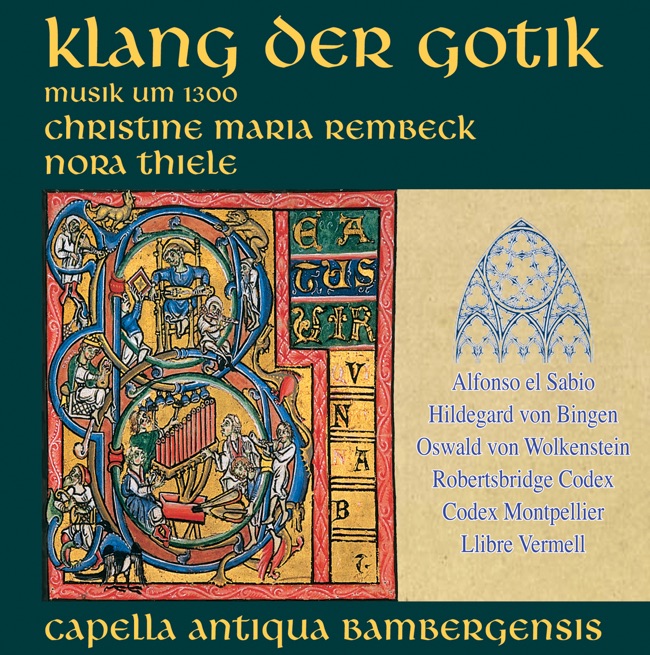
Role:ComposerCountry: FranceBirth:1250 in Paris, FranceDeath:1300 in Paris, FranceManuscrit du Roi Anonymous is a mysterious figure in the world of classical music. Little is known about the composer, including their birth name, birthplace, and even their gender. The only information available is that their works were compiled in a manuscript known as the "Manuscrit du Roi," which translates to "The King's Manuscript." The Manuscrit du Roi is a collection of 13th-century French polyphonic music, consisting of 351 compositions. The manuscript is believed to have been created in the 1270s, during the reign of King Louis IX of France. The music in the manuscript is written in a style known as Ars Antiqua, which was popular in the 13th century. The music in the Manuscrit du Roi is anonymous, and it is unclear who composed each piece. However, scholars have identified certain stylistic and melodic similarities between some of the compositions, suggesting that they may have been written by the same composer. One of the most famous compositions in the Manuscrit du Roi is the "Messe de Nostre Dame," which is believed to have been written by Manuscrit du Roi Anonymous. The "Messe de Nostre Dame" is a polyphonic mass, consisting of five movements: Kyrie, Gloria, Credo, Sanctus, and Agnus Dei. The mass is written for four voices, and it is considered one of the earliest examples of a complete polyphonic mass. The "Messe de Nostre Dame" is notable for its use of isorhythm, a technique in which a repeating rhythmic pattern is used throughout a composition. The mass also features complex polyphonic textures, with each voice singing a different melody at the same time. Another notable composition in the Manuscrit du Roi is the "Viderunt Omnes," which is also believed to have been written by Manuscrit du Roi Anonymous. The "Viderunt Omnes" is a gradual, a type of chant used in the Catholic liturgy. The piece is written for four voices, and it features complex polyphonic textures and intricate melodic lines. The music in the Manuscrit du Roi is considered some of the finest examples of 13th-century French polyphonic music. The compositions are notable for their use of complex polyphonic textures, intricate melodic lines, and innovative techniques such as isorhythm. Despite the mystery surrounding the composer, the music of Manuscrit du Roi Anonymous has had a lasting impact on the world of classical music. The "Messe de Nostre Dame" and the "Viderunt Omnes" are still performed and recorded today, and they continue to inspire composers and musicians around the world.More....
Recent Artist Music
4
1:26
Copyright Ⓒ 2013 Davinci Finger. All rights reseved
Service Terms & Policy