


Jacob Obrecht
Released Album
Choral
-
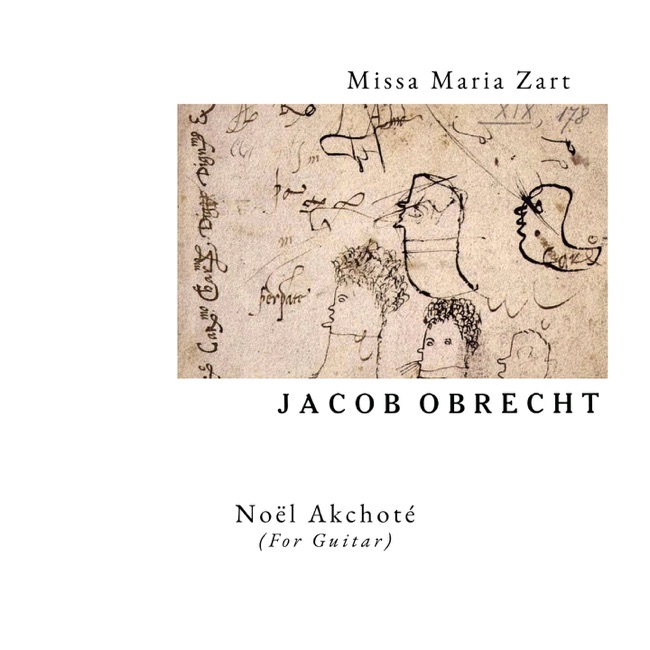 September 6, 2024
 -
 August 30, 2024
 -
-
 October 23, 2015
 -
-
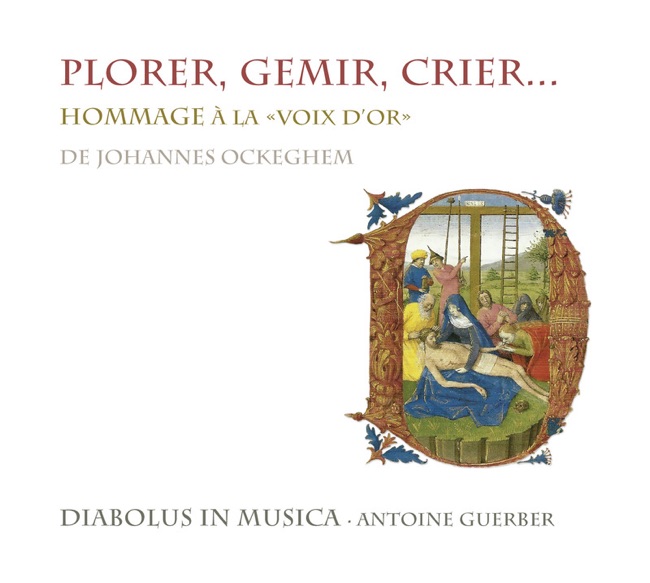 September 11, 2012
Vocal
-
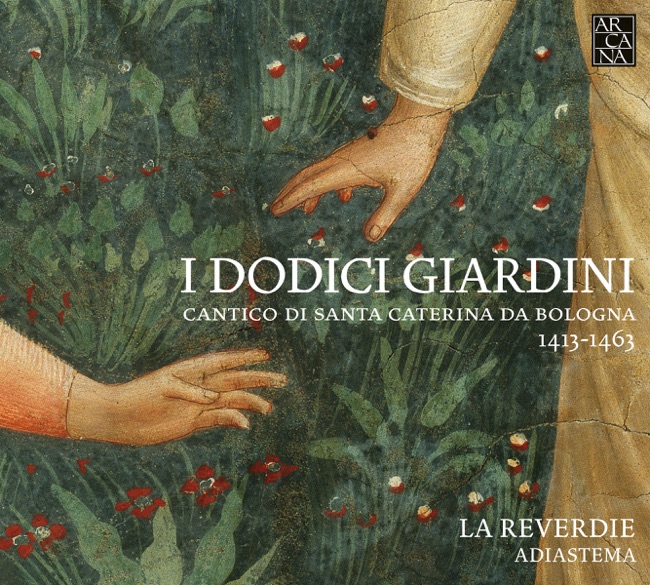 April 22, 2013
 -
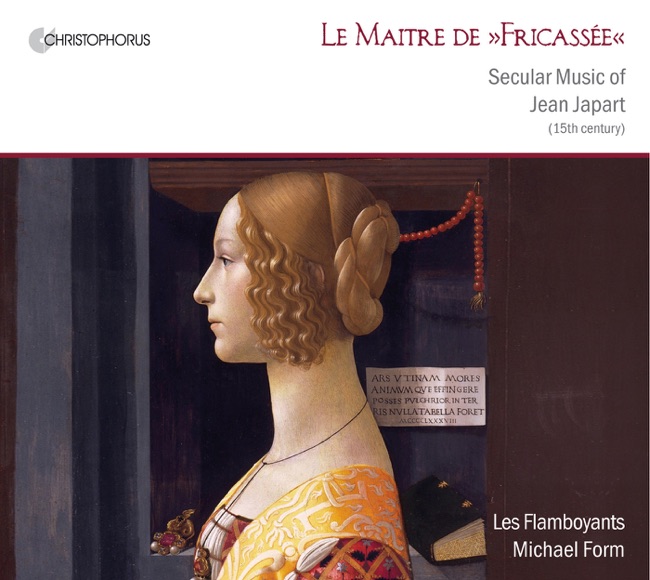 November 1, 2011
 -
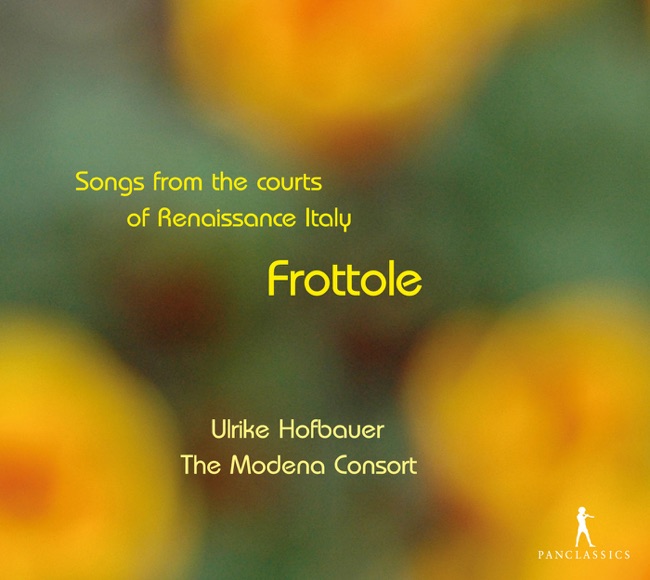 August 23, 2011
 -

-
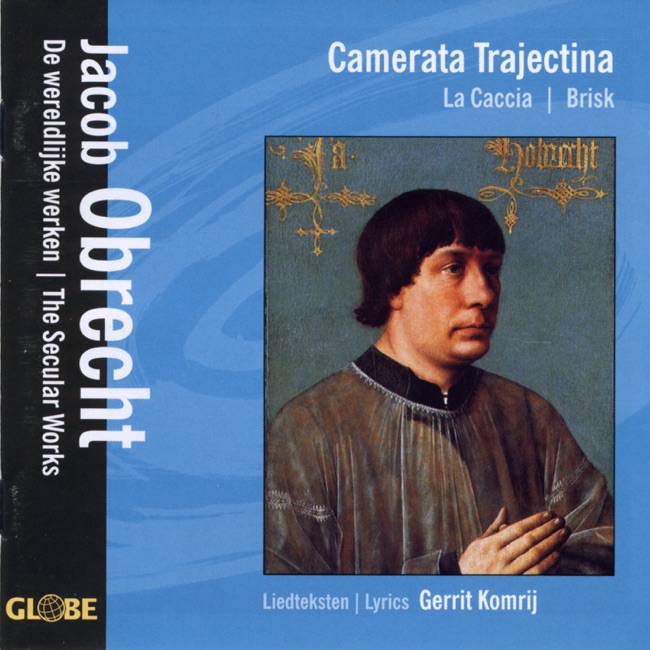 December 27, 2005
 -
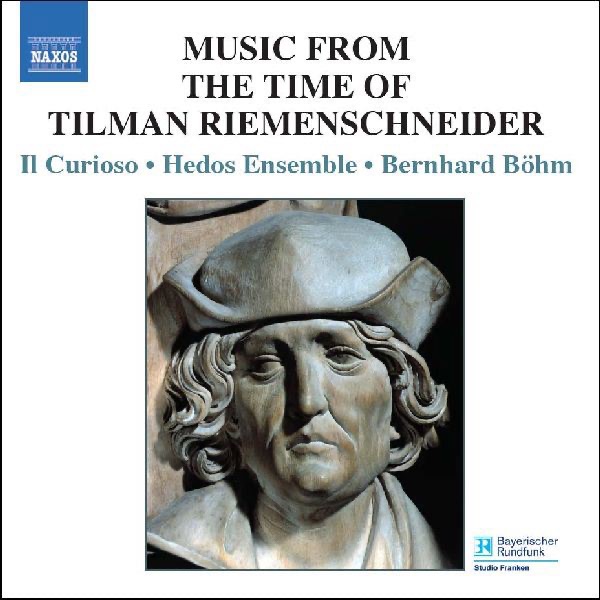 January 18, 2005
Chamber
-
 January 28, 2022
Artist Info
Role:ComposerCountry: BelgiumBirth:ca. 1450 in Bergen, NorwayDeath:1505 in Ferrara, ItalyPeriod:RenaissanceGenre:ChoralVocalJacob Obrecht was a prominent composer of the Renaissance period, born in Ghent, Flanders in 1457. He was the son of a city trumpeter and grew up in a musical family. His father recognized his son's musical talent at an early age and provided him with the necessary training to become a skilled musician. Obrecht's musical education began at the age of five when he was sent to the choir school of St. Donatian's Cathedral in Bruges. He received a thorough education in music theory, composition, and performance, and by the age of 15, he had become a skilled singer and instrumentalist. After completing his education, Obrecht began his career as a musician in the service of the Duke of Burgundy, Charles the Bold. He worked as a singer and instrumentalist in the duke's court, and it was during this time that he began to compose his own music. Obrecht's early compositions were influenced by the music of his contemporaries, including Johannes Ockeghem and Antoine Busnois. However, he soon developed his own unique style, characterized by complex polyphony and rich harmonies. One of Obrecht's most famous works is his Missa Maria Zart, which he composed in 1495. This mass is notable for its use of a cantus firmus, a pre-existing melody that is used as the basis for the composition. In this case, the cantus firmus is a German folk song, which Obrecht weaves into the mass in a variety of ways. Another notable work by Obrecht is his Missa Sub tuum praesidium, which he composed in 1492. This mass is notable for its use of a canon, a musical technique in which two or more voices sing the same melody, but at different times. Obrecht uses this technique to create a complex and intricate musical texture. Obrecht's music was highly regarded during his lifetime, and he was widely recognized as one of the leading composers of his time. He was particularly admired for his skill in creating complex polyphonic textures, and his music was often performed in churches and courts throughout Europe. Despite his success as a composer, Obrecht's personal life was marked by tragedy. He lost his wife and two children to the plague, and he himself died of the disease in 1505, at the age of 48. Today, Obrecht is remembered as one of the most important composers of the Renaissance period. His music continues to be performed and studied by musicians and scholars around the world, and his innovative use of polyphony and harmony has had a lasting impact on the development of Western classical music.More....
Recent Artist Music
3
1:17
8
4:34

14
2:53
Copyright Ⓒ 2013 Davinci Finger. All rights reseved
Service Terms & Policy