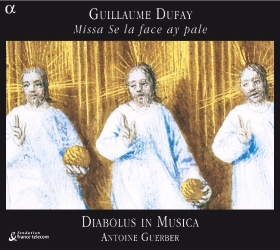
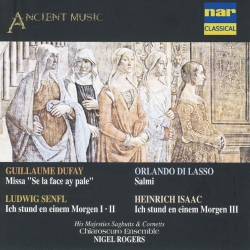
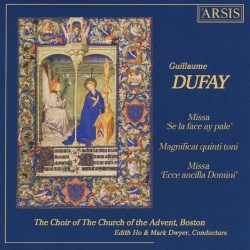
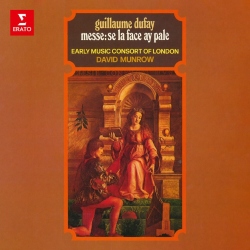
Guillaume Dufay
Missa Se la face ay pale
Released Album
Recent Album
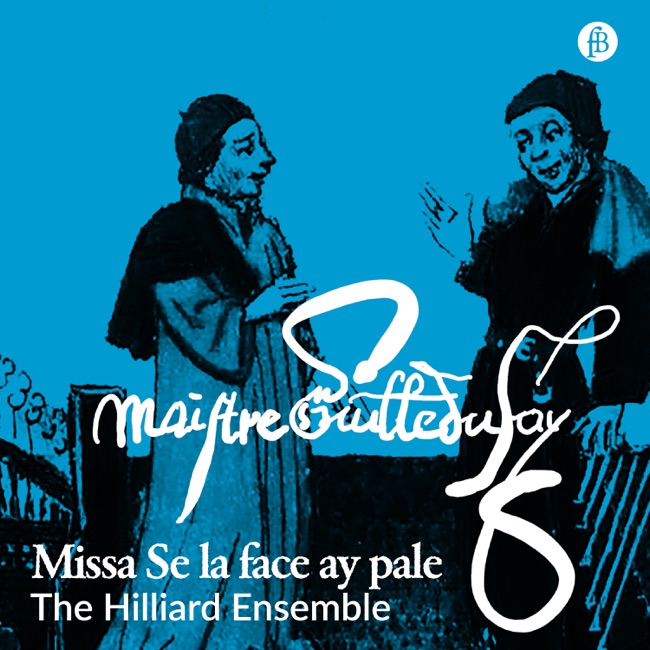
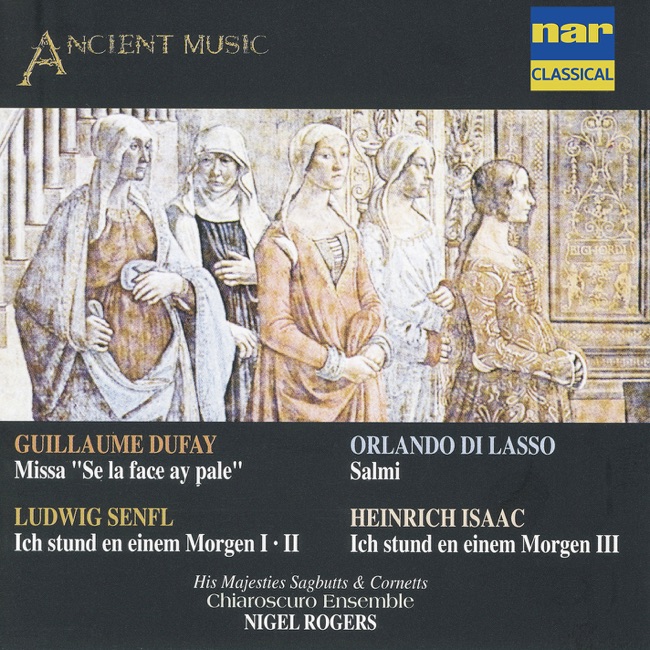
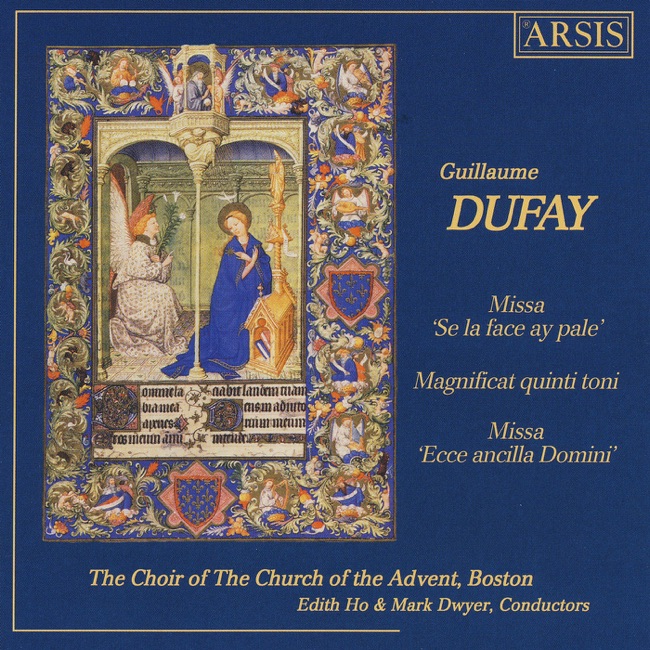
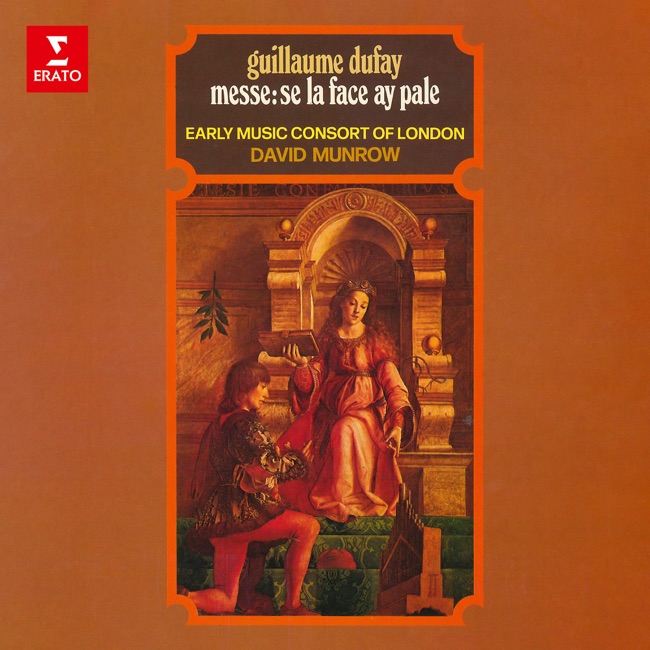
Featured Album
Works Info
Composer:Guillaume DufayGenre:ChoralStyle:MassCompose Date:ca. 1450Average_duration:35:58Movement_count:5Movement ....Guillaume Dufay's 'Missa Se la face ay pale' is a masterpiece of the early Renaissance period. It was composed in the mid-15th century, around 1450, and premiered in the court of the Duke of Burgundy, where Dufay was employed as a musician. The mass is written for four voices, with the tenor part being the most prominent. The 'Missa Se la face ay pale' is divided into five movements: Kyrie, Gloria, Credo, Sanctus, and Agnus Dei. Each movement is characterized by its own unique musical style and structure. The Kyrie is a simple and solemn prayer, with the voices singing in unison. The Gloria is a joyful and exuberant hymn of praise, with the voices weaving in and out of each other in intricate harmonies. The Credo is a long and complex statement of faith, with the voices alternating between homophonic and polyphonic textures. The Sanctus is a bright and lively hymn, with the voices soaring in jubilation. The Agnus Dei is a quiet and contemplative prayer, with the voices gradually fading away into silence. The 'Missa Se la face ay pale' is characterized by its use of cantus firmus, a pre-existing melody that is used as the basis for the composition. In this case, the cantus firmus is a secular song by Dufay himself, which he transforms into a sacred work of art. The use of cantus firmus was a common technique in Renaissance music, and Dufay was a master of this technique. The 'Missa Se la face ay pale' is also characterized by its use of imitation, a technique in which one voice imitates the melody of another voice. This creates a sense of unity and coherence in the composition, as well as a sense of complexity and richness. Overall, the 'Missa Se la face ay pale' is a masterpiece of Renaissance music, showcasing Dufay's mastery of composition and his ability to transform a secular melody into a sacred work of art. Its use of cantus firmus and imitation, as well as its unique musical style and structure, make it a timeless masterpiece that continues to inspire and delight audiences today.More....