


Cristóbal de Morales
Released Album
Choral
-
-
 November 19, 2021
 -
 October 30, 2020
 -
 August 21, 2020
 -
 March 6, 2020
 -
 January 18, 2019
Vocal
-
 November 11, 2016
 -
 May 6, 2016
 -
 May 31, 2005
Artist Info
Role:ComposerCountry: SpainBirth:ca. 1500 in Seville, SpainDeath:September, 1553 in Marchena, SpainPeriod:RenaissanceGenre:ChoralVocalCristóbal de Morales was a Spanish composer of the Renaissance period, born in Seville in 1500. He was the youngest of four siblings and his father was a nobleman who served as a treasurer for the Duke of Arcos. Morales showed an early interest in music and was sent to study at the Cathedral of Seville, where he received a thorough education in music theory and composition. Morales' talent was recognized early on, and he was appointed as a choirboy at the Cathedral of Seville at the age of 12. He quickly rose through the ranks and became a tenor in the choir, where he gained valuable experience in singing and performing. In 1526, he was appointed as the maestro de capilla (music director) at the Cathedral of Ávila, where he remained for four years. In 1530, Morales moved to Rome, where he worked as a singer and composer for the papal chapel. During his time in Rome, he composed a number of works, including masses, motets, and hymns. His music was highly regarded by his contemporaries, and he was considered one of the leading composers of his time. In 1535, Morales returned to Spain and was appointed as the maestro de capilla at the Cathedral of Toledo. He remained in this position for the rest of his life, and his tenure there was marked by a prolific output of music. He composed a large number of works for the cathedral, including masses, motets, hymns, and psalms. Morales' music was characterized by its rich harmonies, expressive melodies, and intricate counterpoint. He was particularly skilled at writing for voices, and his works for choir are considered some of the finest examples of Renaissance polyphony. His music was also notable for its use of chromaticism, which was a relatively new technique at the time. One of Morales' most famous works is his Missa Mille regretz, which is based on a popular chanson by Josquin des Prez. The mass is notable for its use of imitation, in which the different voices of the choir imitate each other's melodies. Another famous work is his motet Emendemus in melius, which is a setting of a text from the Book of Wisdom. The motet is notable for its use of chromaticism and its expressive harmonies. Morales' music was highly influential, and his style had a significant impact on the development of music in Spain and throughout Europe. His works were widely performed and admired during his lifetime, and they continue to be performed and studied today. Morales died in 1553 in Toledo, where he had spent the majority of his career. He was buried in the cathedral, where his legacy as one of the greatest composers of the Renaissance period continues to be celebrated.More....
Recent Artist Music

11
2:36
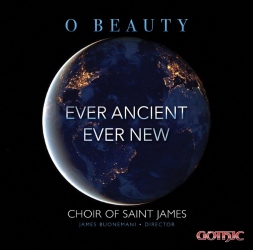
14
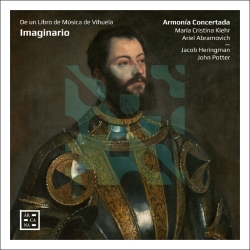
1:37
15
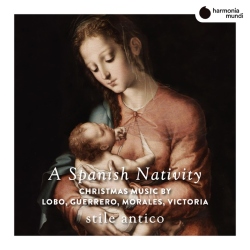
Cum natus esset Jesus/At illi dixerunt/Et ecce ste
Cum natus esset (Nicolai Gomberti musici excellentissimi pentaphthongos harmonia, Venice, 1541)
11:18
Recommend Playlist



Related Artists
Copyright Ⓒ 2013 Davinci Finger. All rights reseved
Service Terms & Policy