Cristóbal de Morales
Salve Regina
Released Album
Recent Album

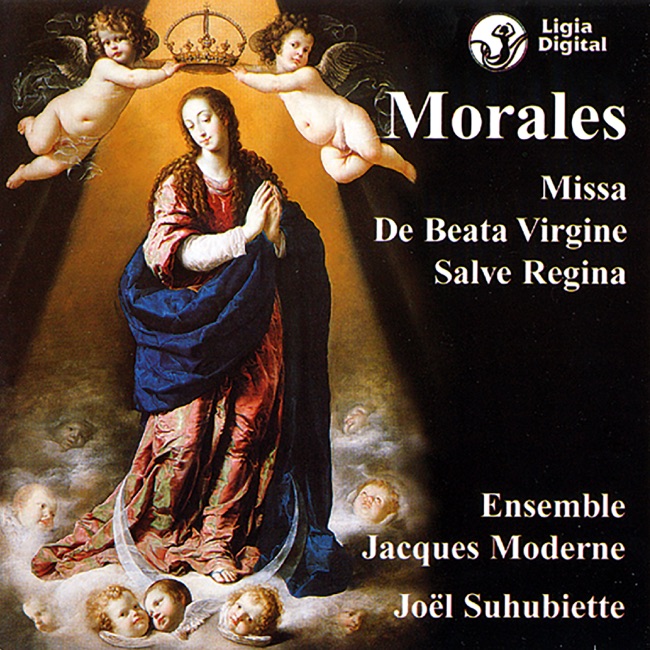
Featured Album

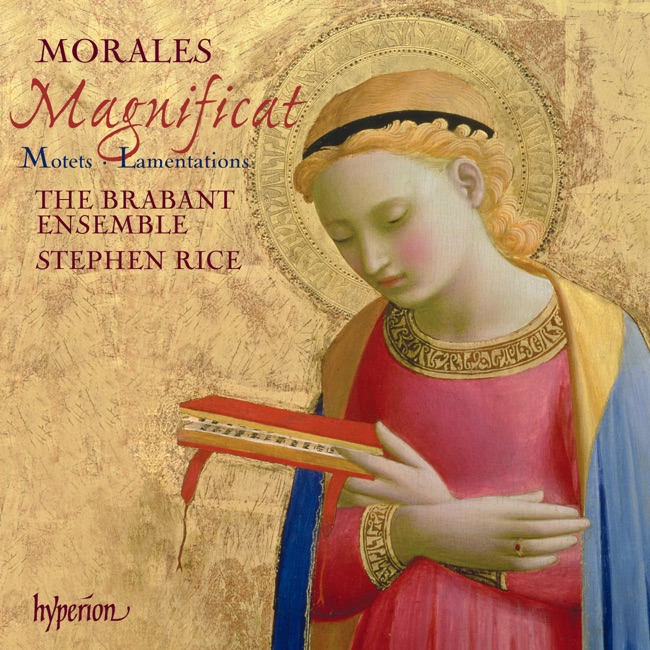
Works Info
Composer:Cristóbal de MoralesGenre:ChoralStyle:ChoralAverage_duration:8:31Salve Regina is a sacred choral composition composed by Cristóbal de Morales, a Spanish composer of the Renaissance era. The piece was composed in the 16th century and is considered one of Morales' most famous works. It was premiered in the Chapel Royal of Emperor Charles V in Madrid, Spain. The composition is divided into four movements, each of which is based on a different section of the Salve Regina prayer. The first movement is a simple and serene setting of the prayer's opening lines, while the second movement is more complex and features intricate polyphonic textures. The third movement is a gentle and contemplative setting of the prayer's middle section, and the final movement is a grand and majestic setting of the prayer's closing lines. One of the most notable characteristics of Morales' Salve Regina is its use of polyphony, a technique in which multiple independent melodic lines are woven together to create a rich and complex texture. Morales' use of polyphony in this composition is particularly effective, as it allows him to create a sense of depth and complexity while still maintaining a clear and coherent structure. Another notable characteristic of Morales' Salve Regina is its use of chromaticism, a technique in which notes outside of the traditional diatonic scale are used to create tension and dissonance. Morales' use of chromaticism in this composition is particularly effective, as it allows him to create a sense of emotional intensity and drama. Overall, Morales' Salve Regina is a masterful example of Renaissance choral music, featuring intricate polyphonic textures, rich harmonies, and a deep sense of emotional intensity. Its premiere in the Chapel Royal of Emperor Charles V in Madrid was a testament to Morales' skill as a composer, and it continues to be celebrated as one of the most important works of the Renaissance era.More....