


Orlande de Lassus
Released Album
Choral
-
 September 15, 2023
 -
 September 17, 2022
 -
 July 1, 2022
 -
 April 10, 2022
 -
 March 1, 2022
 -
 September 3, 2021
Vocal
-
-
 November 3, 2023
 -
 October 13, 2023
 -
 October 6, 2023
 -
 October 21, 2022
 -
 September 9, 2022
Artist Info
Role:ComposerCountry: BelgiumBirth:1532 in Mons, BelgiumDeath:June 14, 1594 in Munich, GermanyPeriod:RenaissanceGenre:ChoralVocalOrlande de Lassus, also known as Roland de Lassus, was a prominent composer of the Renaissance period. He was born in Mons, Hainaut, which is now part of Belgium, in 1532. His father, Jean de Lassus, was a musician and singer in the service of the Duke of Burgundy. Orlande de Lassus showed an early interest in music and began his musical education at a young age. Lassus received his early musical training in Mons, where he studied with the local organist, Jacques de Mantua. He then moved to Italy, where he studied with the famous composer Giovanni Pierluigi da Palestrina in Rome. Lassus spent several years in Italy, where he also worked for the Duke of Mantua and the Duke of Ferrara. In 1555, Lassus moved to Munich, where he was appointed as a singer in the court chapel of Duke Albrecht V of Bavaria. He quickly rose through the ranks and was eventually appointed as the court composer in 1563. Lassus remained in Munich for the rest of his life, where he composed music for the court chapel and other patrons. Lassus was a prolific composer, and his works include over 2,000 pieces of music. He composed in a variety of genres, including sacred music, secular music, and instrumental music. His sacred music includes masses, motets, and hymns, while his secular music includes madrigals, chansons, and instrumental pieces. One of Lassus's most famous works is his setting of the Stabat Mater, a hymn that describes the suffering of Mary at the foot of the cross. Lassus's setting of the Stabat Mater is considered one of the most beautiful and moving pieces of music from the Renaissance period. Another famous work by Lassus is his setting of the Magnificat, a hymn that praises the Virgin Mary. Lassus's Magnificat is known for its intricate polyphony and rich harmonies. Lassus was also known for his skill in composing madrigals, which were secular songs that were popular in Italy during the Renaissance. His madrigals are characterized by their expressive melodies and complex harmonies. One of his most famous madrigals is "Matona, mia cara," which tells the story of a man who is in love with a woman named Matona. In addition to his compositions, Lassus was also known for his skill as a performer. He was an accomplished singer and keyboard player, and he often performed his own works in public. He was also known for his ability to improvise, and he was often called upon to improvise music for special occasions. Lassus's music was highly regarded during his lifetime, and he was widely recognized as one of the greatest composers of his time. His works were performed throughout Europe, and he was often called upon to compose music for special occasions, such as weddings and coronations. Lassus died in Munich in 1594, at the age of 62. His legacy as a composer has endured to this day, and his works continue to be performed and admired by musicians and music lovers around the world.More....
Recent Artist Music
4
Lamentationes Hieremiae (9), for 5 voices, H. xxii/3
Feria sexta in parasceve. Lamentatio prima
7:45
9
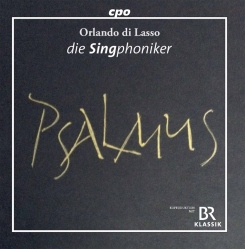
Psalmi Davidis poenitentiales, psalm settings (7)
Secundus Psalmus Poenitentialis: Intellectum tibi dabo
4:12
10

4:51

Works Highlight










Related Artists
Copyright Ⓒ 2013 Davinci Finger. All rights reseved
Service Terms & Policy