Orlande de Lassus
Tristis est anima mea, M. iv (S. v/48)
Released Album
Recent Album
Featured Album

Works Info
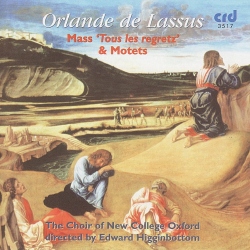
Composer:Orlande de LassusGenre:ChoralStyle:MotetPublication Date:1565Average_duration:3:58Tristis est anima mea, M. iv (S. v/48) is a sacred motet composed by Orlande de Lassus, a prominent composer of the late Renaissance period. The piece was composed in the late 16th century and was first performed in Munich, Germany. It is a six-part motet, with two sopranos, alto, tenor, baritone, and bass voices. The piece is divided into three movements, each with its own distinct character and mood. The first movement is slow and mournful, with a somber melody that reflects the text of the piece. The second movement is more lively and energetic, with a faster tempo and more complex harmonies. The final movement returns to the mournful character of the first, with a slower tempo and a more contemplative mood. The text of the piece is taken from the Gospel of Matthew, specifically from the account of Jesus' betrayal and arrest in the Garden of Gethsemane. The text is in Latin and translates to "My soul is sorrowful even unto death; stay here and watch with me." The piece is a meditation on the suffering of Christ and the emotional turmoil that he experienced in the moments leading up to his crucifixion. The music of Tristis est anima mea is characterized by its rich harmonies, expressive melodies, and intricate counterpoint. Lassus was known for his skill in writing polyphonic music, and this piece is a prime example of his mastery of the form. The use of chromaticism and dissonance adds to the emotional intensity of the piece, creating a sense of tension and unease that reflects the text. Overall, Tristis est anima mea is a powerful and moving piece of sacred music that showcases Lassus' skill as a composer. Its emotional depth and complexity make it a timeless masterpiece of the Renaissance period.More....
Works Music
Released Music
8
3:35
9
4:25
10
5:2
Featured Music