


Leonhard Lechner
Released Album
Miscellaneous
-
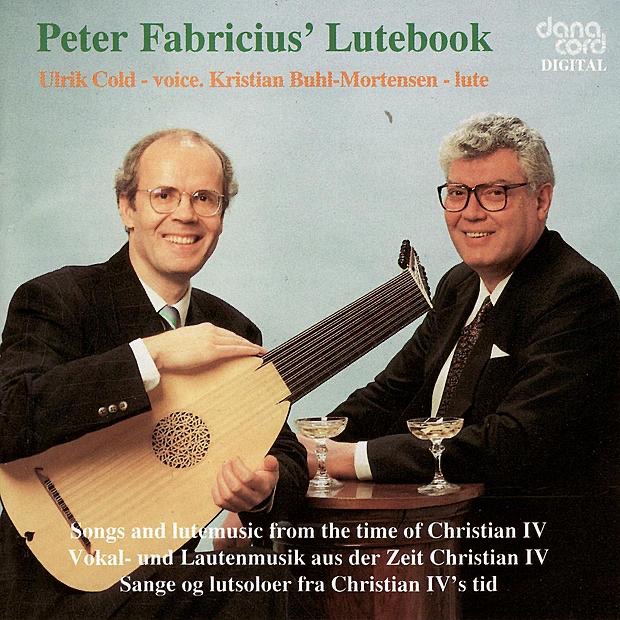 October 1, 1999
 -
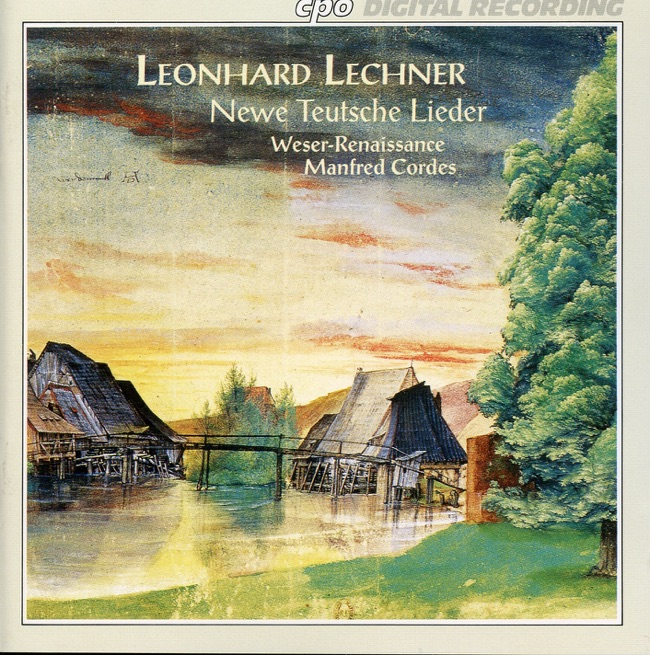 April 23, 1996
Choral
-
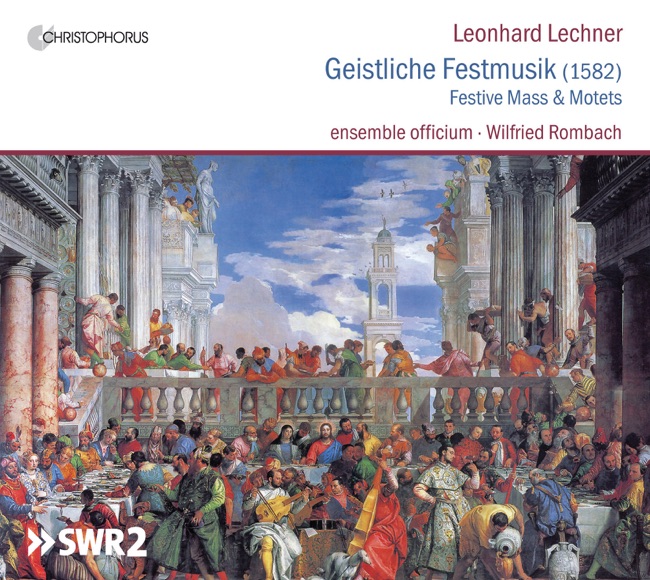 March 4, 2013
 -
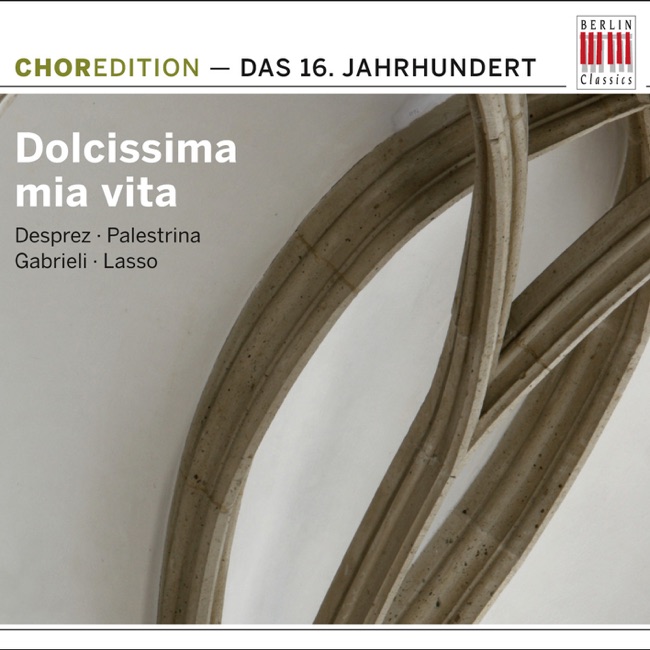 November 19, 2010
 -
 October 30, 2007
Artist Info
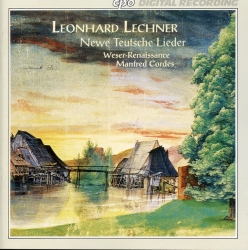
Role:ComposerCountry: GermanyBirth:ca. 1553 in South Tyrol, ItalyDeath:September 9, 1606 in Stuttgart, GermanyPeriod:RenaissanceLeonhard Lechner was a German composer of the Renaissance era, born in 1553 in the town of Steyr in Upper Austria. He was the son of a musician and grew up in a musical family, which likely influenced his early interest in music. Lechner received his musical education in Vienna, where he studied with the renowned composer and music theorist Johannes de Cleve. Lechner began his career as a musician in the court of the Archbishop of Salzburg, where he served as a singer and instrumentalist. He later moved to Munich, where he worked as a court musician for Duke Wilhelm V of Bavaria. During his time in Munich, Lechner composed a number of works for the court, including sacred music, secular songs, and instrumental pieces. One of Lechner's most notable works is his collection of sacred motets, entitled "Sacrae Cantiones," which was published in 1589. The collection includes 30 motets for four to eight voices, and is considered to be one of the most important collections of sacred music from the late Renaissance period. The motets are characterized by their rich harmonies, expressive melodies, and intricate counterpoint, and are a testament to Lechner's skill as a composer. In addition to his sacred music, Lechner also composed a number of secular works, including songs, madrigals, and instrumental pieces. One of his most famous secular works is his collection of madrigals, entitled "Newe teutsche Lieder," which was published in 1597. The collection includes 40 songs for four voices, and is notable for its use of German texts, which was a departure from the traditional use of Latin in Renaissance music. Lechner's music was highly regarded during his lifetime, and he was considered to be one of the leading composers of his time. His works were performed throughout Europe, and he was particularly popular in Germany and Austria. Despite his success, however, Lechner's life was not without its challenges. He suffered from poor health throughout his life, and was forced to retire from his position as court musician in Munich due to his declining health. Despite these challenges, Lechner continued to compose music until his death in 1606. His legacy as a composer has endured, and his works continue to be performed and studied by musicians and scholars around the world. Lechner's contributions to the development of Renaissance music are significant, and his music remains an important part of the classical music canon.More....
Recent Artist Music
2
5:9
4
7:48
5
4:44
6
2:16
7
2:50
10
2:22
Copyright Ⓒ 2013 Davinci Finger. All rights reseved
Service Terms & Policy