


Carlo Gesualdo
Released Album
Vocal
-
-
 March 24, 2023
 -
 April 22, 2022
 -
 March 18, 2022
 -
 October 22, 2021
 -
 October 8, 2021
Choral
-
 April 7, 2023
 -
-
 April 17, 2020
 -
-
 March 27, 2020
 -
 January 24, 2020
Keyboard
-
 February 9, 2024
 -
 November 13, 2020
 -
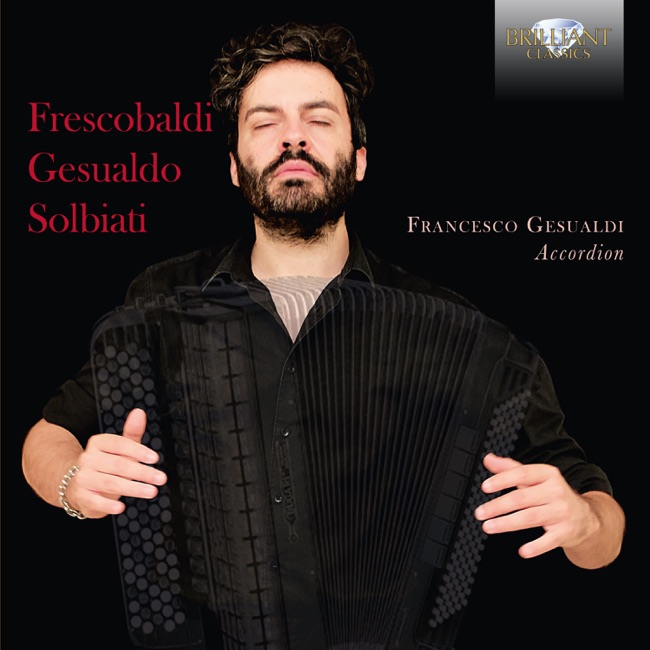 February 24, 2017
 -
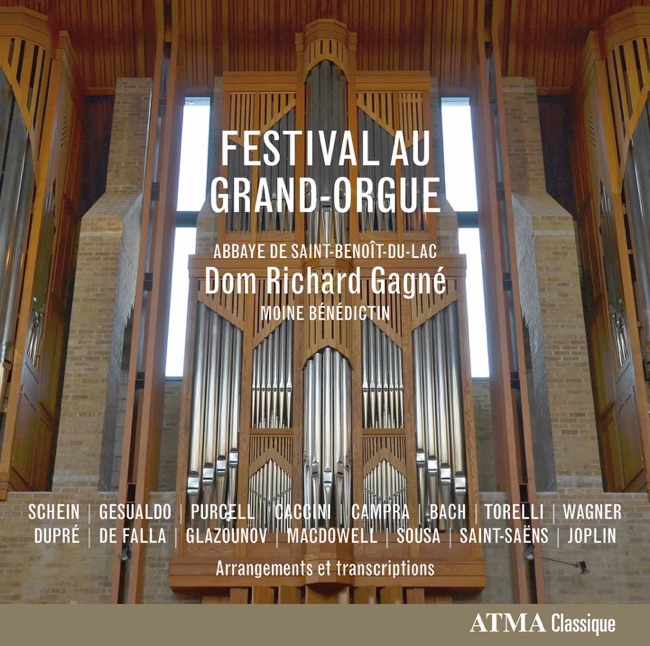 July 10, 2015
 -
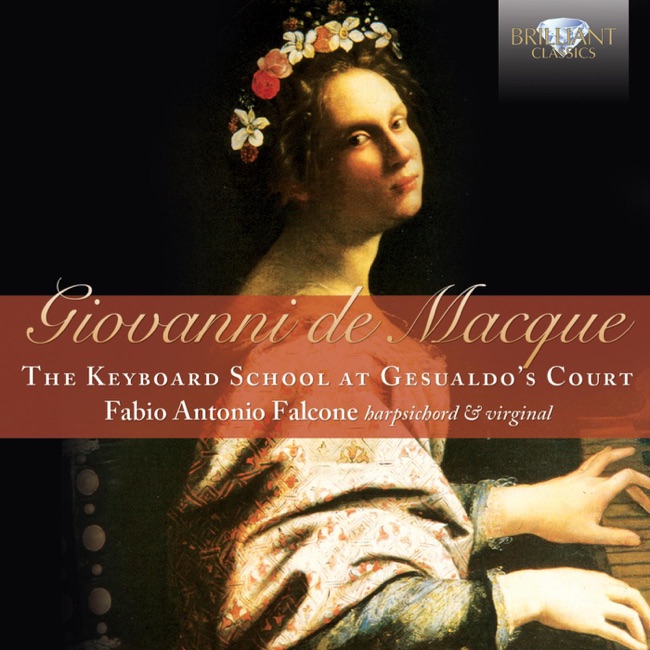 January 27, 2015
 -
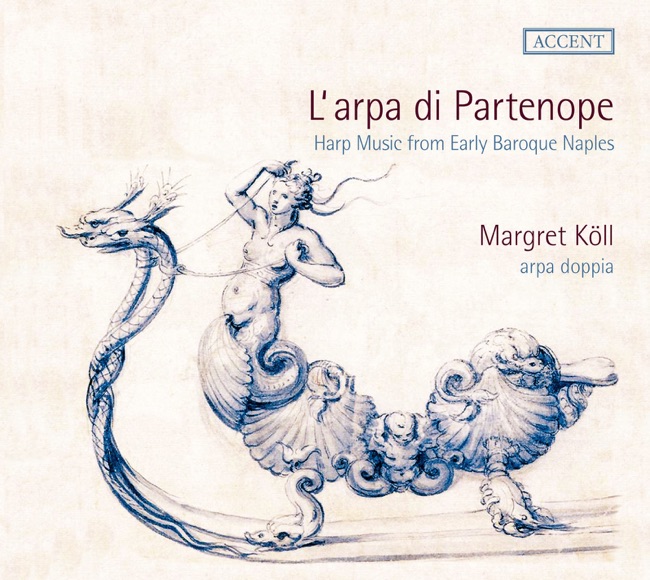 March 10, 2014
Artist Info
Role:ComposerCountry: ItalyBirth:ca. 1566 in Venosa, ItalyDeath:September 8, 1613 in Avellino, ItalyPeriod:RenaissanceBaroqueGenre:ChoralVocalCarlo Gesualdo, Prince of Venosa, was an Italian composer and nobleman born on March 8, 1566, in the Kingdom of Naples. He was the son of Fabrizio Gesualdo, the Duke of Venosa, and Girolama Borromeo, a member of the powerful Milanese Borromeo family. Gesualdo was born into a family of musicians, and his father was a composer and lutenist. He received his early musical education from his father and other musicians in the court of Naples. Gesualdo's musical career began in earnest in 1586 when he inherited his father's title and estates. He was a talented musician and composer, and he quickly became known for his innovative and experimental approach to music. Gesualdo was particularly interested in the use of chromaticism, which was a departure from the traditional diatonic system of music. He used chromaticism to create complex and dissonant harmonies that were unlike anything that had been heard before. Gesualdo's first published work was a collection of madrigals, which he published in 1594. The collection, entitled "Madrigali a cinque voci," was well-received and established Gesualdo as a composer of note. He continued to compose madrigals throughout his career, and his later works became increasingly complex and experimental. One of Gesualdo's most famous works is his collection of six books of madrigals, which he published between 1594 and 1611. The madrigals in these books are characterized by their use of chromaticism and their complex harmonies. They are also notable for their highly emotional and expressive lyrics, which often deal with themes of love, betrayal, and death. In addition to his madrigals, Gesualdo also composed sacred music, including motets and masses. His sacred music is less experimental than his madrigals, but it still displays his unique approach to harmony and his emotional expressiveness. Despite his success as a composer, Gesualdo's personal life was marked by tragedy and scandal. In 1590, he married his cousin, Maria d'Avalos, who was known for her beauty and her many affairs. Gesualdo was deeply in love with Maria, but he soon discovered that she was unfaithful to him. In 1593, he caught her in the act of adultery and murdered both her and her lover. Gesualdo was never punished for the murders, as he was a nobleman and therefore immune from prosecution. After the murders, Gesualdo became increasingly reclusive and eccentric. He spent much of his time composing and experimenting with music, and he became known for his strange and erratic behavior. He also became interested in the occult and was rumored to have practiced black magic. Gesualdo died on September 8, 1613, at the age of 47. He left behind a legacy as one of the most innovative and experimental composers of his time. His use of chromaticism and his emotional expressiveness were highly influential on later composers, including Johann Sebastian Bach and Igor Stravinsky. Despite his personal flaws, Gesualdo's music continues to be celebrated and performed to this day.More....
Recent Artist Music

7
Ah, if it was already cruel, W. 3/64
Deh, se già fu crudele, madrigali a cinque voci (Libro terzo)
2:14
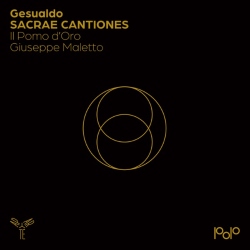
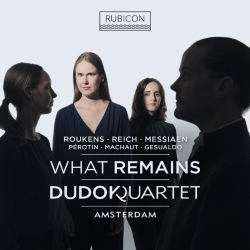
Works Highlight











Copyright Ⓒ 2013 Davinci Finger. All rights reseved
Service Terms & Policy