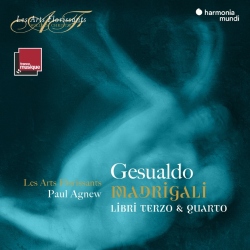
Carlo Gesualdo
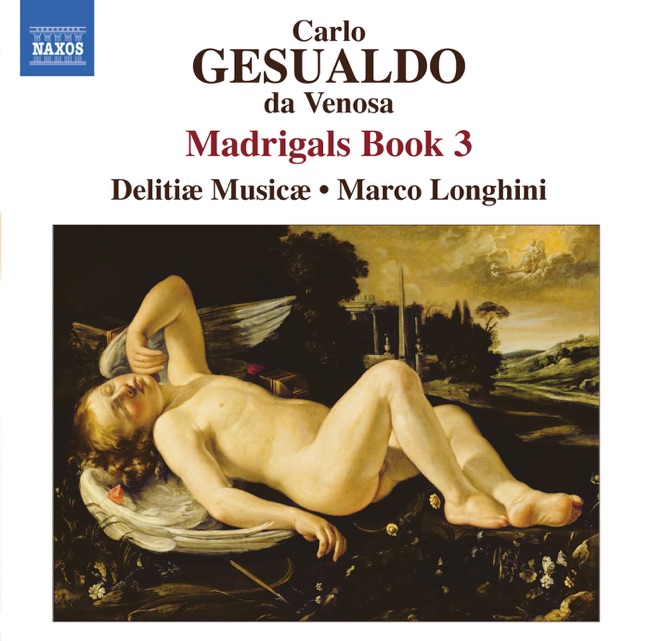
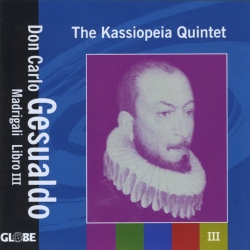
Madrigals, Book 3
Released Album
Recent Album
-
-
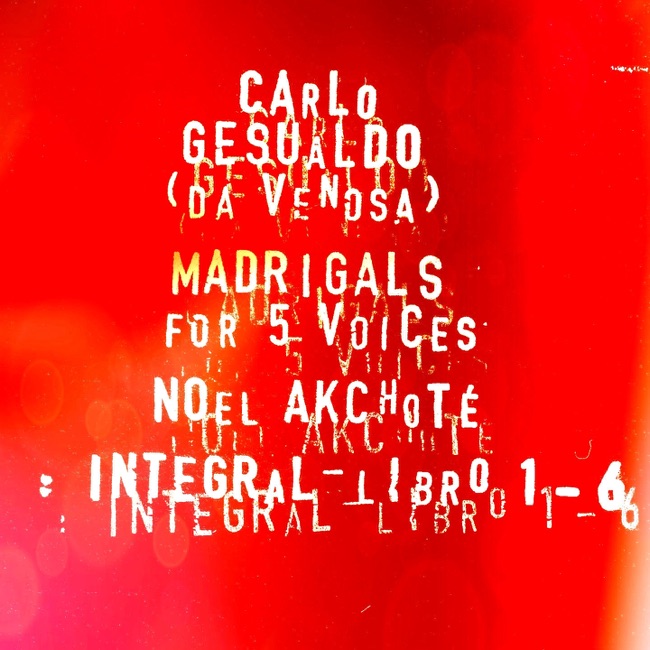 Noël AkchotéSeptember 6, 2012
 -
-
Featured Album
Works Info
Composer:Carlo GesualdoGenre:VocalCompose Date:1595Average_duration:52:11Carlo Gesualdo's 'Madrigals, Book 3' is a collection of 20 madrigals that were composed in the late 16th century. The exact date of composition is not known, but it is believed to have been written between 1594 and 1596. The madrigals were published in 1595 in Naples, Italy. The premiere of 'Madrigals, Book 3' is not recorded, but it is likely that the pieces were performed in Gesualdo's own court in his castle in Gesualdo, Italy. The madrigals were written for five voices and are characterized by their complex harmonies, chromaticism, and use of dissonance. The first movement of the collection is 'Io pur respiro in cosi gran dolore', which is a lament for unrequited love. The second movement, 'O dolorosa gioia', is a love song that expresses the pain and joy of being in love. The third movement, 'Moro, lasso, al mio duolo', is a funeral song that mourns the death of a loved one. The fourth movement, 'Se tu fuggi, io non resto', is a playful song about the pursuit of love. The fifth movement, 'Ardita zanzaretta', is a humorous song about a mosquito that is in love with a flame. The sixth movement, 'Dolcissima mia vita', is a love song that expresses the joy of being in love. The seventh movement, 'O tenebroso giorno', is a lament for the death of Christ. The eighth movement, 'O dolorosa partita', is a farewell song that expresses the pain of separation. The ninth movement, 'O come sei gentile', is a love song that praises the beauty of the beloved. The tenth movement, 'Mentre io mirava fiso', is a song about the power of love to overcome all obstacles. The eleventh movement, 'O voi, troppo felici', is a lament for those who are too happy and do not appreciate the value of love. The twelfth movement, 'Ahi, disperata vita', is a lament for the pain of unrequited love. The thirteenth movement, 'O doloroso sonno', is a funeral song that mourns the death of a loved one. The fourteenth movement, 'O primavera, gioventu dell'anno', is a celebration of spring and youth. The fifteenth movement, 'O voi, troppo felici', is a lament for those who are too happy and do not appreciate the value of love. The sixteenth movement, 'O dolorosa gioia', is a love song that expresses the pain and joy of being in love. The seventeenth movement, 'O tenebroso giorno', is a lament for the death of Christ. The eighteenth movement, 'O come sei gentile', is a love song that praises the beauty of the beloved. The nineteenth movement, 'Moro, lasso, al mio duolo', is a funeral song that mourns the death of a loved one. The final movement, 'Io tacerò, ma nel silentio mio', is a love song that expresses the pain of unrequited love. Overall, 'Madrigals, Book 3' is a collection of complex and emotionally charged madrigals that showcase Gesualdo's unique style and innovative use of harmony and dissonance. The collection is a testament to Gesualdo's skill as a composer and his ability to express the full range of human emotion through music.More....
Works Music
Released Music

Featured Music