


Camille Saint-Saëns
Danse macabre in G minor, Op. 40
Released Album
Recent Album


Featured Album
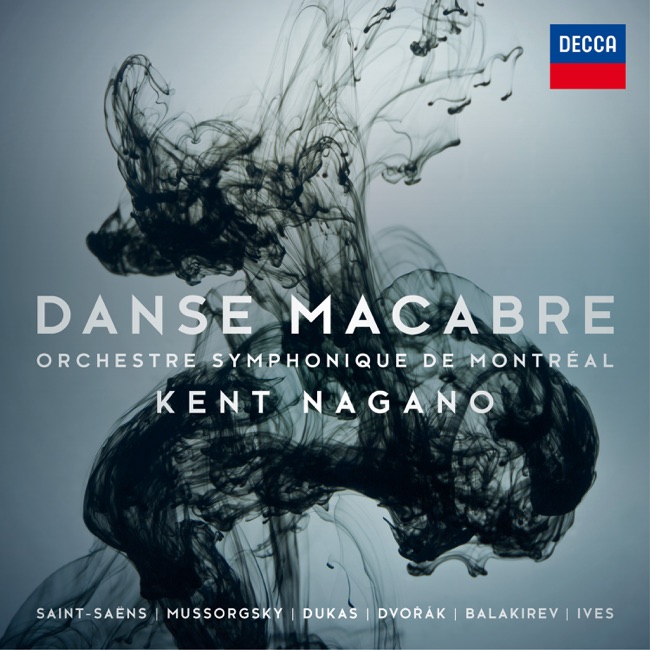
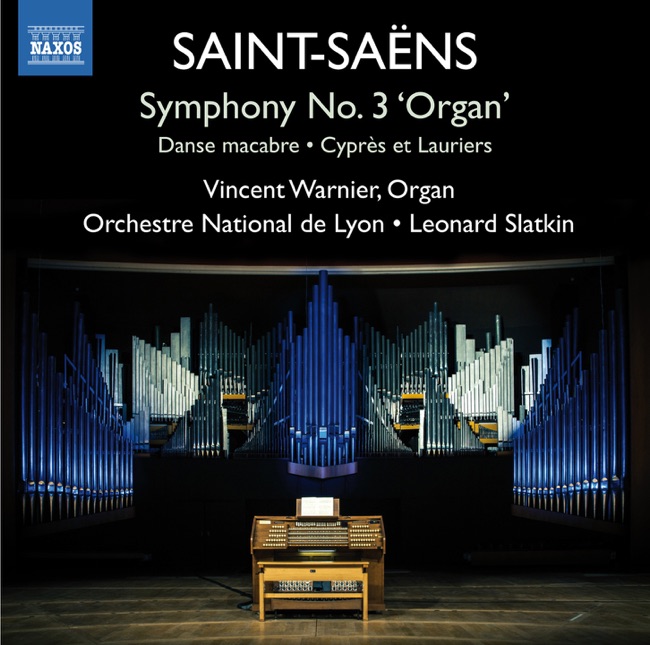
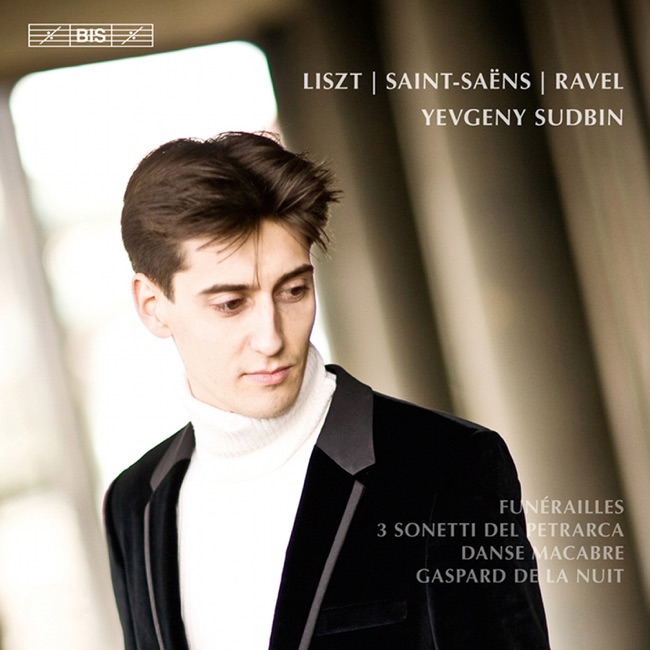
Works Info
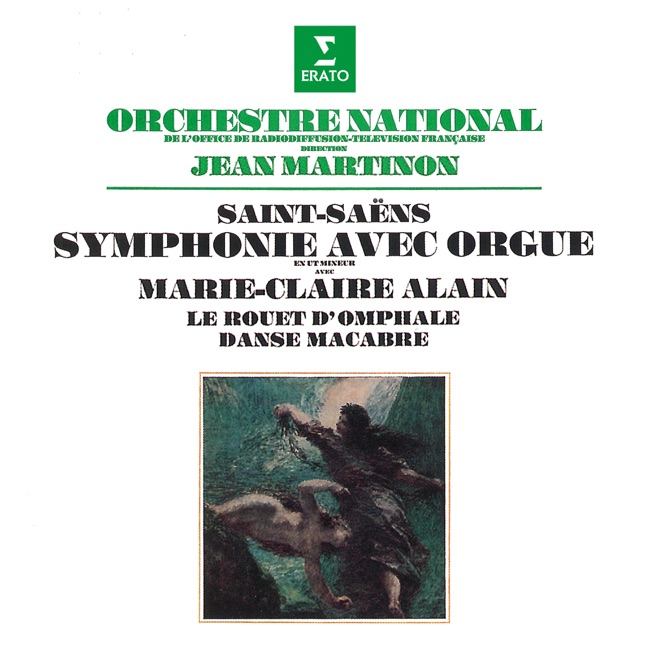
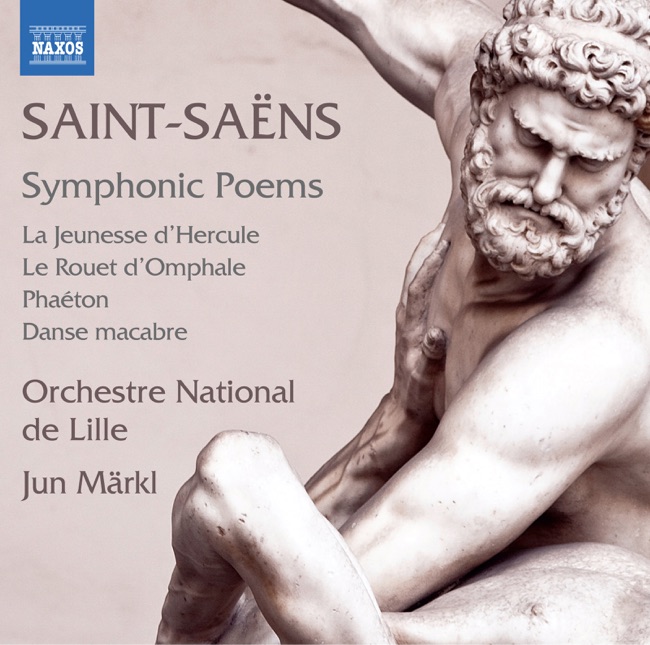
Composer:Camille Saint-SaënsGenre:OrchestralStyle:Tone PoemCompose Date:1874Average_duration:7:15Danse macabre in G minor, Op. 40 is a tone poem composed by Camille Saint-Saëns in 1874. It premiered on January 24, 1875, at the Paris Conservatoire, with the composer conducting. The piece is based on the French legend of the Danse Macabre, which depicts Death summoning the dead from their graves to dance with him until dawn. The piece is divided into three main sections. The first section begins with a solo violin playing a haunting melody, which is then taken up by the rest of the orchestra. The music gradually builds in intensity, with the addition of various instruments, including the xylophone, which represents the rattling of bones. The second section features a waltz-like melody, played by the solo violin and accompanied by the harp and pizzicato strings. The third section is a frenzied dance, with the orchestra playing at full force, and the solo violin playing rapid, virtuosic runs. One of the most distinctive features of Danse macabre is the use of the xylophone, which was a relatively new instrument at the time of the piece's composition. Saint-Saëns used the xylophone to create a skeletal, rattling sound, which adds to the eerie atmosphere of the piece. Another notable feature is the use of the solo violin, which represents Death playing his fiddle to summon the dead. Overall, Danse macabre is a vivid and evocative piece of music, which captures the macabre spirit of the French legend. It is a testament to Saint-Saëns' skill as a composer, and remains one of his most popular works to this day.More....
Works Music
Released Music
2
7:30
3
7:30
6
6:39

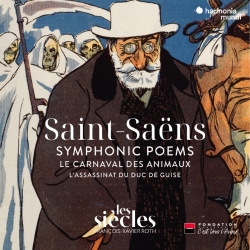
9
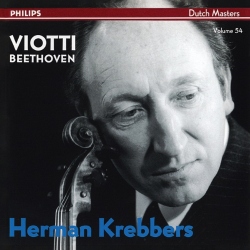
7:19
10

9:56
Featured Music
1
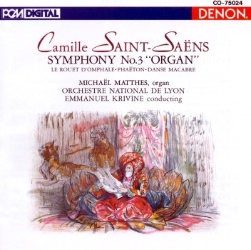
7:

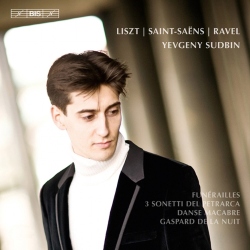
Recommend Playlist













Main Perform Artists
Violin
Piano