


René Leibowitz
Released Album
Opera
-
 July 17, 2020
 -
 January 15, 2016
 -
 December 11, 2015
 -
 January 20, 2013
 -
 January 1, 2013
Orchestral
-
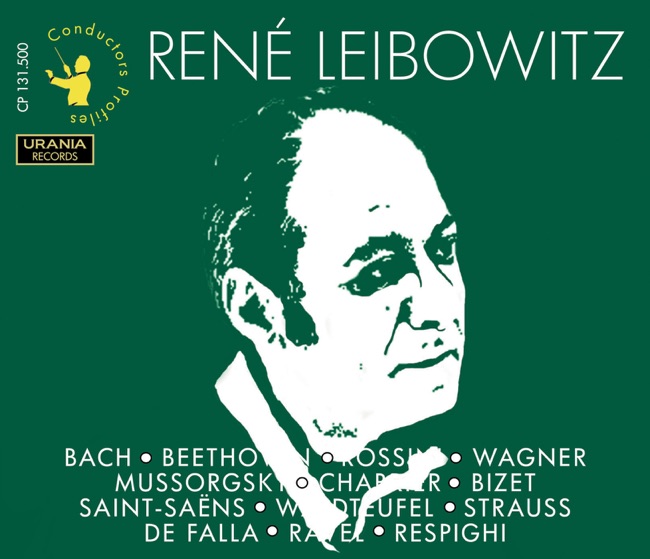 July 3, 2015
 -
 June 12, 2012
Symphony
-
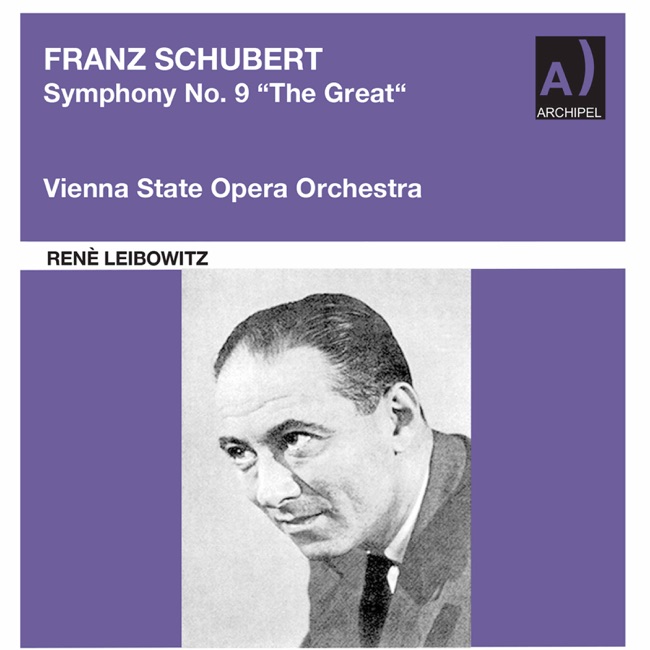 February 11, 2022
 -
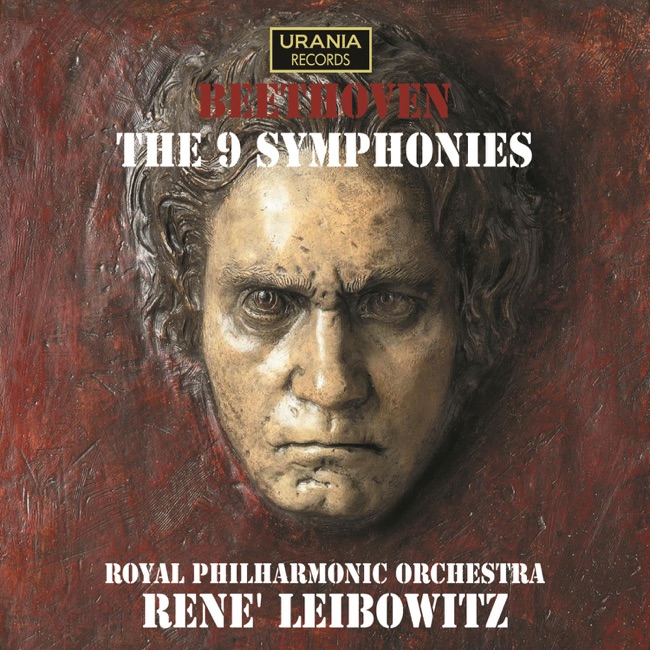 April 8, 2014
 -
-
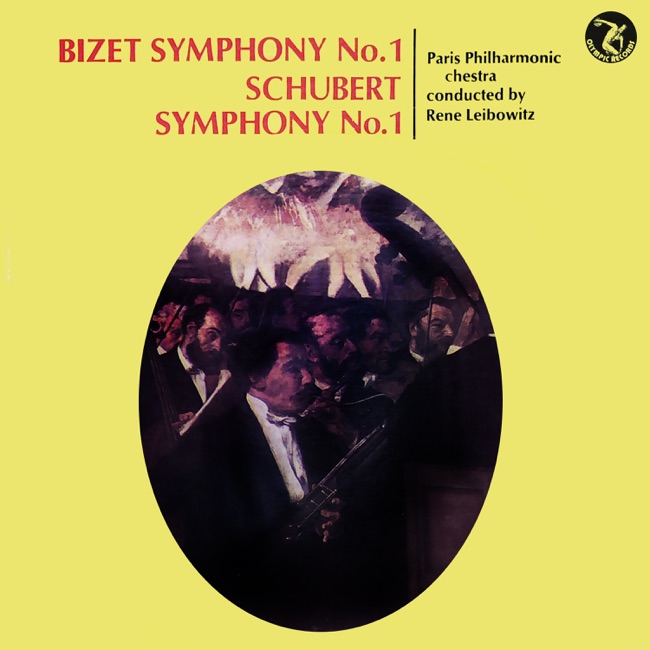 July 23, 1973
Keyboard
-
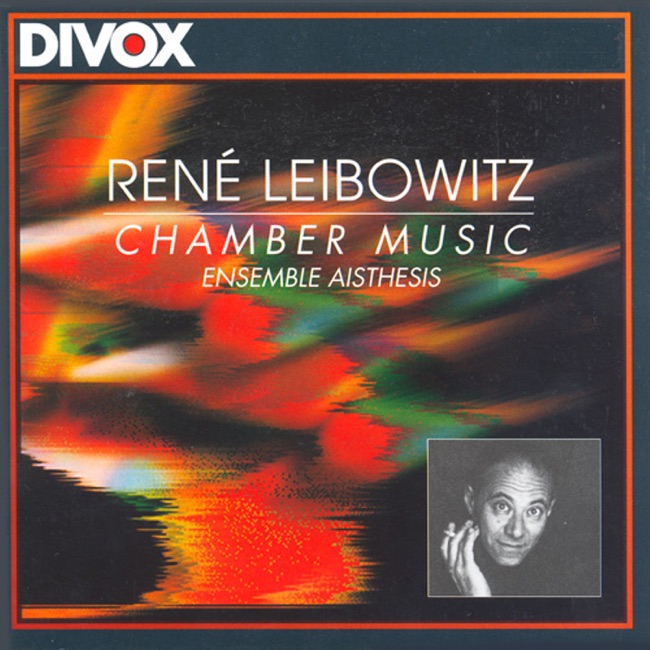 April 25, 2011
 -
 June 26, 1964
 -
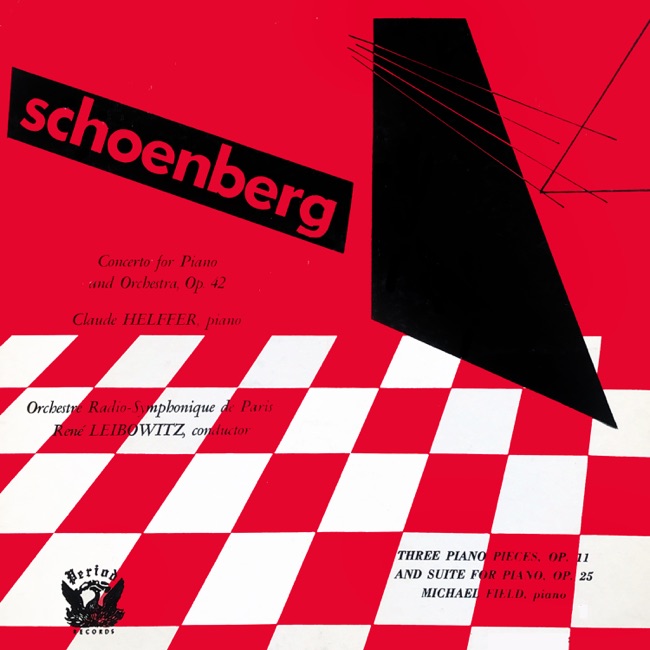
Artist Info
Role:Composer ConductorCountry: FranceBirth:February 17, 1913 in Warsaw, PolandDeath:August 29, 1972Period:ContemporaryModernGenre:ChamberKeyboardOperaSymphonyRené Leibowitz was a French composer, conductor, and music theorist who was born on February 17, 1913, in Warsaw, Poland. He was the son of a wealthy Jewish family and grew up in a musical environment. His father was a pianist, and his mother was a singer. Leibowitz began playing the piano at a young age and showed a great interest in music. In 1924, Leibowitz's family moved to Paris, France, where he continued his musical education. He studied composition with Nadia Boulanger, a renowned French composer and teacher, and music theory with Olivier Messiaen, a prominent French composer and organist. Leibowitz also studied conducting with Hermann Scherchen, a German conductor and music theorist. Leibowitz's early compositions were influenced by the music of Arnold Schoenberg and the Second Viennese School. He was also interested in the music of Igor Stravinsky and the neoclassical movement. In 1935, Leibowitz founded the Groupe des Jeunes Compositeurs, a group of young composers who were interested in exploring new musical ideas and techniques. In 1941, Leibowitz converted to Catholicism, which caused a rift between him and his family. During World War II, he joined the French Resistance and worked as a spy for the British intelligence service. He was arrested by the Gestapo in 1944 and spent several months in a concentration camp before being released. After the war, Leibowitz continued his career as a composer and conductor. He conducted the premiere of Stravinsky's "Symphony in Three Movements" in Paris in 1946 and became known for his interpretations of contemporary music. He also conducted the premiere of Pierre Boulez's "Le Marteau sans Maître" in 1955. Leibowitz was a prolific writer on music theory and published several books, including "Schoenberg et son école" (Schoenberg and His School) and "La tonalité" (Tonality). He was also a professor of music theory at the Paris Conservatory from 1959 to 1966. In 1961, Leibowitz founded the Orchestre Philharmonique de Paris, which he conducted until 1967. He also conducted the London Philharmonic Orchestra, the Royal Philharmonic Orchestra, and the Israel Philharmonic Orchestra, among others. Leibowitz's compositions include orchestral works, chamber music, and vocal music. His style was characterized by a rigorous approach to form and structure and a use of serial techniques. Some of his notable works include "Symphonie pour orchestre" (Symphony for Orchestra), "Concerto pour piano et orchestre" (Concerto for Piano and Orchestra), and "Quatuor à cordes" (String Quartet). Leibowitz received several awards and honors during his career, including the Grand Prix National de la Musique in 1957 and the Prix de la Critique Musicale in 1960. He was also made a Chevalier de la Légion d'honneur in 1962. Leibowitz died on August 19, 1972, in Paris, France, at the age of 59. He left behind a legacy as a composer, conductor, and music theorist who made significant contributions to the development of contemporary music.More....
Recent Artist Music
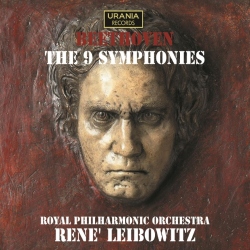
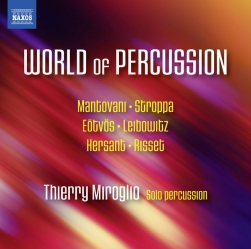
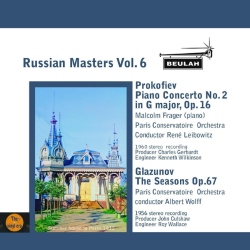
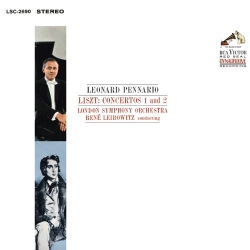
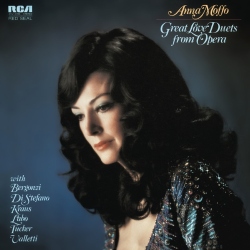
7
12:21

9
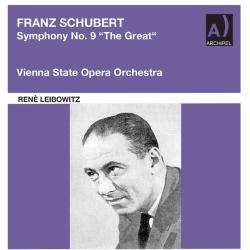
12:27
10
19:44
Recommend Playlist
Copyright Ⓒ 2013 Davinci Finger. All rights reseved
Service Terms & Policy