


Gioachino Rossini
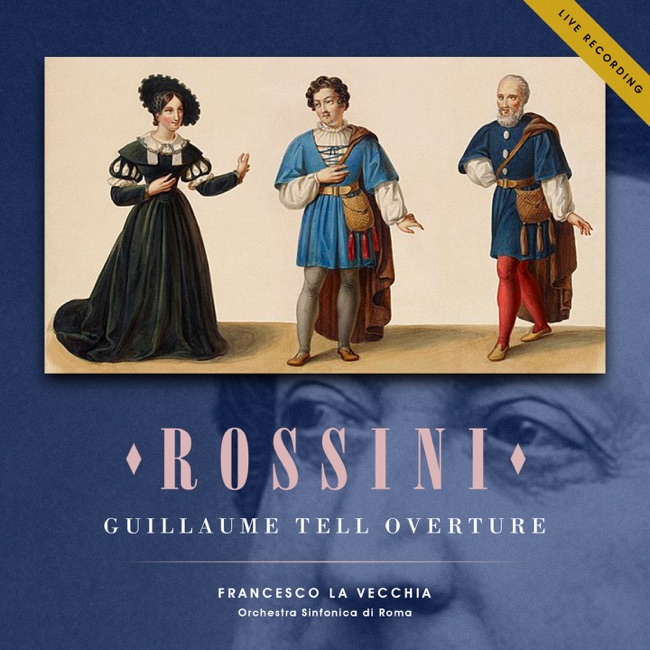
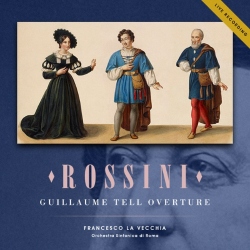
Guillaume Tell: Overture
Released Album
Recent Album



Featured Album
Works Info
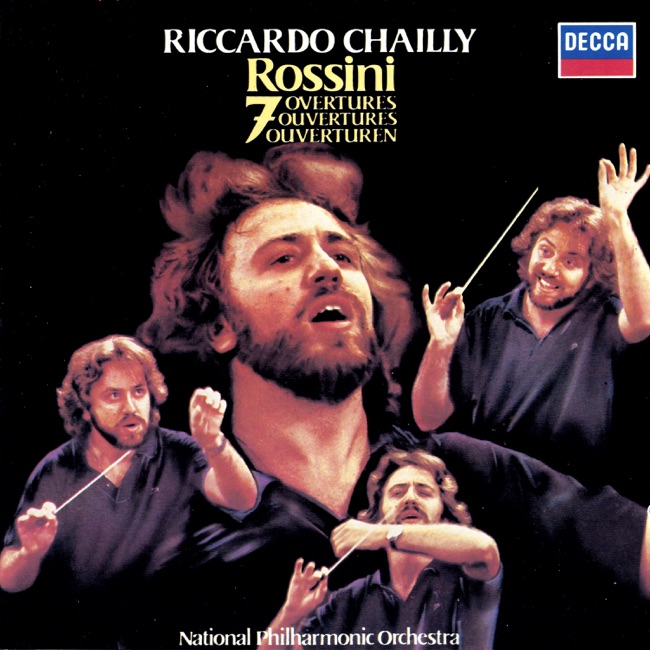
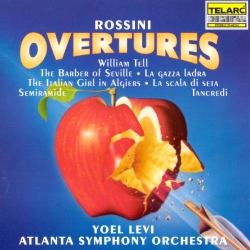
Composer:Gioachino RossiniGenre:OrchestralStyle:OvertureCompose Date:1829Average_duration:12:03Guillaume Tell: Overture is a famous composition by Gioachino Rossini, an Italian composer who lived from 1792 to 1868. The overture was composed in 1829 and premiered on August 3, 1829, at the Paris Opera. It was the last opera Rossini composed before retiring from the genre at the age of 37. The overture is divided into four movements, each with its own distinct characteristics. The first movement, titled "Dawn," begins with a soft and gentle melody played by the cellos and basses. This melody gradually builds in intensity as the other instruments join in, creating a sense of anticipation and excitement. The movement ends with a triumphant fanfare played by the brass section. The second movement, titled "Storm," is a dramatic and intense piece that depicts a violent storm. The music is fast-paced and chaotic, with the strings and woodwinds playing rapid, swirling melodies. The brass section adds to the drama with powerful blasts of sound, creating a sense of danger and urgency. The third movement, titled "Ranz des Vaches," is a pastoral piece that features a solo cor anglais (a type of woodwind instrument). The melody is simple and sweet, evoking the peacefulness of the Swiss countryside. The movement is notable for its use of the cor anglais, which was a relatively new instrument at the time and was rarely used as a solo instrument in orchestral music. The final movement, titled "Finale," is a rousing and triumphant piece that brings the overture to a close. The music is fast-paced and energetic, with the brass section playing a prominent role. The movement features several memorable melodies, including a famous trumpet fanfare that has become one of the most recognizable pieces of classical music. Overall, Guillaume Tell: Overture is a masterful composition that showcases Rossini's skill as a composer. The piece is notable for its use of contrasting moods and styles, from the gentle and pastoral to the dramatic and intense. It is a fitting tribute to the Swiss hero William Tell, who inspired the opera of the same name.More....
Works Music
Released Music
6
11:22
7
12:12


Featured Music
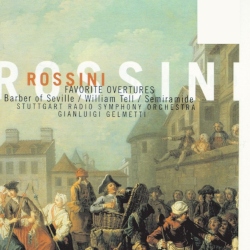
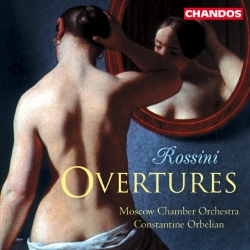
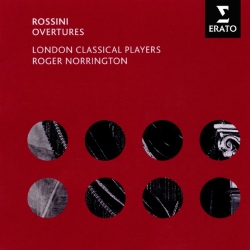
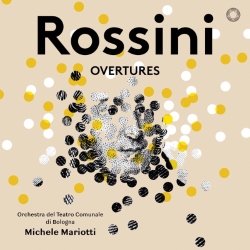
Recommend Playlist






Main Perform Artists