


Jean Sibelius
Luonnotar, Op. 70
Released Album
Recent Album



Featured Album



Works Info
Composer:Jean SibeliusGenre:OrchestralStyle:Tone PoemCompose Date:1913Average_duration:9:21"Luonnotar, Op. 70" is a tone poem composed by Jean Sibelius in 1913. The piece is based on a Finnish myth about the creation of the world. The premiere of the piece was on September 10, 1913, in Helsinki, Finland, with Aino Ackté as the soloist and Robert Kajanus conducting the Helsinki Philharmonic Orchestra. The piece is divided into three movements, each representing a different aspect of the myth. The first movement, "The Birth of the World," begins with a solo soprano voice singing the opening lines of the myth. The orchestra then enters, creating a sense of chaos and confusion, representing the chaos of the universe before its creation. The movement builds to a climax, with the soprano voice soaring above the orchestra, representing the birth of the world. The second movement, "The Maiden's Lament," is a slower, more introspective movement. The soprano voice sings of the loneliness and sadness of the maiden who created the world. The orchestra provides a haunting accompaniment, with the strings and woodwinds creating a sense of melancholy. The final movement, "The Maiden's Dance," is a lively and energetic movement. The soprano voice sings of the joy and celebration of the maiden as she dances in celebration of the world she has created. The orchestra provides a lively accompaniment, with the brass and percussion creating a sense of excitement and energy. Overall, "Luonnotar, Op. 70" is a powerful and evocative piece of music. Sibelius's use of the soprano voice and orchestra creates a sense of drama and emotion, bringing the Finnish myth to life. The piece is a testament to Sibelius's skill as a composer and his ability to capture the essence of a story through music.More....
Works Music
Released Music




Featured Music



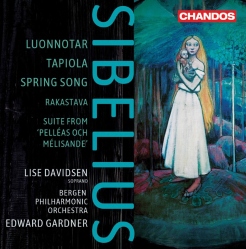

Main Perform Artists
Soprano Vocal
Soprano Vocal
Soprano Vocal