


Jean-Marie Leclair
Released Album
Chamber
-
-
 February 26, 2024
 -
 February 23, 2024
 -
-
 August 18, 2023
 -
 April 14, 2023
Concerto
-
 September 15, 2023
 -
 March 24, 2023
 -
 September 16, 2022
 -
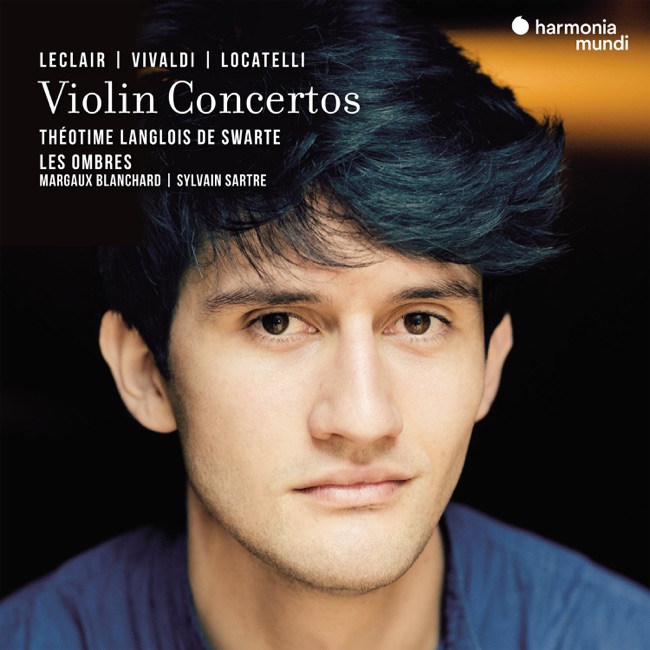 February 18, 2022
 -
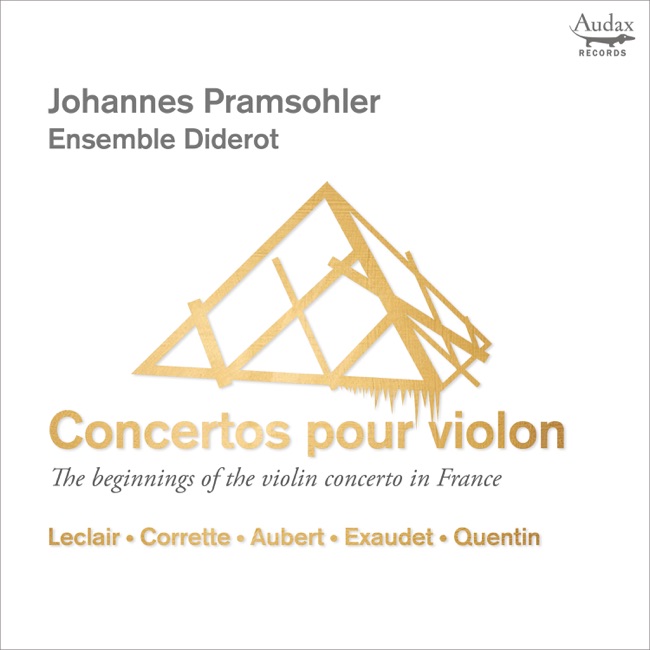
-
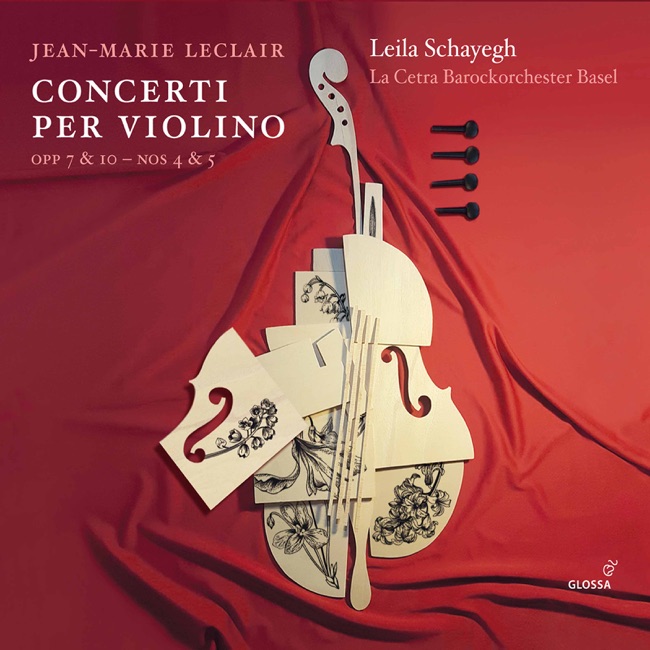 January 21, 2022
Opera
-
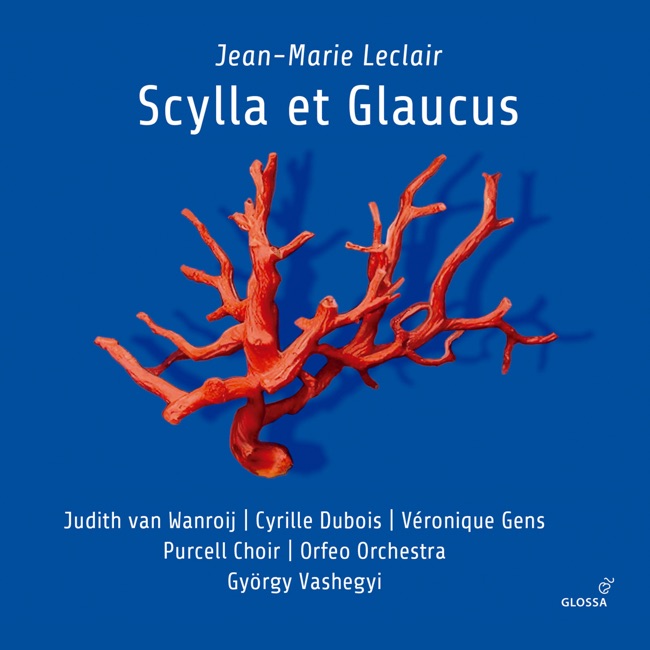 October 20, 2023
 -
-
 September 23, 2022
 -
 January 31, 2020
 -
 May 5, 2017
 -
Artist Info
Role:ComposerCountry: FranceBirth:May 10, 1697 in Lyon, FranceDeath:October 22, 1764 in Paris, FrancePeriod:BaroqueGenre:ChamberConcertoJean-Marie Leclair was a French Baroque composer and violinist who was born on May 10, 1697, in Lyon, France. He was the eldest son of a musical family, and his father, Jean Leclair, was a violinist and composer. Jean-Marie Leclair began his musical education under his father's tutelage and quickly showed great promise as a violinist. At the age of sixteen, Leclair moved to Turin, Italy, where he studied with Giovanni Battista Somis, a renowned violinist and composer. Leclair's time in Italy was formative, and he absorbed the Italian style of music, which would influence his compositions throughout his career. In 1723, Leclair returned to France and settled in Paris, where he quickly established himself as a leading violinist and composer. He performed regularly at the Concert Spirituel, a popular concert series in Paris, and his compositions were well-received by audiences and critics alike. Leclair's music was characterized by its elegance, lyricism, and technical virtuosity. He was particularly skilled at writing for the violin, and his works for the instrument are considered some of the finest of the Baroque era. Leclair's music was also notable for its incorporation of Italian and French styles, which he blended together to create a unique and distinctive sound. Leclair's most famous works include his six violin concertos, which were published in 1737. These concertos are considered some of the finest examples of the Baroque concerto form and showcase Leclair's technical virtuosity as a violinist and composer. Leclair's other notable works include his sonatas for violin and basso continuo, which were published in 1723, and his trio sonatas, which were published in 1730. In addition to his work as a composer, Leclair was also a respected violin teacher. He taught several prominent students, including Jean-Marie Leclair the younger, who was also a violinist and composer. Despite his success as a musician, Leclair's personal life was marked by tragedy. In 1733, he married Louise Roussel, a dancer at the Paris Opera. The marriage was tumultuous, and in 1737, Leclair left his wife and moved to the Netherlands. He continued to compose and perform, but his personal life was plagued by financial difficulties and marital problems. In 1764, Leclair was found dead in his home in Paris. The circumstances of his death are unclear, but it is believed that he was murdered by an unknown assailant. His death was a tragic end to the life of one of the most talented and influential composers of the Baroque era. Despite his untimely death, Leclair's music continued to be performed and admired in the years following his passing. His works for the violin remain some of the most beloved and frequently performed pieces in the Baroque repertoire, and his influence can be heard in the music of later composers such as Mozart and Beethoven. In conclusion, Jean-Marie Leclair was a talented and influential composer and violinist who made significant contributions to the Baroque era of music. His works for the violin are considered some of the finest of the era, and his incorporation of Italian and French styles created a unique and distinctive sound. Despite his personal struggles, Leclair's music continues to be admired and performed today, and his legacy as a composer and musician remains secure.More....
Recent Artist Music
3
1:53
4
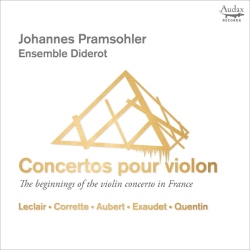
5:27
6
5:31
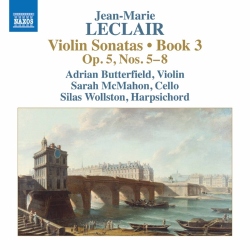
8
4:51
9
3:56
10
3:34
11
3:23
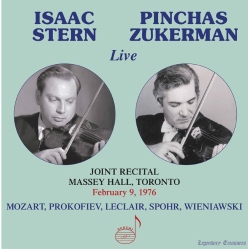
13
2:45
14
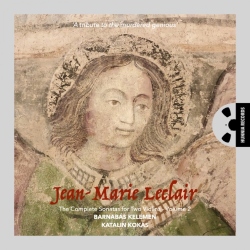
3:14
15
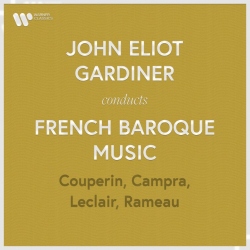
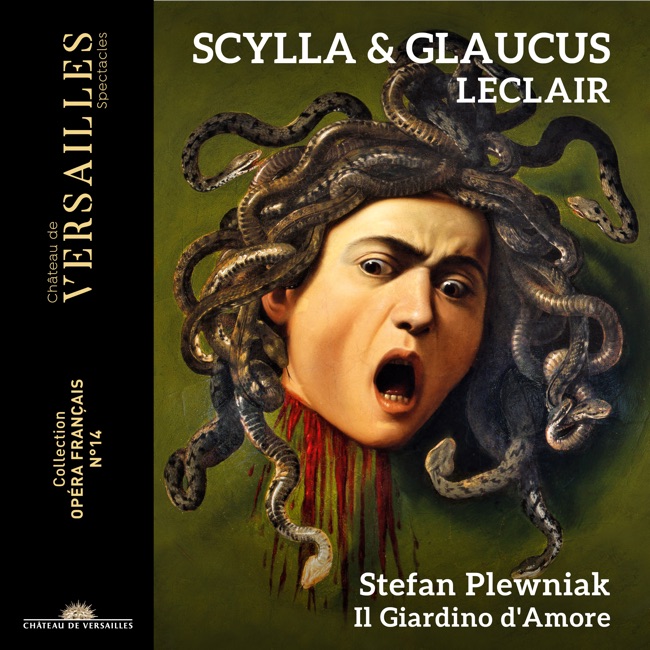
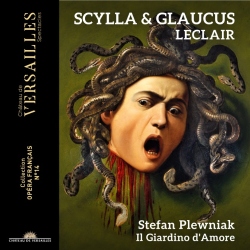
Scylla and Glaucus, tragedy in music, Op. 11
Act 2: Passacaille - 'Amants dont le prix n'est qu'un fier mépris'
5:46
Recommend Playlist













Related Artists
Copyright Ⓒ 2013 Davinci Finger. All rights reseved
Service Terms & Policy