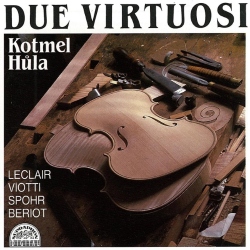
Jean-Marie Leclair
Sonata for 2 violins in E minor, Op. 3/5
Released Album
Recent Album
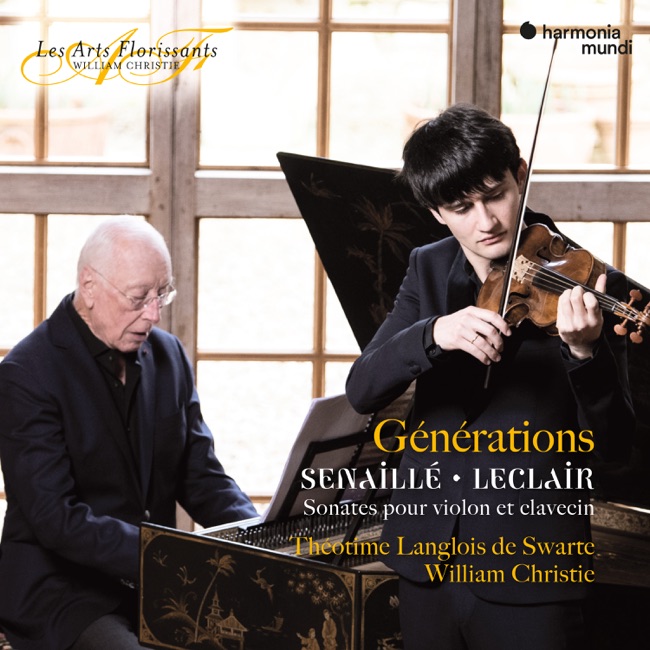
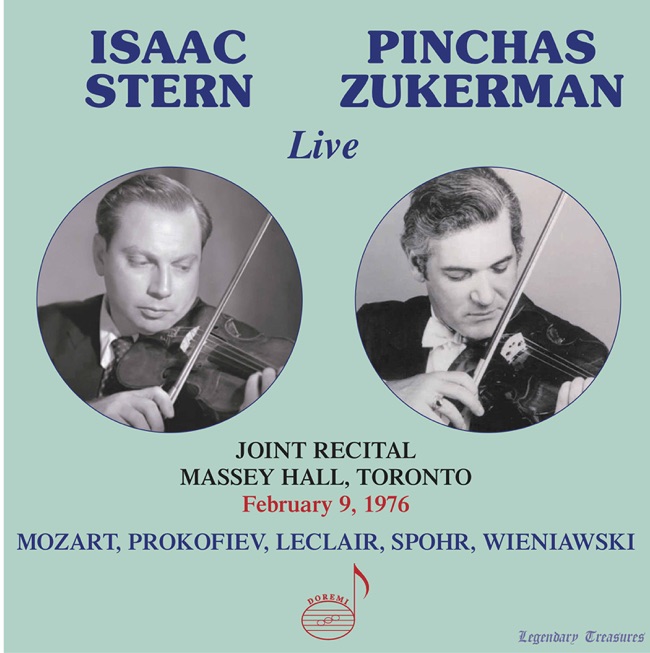
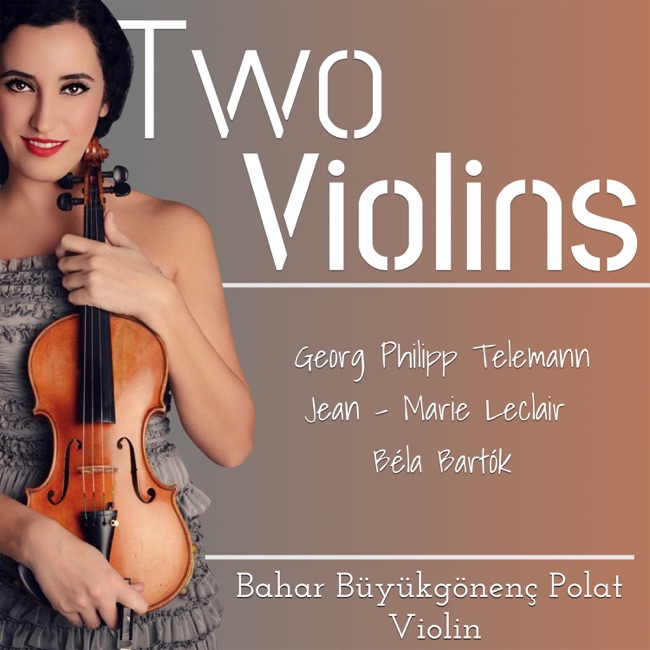
Works Info
Composer:Jean-Marie LeclairGenre:ChamberStyle:Chamber MusicPublication Date:1730Average_duration:11:04Movement_count:3Movement ....Jean-Marie Leclair's Sonata for 2 violins in E minor, Op. 3/5 is a masterpiece of Baroque music. It was composed in the early 18th century and premiered in Paris, France. The sonata is divided into four movements, each with its own unique characteristics. The first movement, marked Andante, is a slow and expressive introduction to the sonata. It begins with a simple melody played by the first violin, which is then echoed by the second violin. The two violins then engage in a dialogue, passing the melody back and forth between them. The movement ends with a brief coda that brings the introduction to a close. The second movement, marked Allegro ma poco, is a lively and energetic dance. The violins play in unison for much of the movement, creating a sense of unity and harmony. However, there are also moments of contrast, where the two violins play different melodies or rhythms. The movement ends with a flourish, as the violins play a series of rapid-fire notes. The third movement, marked Sarabande, is a slow and stately dance. It is characterized by its long, flowing melodies and its use of ornamentation. The violins play in harmony for much of the movement, but there are also moments where they play in counterpoint, creating a sense of tension and release. The movement ends with a gentle cadence that leads into the final movement. The fourth and final movement, marked Allegro, is a fast and lively dance. It is characterized by its use of syncopation and its rapid-fire melodies. The violins play in unison for much of the movement, but there are also moments where they play in counterpoint, creating a sense of complexity and depth. The movement ends with a triumphant flourish, bringing the sonata to a close. Overall, Leclair's Sonata for 2 violins in E minor, Op. 3/5 is a masterful work of Baroque music. Its four movements showcase the composer's skill at creating complex and engaging melodies, as well as his ability to use harmony and counterpoint to create a sense of tension and release. It remains a beloved work of classical music to this day.More....
Works Music
Released Music
3
4:18