Jean-Marie Leclair
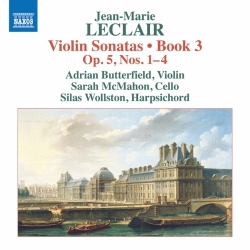
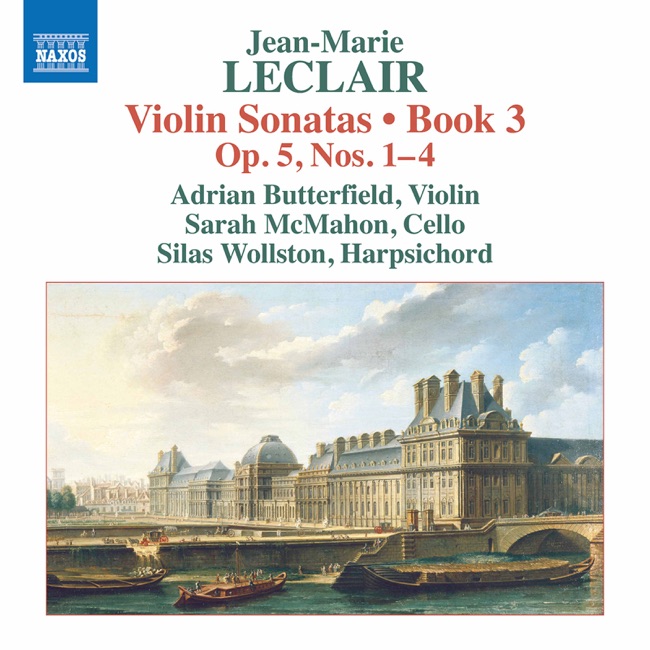
Sonata for violin & continuo in A major, Op. 5/1
Released Album
Recent Album
Works Info
Composer:Jean-Marie LeclairGenre:ChamberStyle:Chamber MusicPublication Date:1734Jean-Marie Leclair's Sonata for violin & continuo in A major, Op. 5/1 is a Baroque composition that was composed in the early 18th century. The exact date of composition is not known, but it is believed to have been written around 1720. The sonata was premiered in Paris, where Leclair was a prominent violinist and composer. The sonata consists of four movements: Adagio, Allegro, Sarabanda, and Giga. The first movement, Adagio, is a slow and expressive introduction that sets the tone for the rest of the sonata. The second movement, Allegro, is a lively and energetic piece that showcases the virtuosity of the violinist. The third movement, Sarabanda, is a slow and stately dance that is characterized by its melancholic and introspective mood. The final movement, Giga, is a fast and lively dance that brings the sonata to a joyful and exuberant conclusion. The sonata is characterized by its use of the Baroque style, which is characterized by its ornate and elaborate melodies, complex harmonies, and intricate counterpoint. Leclair's Sonata for violin & continuo in A major, Op. 5/1 is a prime example of this style, with its intricate and virtuosic violin parts, complex harmonies, and elaborate ornamentation. The sonata is also notable for its use of the continuo, which is a type of accompaniment that was commonly used in Baroque music. The continuo consists of a bass instrument, such as a cello or a bassoon, and a chordal instrument, such as a harpsichord or a lute. The continuo provides a harmonic foundation for the violinist to play over, and it adds depth and richness to the overall sound of the sonata. Overall, Jean-Marie Leclair's Sonata for violin & continuo in A major, Op. 5/1 is a masterpiece of Baroque music. Its intricate melodies, complex harmonies, and virtuosic violin parts make it a challenging and rewarding piece for both performers and listeners alike.More....
Works Music