


Jean-Marie Leclair
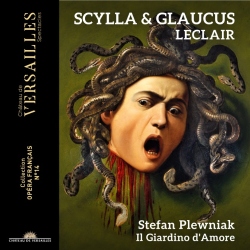
Scylla et Glaucus, tragèdie en musique, Op. 11
Released Album
Recent Album
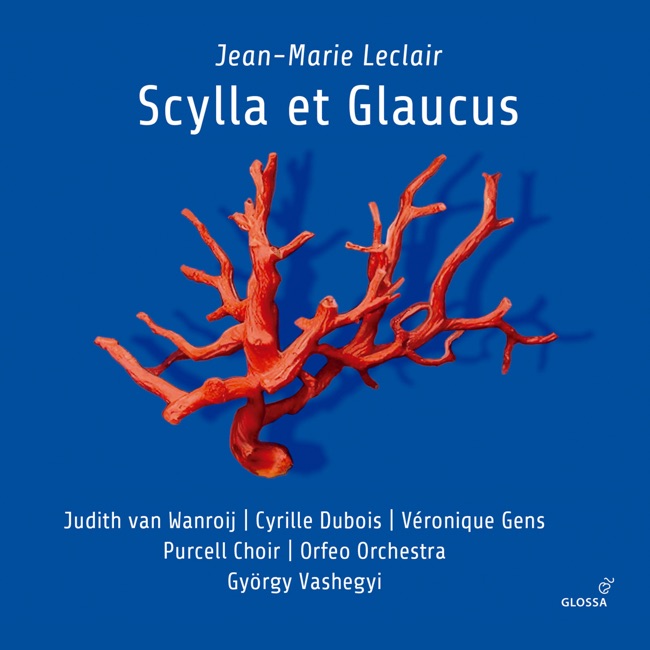

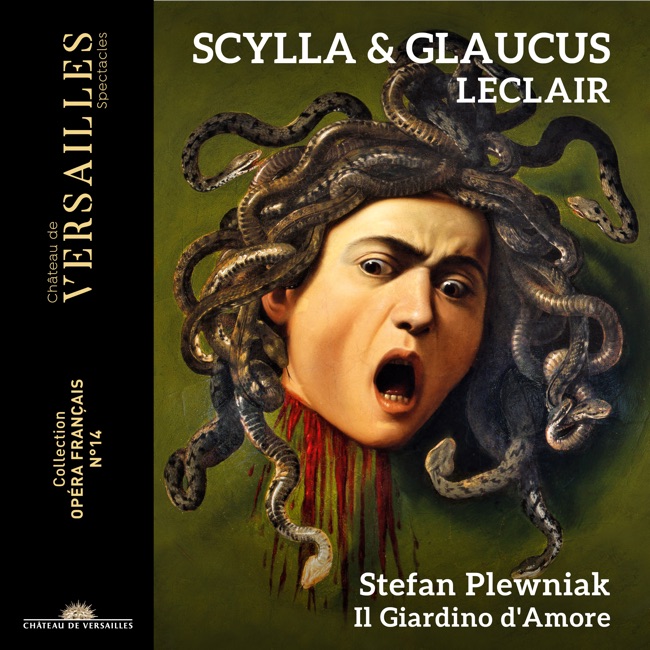
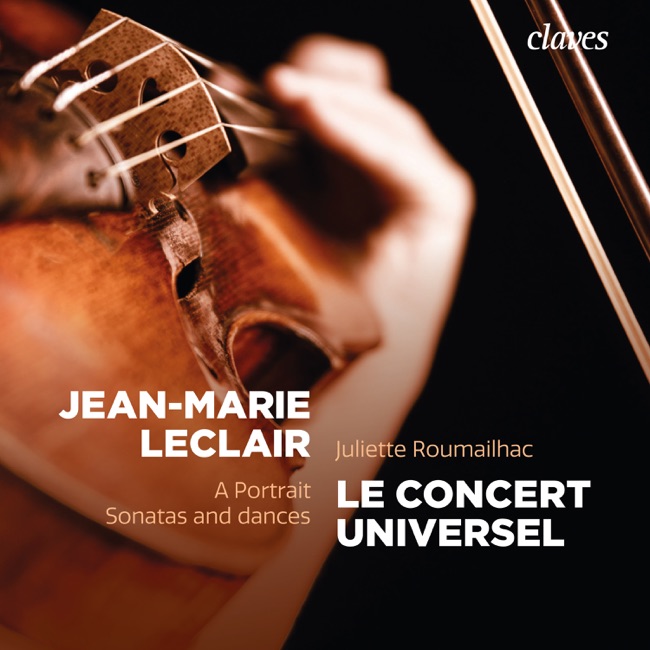
Featured Album
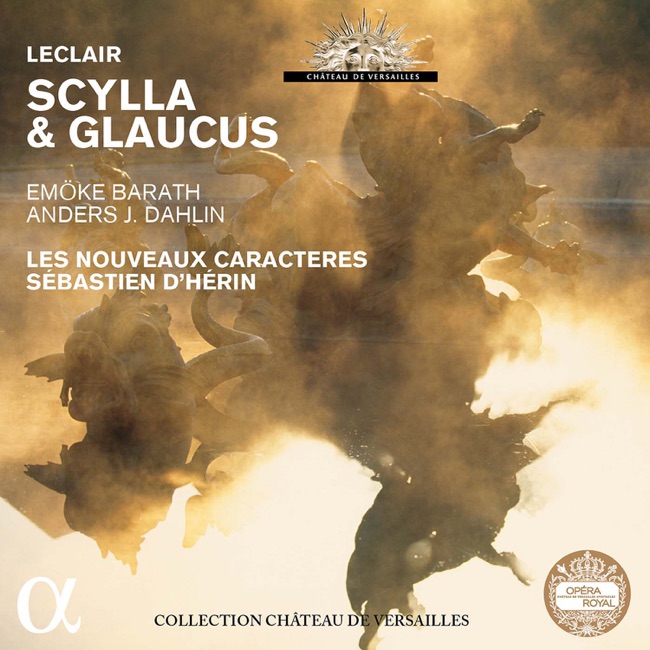
Works Info
Composer:Jean-Marie LeclairGenre:OperaStyle:OperaCompose Date:1746Publication Date:1746First Performance:Oct 4, 1746Average_duration:169:31Scylla et Glaucus, tragèdie en musique, Op. 11 is an opera composed by Jean-Marie Leclair in 1746. The plot of the opera is based on the Greek myth of Scylla and Glaucus. Scylla, a beautiful nymph, falls in love with Glaucus, a sea god. However, Glaucus is in love with another nymph, Circe. In a fit of jealousy, Scylla betrays Glaucus to Circe, who turns him into a monster. Scylla is then transformed into a sea monster herself, and the two are forever separated. The opera premiered on October 10, 1746, at the Académie Royale de Musique in Paris. It was well-received by audiences and critics alike, and was praised for its innovative use of orchestration and vocal techniques. Scylla et Glaucus is composed of five movements, each of which is characterized by its own unique musical style and instrumentation. The first movement is a prologue, which sets the stage for the opera and introduces the main characters. The second movement is a pastoral scene, which features a duet between Scylla and Glaucus. The third movement is a storm scene, which is characterized by its dramatic use of percussion and brass instruments. The fourth movement is a love scene, which features a duet between Scylla and Circe. The final movement is a lament, which is sung by Scylla as she mourns the loss of her love. One of the most notable characteristics of Scylla et Glaucus is its use of vocal techniques. Leclair was known for his innovative approach to vocal music, and this opera is no exception. The vocal lines are often highly ornamented, and the singers are required to perform a wide range of vocal techniques, including trills, runs, and leaps. Overall, Scylla et Glaucus is a masterpiece of French Baroque opera. Its innovative use of orchestration and vocal techniques, combined with its compelling plot and memorable characters, have made it a favorite among audiences and critics alike.More....
Works Music
Released Music
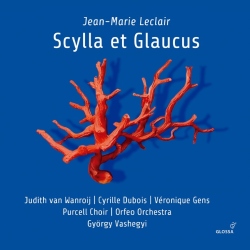
2
4:14
3

Scylla and Glaucus, tragedy in music, Op. 11
Act 4: 'Brillante fille de Latone' - Deuxième air des démons
3:10
4
Scylla and Glaucus, tragedy in music, Op. 11
Act 2: Passacaille - 'Amants dont le prix n'est qu'un fier mépris'
5:46
5
3:34
6
1:41
9
5:30
Featured Music
1
3:55
2
1:55
3
1:14
5
1:43
7
4:24
8
3:2
12
3:
Main Perform Artists
Harpsichord
Viola da Gamba
Violin
Vocals
Vocals