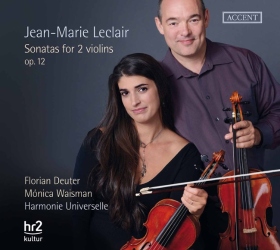
Jean-Marie Leclair
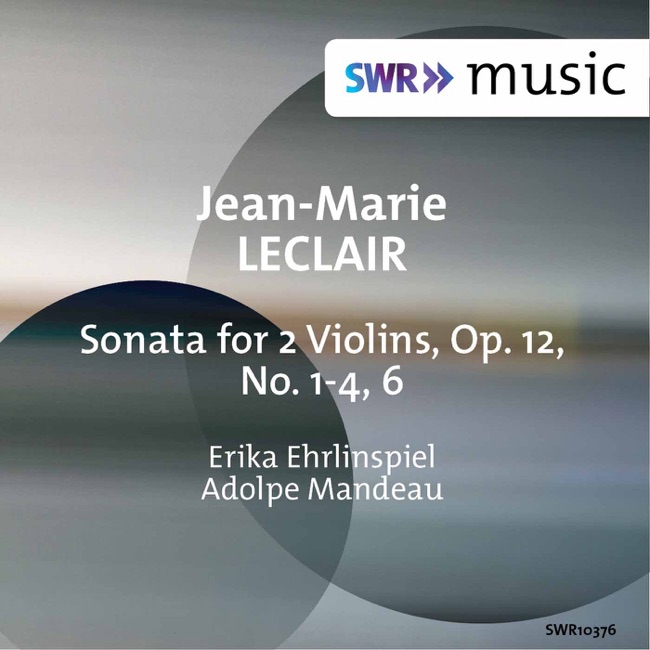
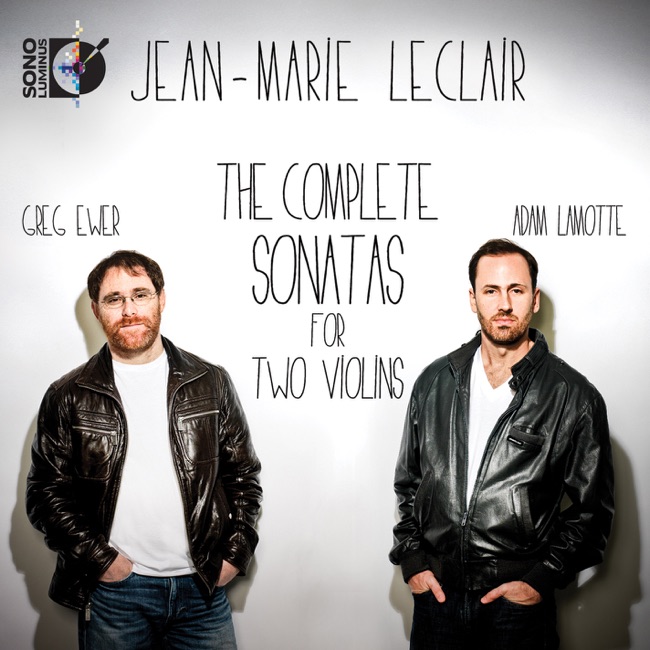
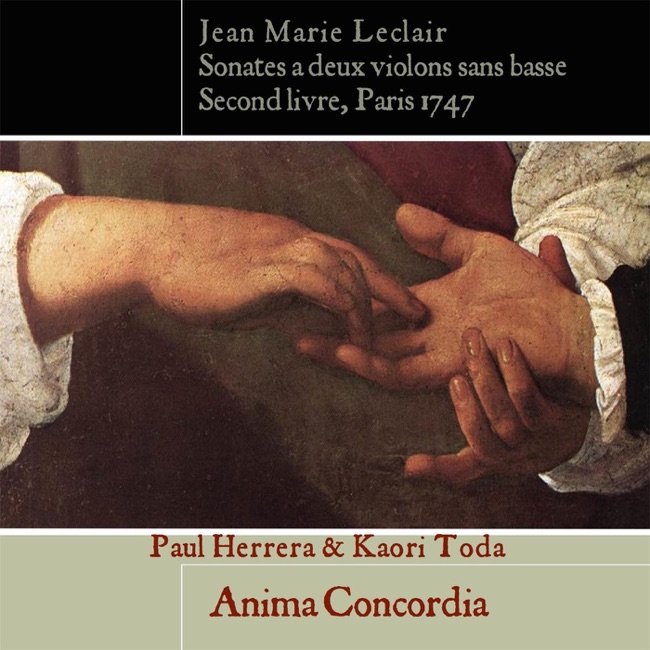
Sonata for 2 violins in D major, Op. 12/3
Released Album
Recent Album

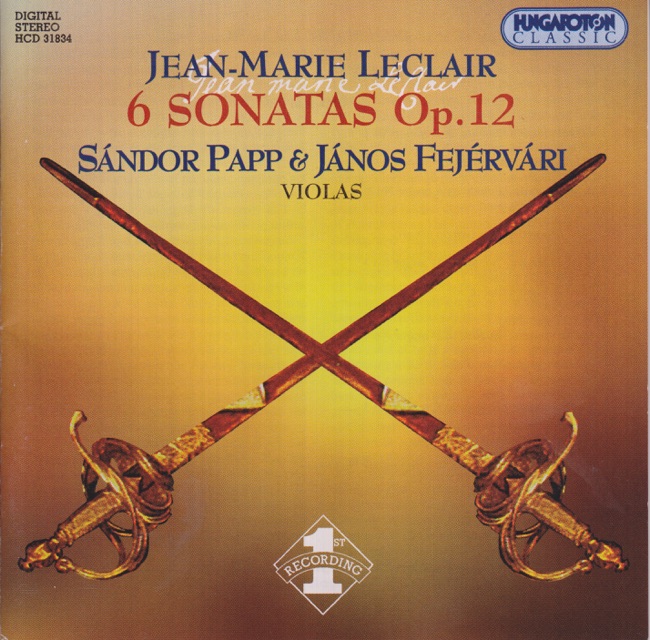
Featured Album
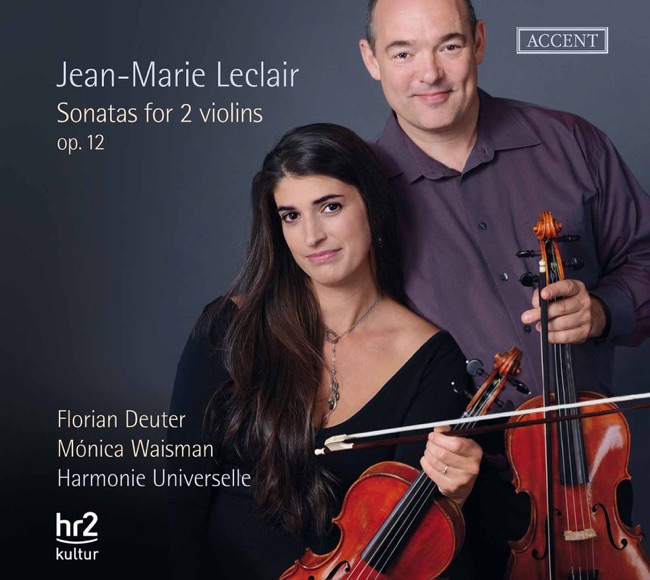
Works Info
Composer:Jean-Marie LeclairGenre:ChamberStyle:SonataPublication Date:ca. 1747 - 1749Average_duration:9:28Movement_count:4Movement ....Jean-Marie Leclair's Sonata for 2 violins in D major, Op. 12/3 is a beautiful piece of music that was composed in the Baroque era. It was first premiered in Paris in 1730 and has since become a popular piece among violinists. The sonata consists of four movements, each with its own unique characteristics. The first movement is marked Allegro and is in a lively 4/4 time signature. It begins with a cheerful melody played by both violins in unison, which is then developed throughout the movement. The second movement is marked Aria and is in a slower 3/4 time signature. It features a beautiful melody played by the first violin, with the second violin providing a delicate accompaniment. The third movement is marked Sarabanda and is in a slow 3/4 time signature. It is a more somber and introspective movement, with both violins playing in harmony. The final movement is marked Allegro assai and is in a fast 3/8 time signature. It is a lively and energetic movement, with both violins playing in unison and showcasing their technical abilities. One of the characteristics of this sonata is its use of counterpoint, which is a technique where two or more melodies are played simultaneously. Leclair was known for his skill in writing counterpoint, and this sonata is a great example of his mastery of the technique. Another characteristic of the sonata is its use of ornamentation, which was a common feature of Baroque music. The violinists are expected to add their own embellishments to the music, which adds to the beauty and complexity of the piece. Overall, Jean-Marie Leclair's Sonata for 2 violins in D major, Op. 12/3 is a wonderful example of Baroque music. Its four movements showcase the technical abilities of the violinists while also highlighting the beauty of the melodies and the complexity of the counterpoint. It is a piece that is still enjoyed by audiences and violinists alike, more than 200 years after it was first composed.More....
Works Music
Released Music
7
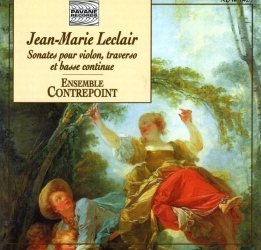
Sonata for 2 violins in D major, Op. 12/3
Sonata No. 8 for 3 instruments, in D major: Allegro assai
1:57

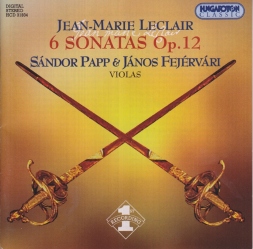
Featured Music