


Easley Blackwood
Released Album
Chamber
-
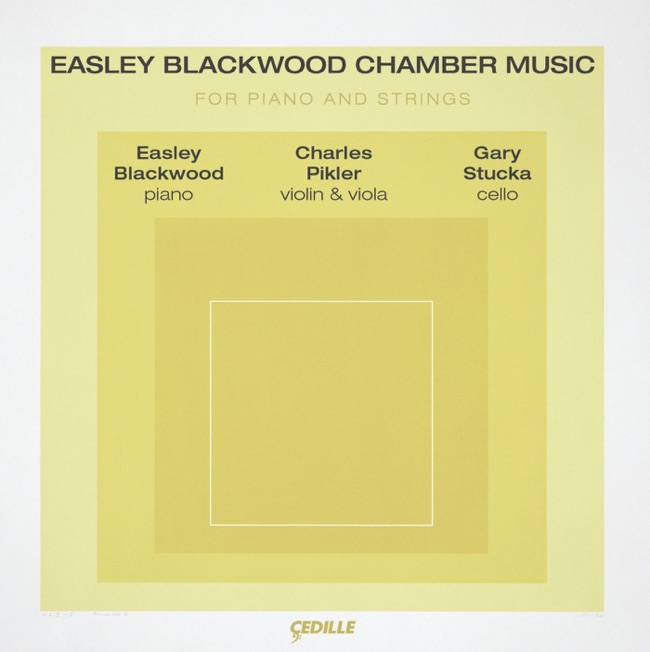 April 26, 2005
 -
 November 25, 2003
 -
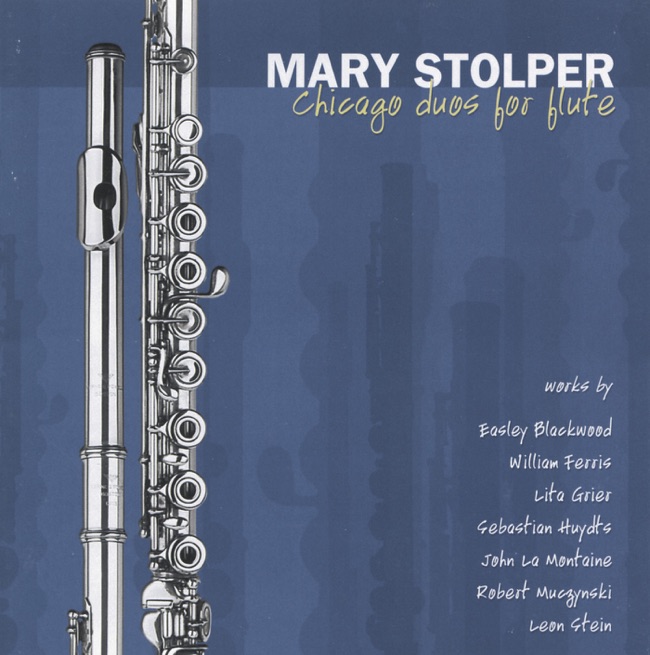 November 25, 2003
 -
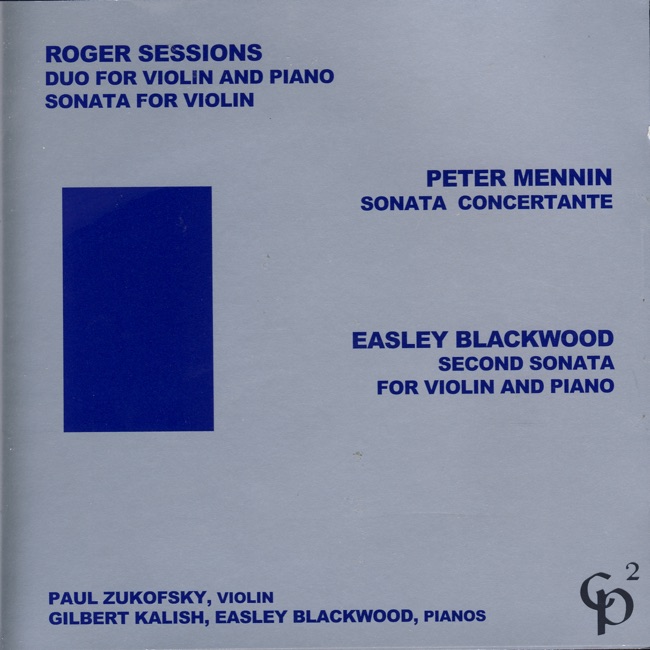
-
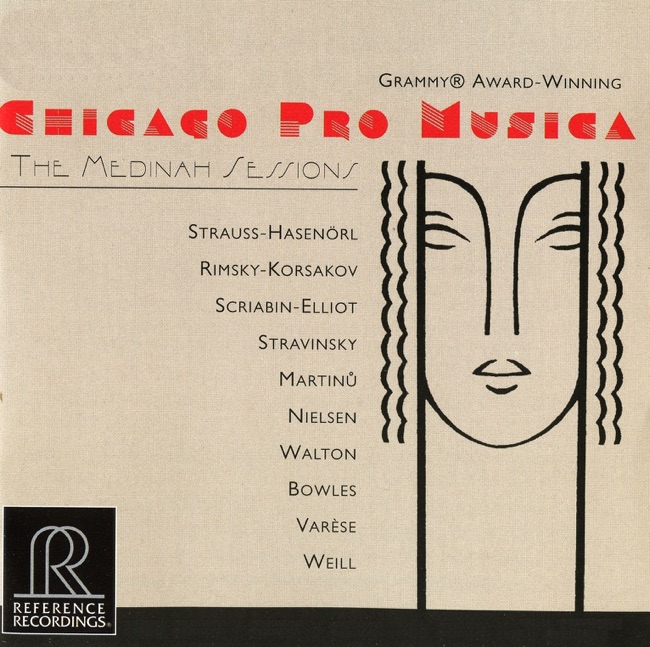 August 7, 2001
 -
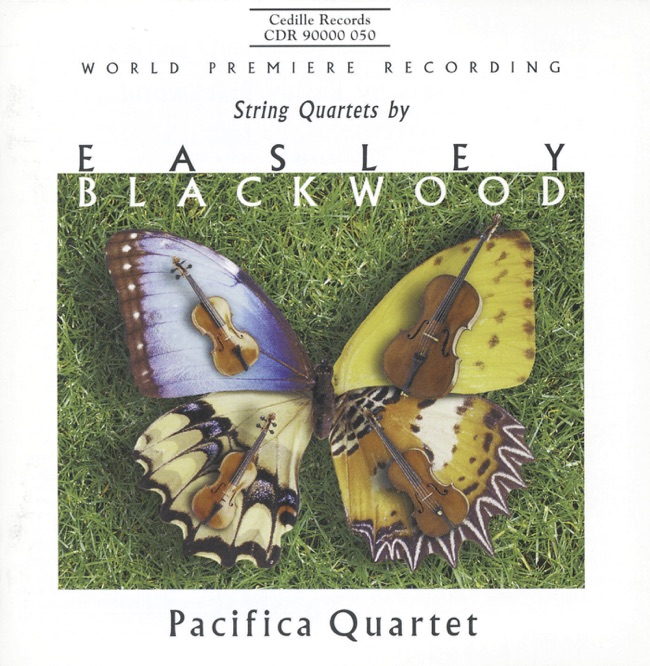 March 15, 2000
Keyboard
-
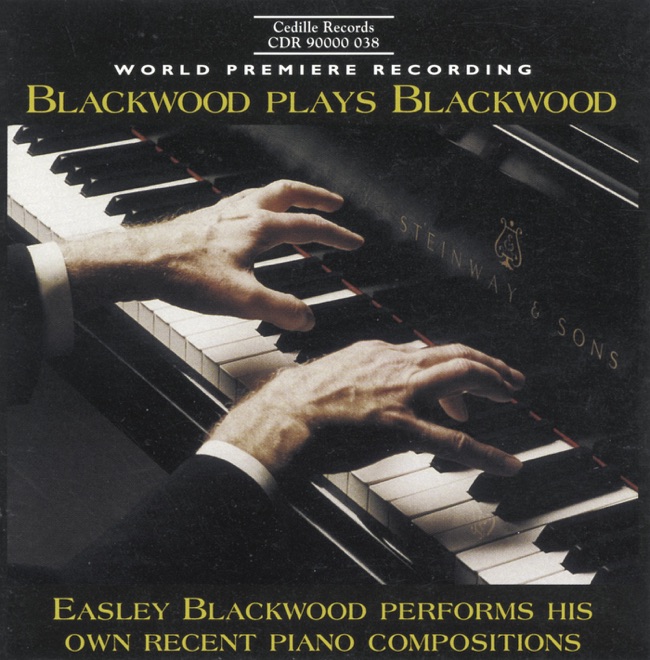 August 10, 2000
 -
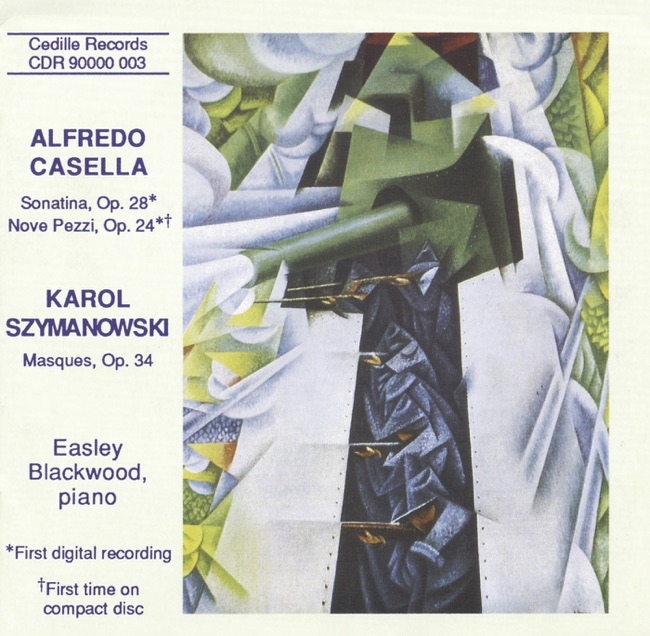 October 7, 1996
 -
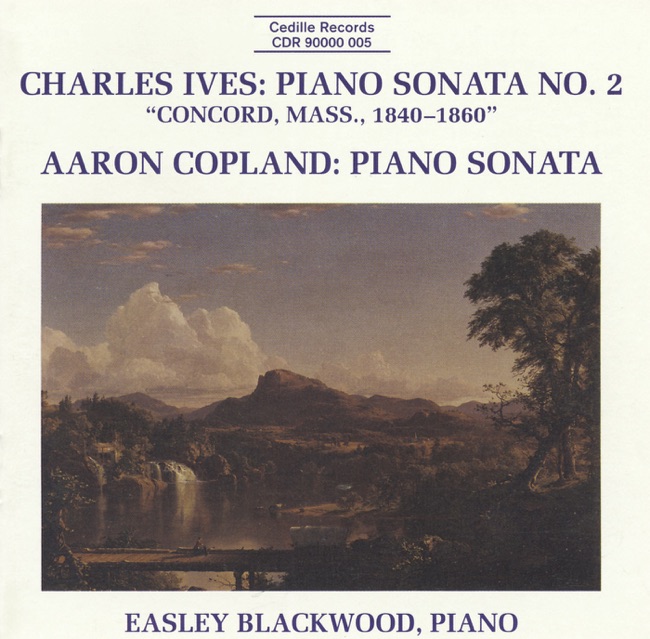
-
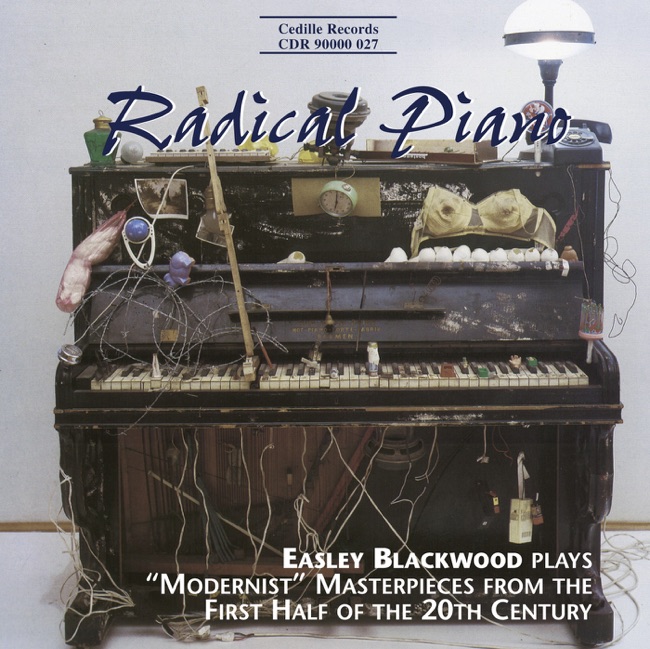 August 24, 1996
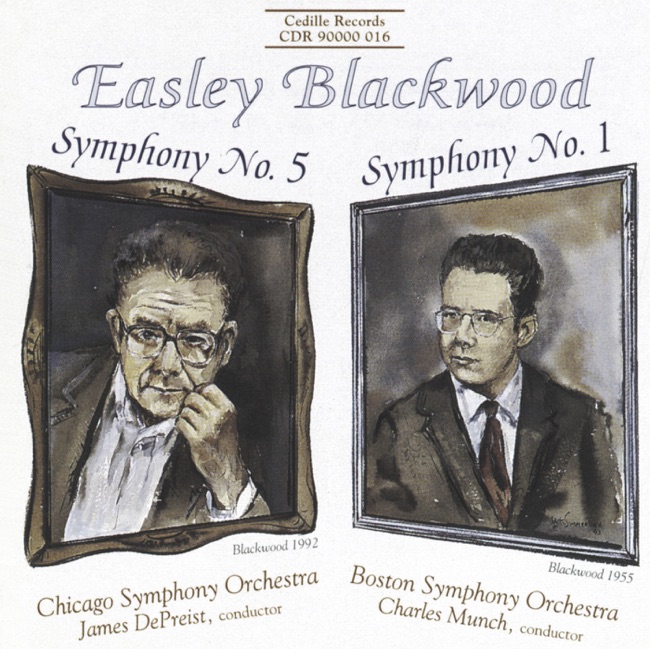
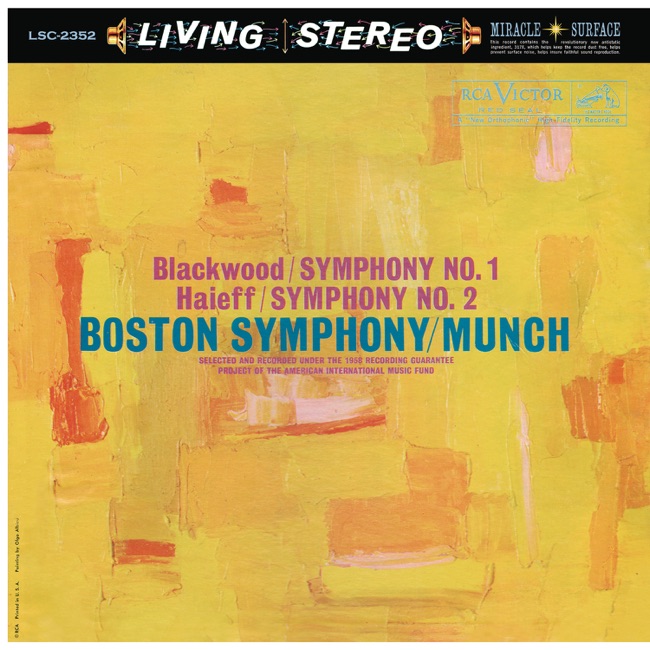
Symphony
Artist Info
Role:ComposerCountry: United States of AmericaBirth:April 21, 1933 in Indianapolis, INPeriod:ContemporaryModernGenre:Avant-GardeChamberKeyboardEasley Blackwood is an American composer, pianist, and educator who has made significant contributions to the world of classical music. Born on April 21, 1933, in Indianapolis, Indiana, Blackwood grew up in a musical family. His father was a violinist, and his mother was a pianist. Blackwood began playing the piano at a young age and showed a natural talent for music. Blackwood attended the University of Chicago, where he earned a Bachelor of Arts degree in music in 1954. He then went on to study at the Yale School of Music, where he earned a Master of Music degree in composition in 1956. Blackwood also studied with renowned composers such as Paul Hindemith and Nadia Boulanger. Blackwood's early compositions were influenced by the serialism and atonality of the mid-20th century. However, he soon began to develop his own unique style, which combined elements of tonality and serialism. His music is characterized by its complex harmonies, intricate rhythms, and use of unconventional scales and modes. One of Blackwood's most significant works is his Symphony No. 1, which he composed in 1962. The symphony is a large-scale work that showcases Blackwood's unique style and compositional techniques. It is scored for a large orchestra and features complex harmonies and rhythms. The symphony was well-received by critics and helped establish Blackwood as a major figure in contemporary classical music. In addition to his work as a composer, Blackwood is also an accomplished pianist. He has performed as a soloist with many major orchestras, including the Chicago Symphony Orchestra and the New York Philharmonic. Blackwood is also a respected educator and has taught at several universities, including the University of Chicago and the University of Illinois. Blackwood's later works continued to explore his unique style and compositional techniques. One of his most notable works from this period is his Piano Sonata No. 1, which he composed in 1985. The sonata is a virtuosic work that showcases Blackwood's pianistic abilities and compositional skills. It is characterized by its complex harmonies and rhythms and its use of unconventional scales and modes. Another significant work from this period is Blackwood's Concerto for Clarinet and Orchestra, which he composed in 1990. The concerto is a challenging work that showcases the virtuosic abilities of the clarinet soloist. It is scored for a large orchestra and features complex harmonies and rhythms. Blackwood's contributions to the world of classical music have been significant. His unique style and compositional techniques have influenced many other composers, and his works continue to be performed and studied today. Blackwood's legacy as a composer, pianist, and educator is a testament to his dedication to the art of classical music.More....
Recent Artist Music
10
7:22

13
Sonata for violin & piano No. 1, Op. 1
II. Allegro molto; Andante moderato; Scherzando; Piu Rubato e con fantasia; Poco meno mosso; Lostes
4:53

Copyright Ⓒ 2013 Davinci Finger. All rights reseved
Service Terms & Policy