


Elliott Carter
Released Album
Chamber
-
 February 16, 2024
 -
 August 31, 2023
 -

-
 May 21, 2021
 -
 February 26, 2021
 -
 January 1, 2021
Keyboard
-
 March 26, 2021
 -
 November 20, 2020
 -
 July 17, 2020
 -
 April 24, 2020
 -
 July 20, 2018
 -
 July 6, 2018
Concerto
-
-

-
-
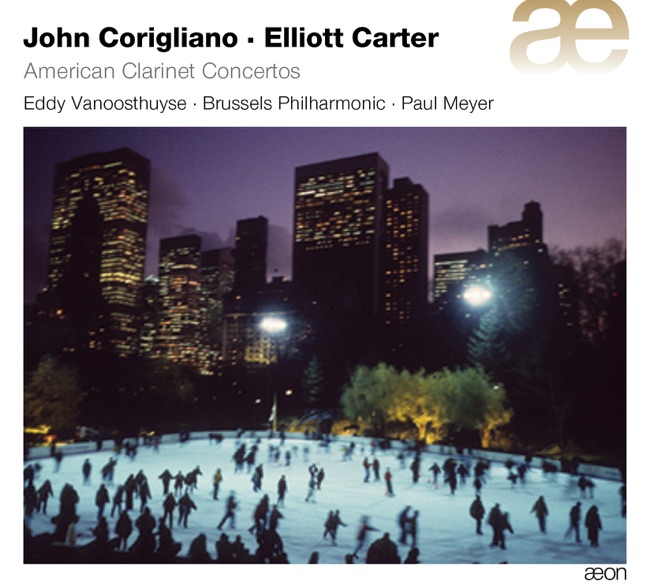 November 26, 2012
 -
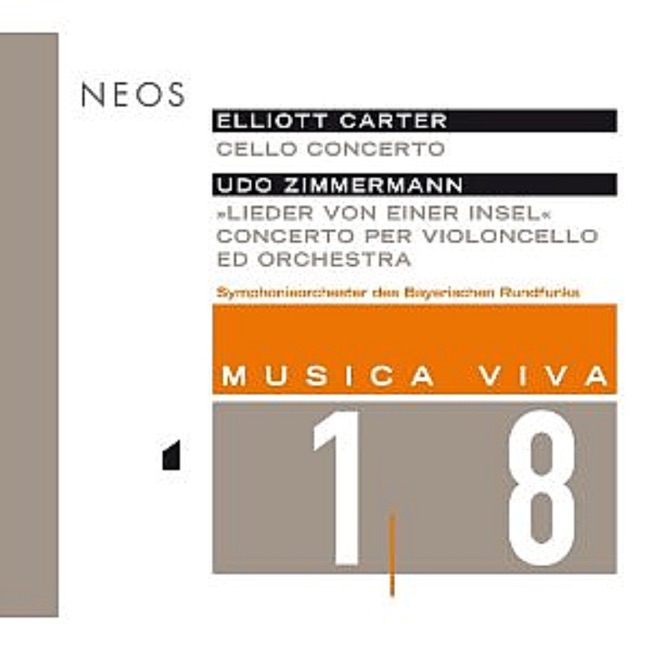 September 28, 2010
 -
 June 24, 2008
Vocal
-
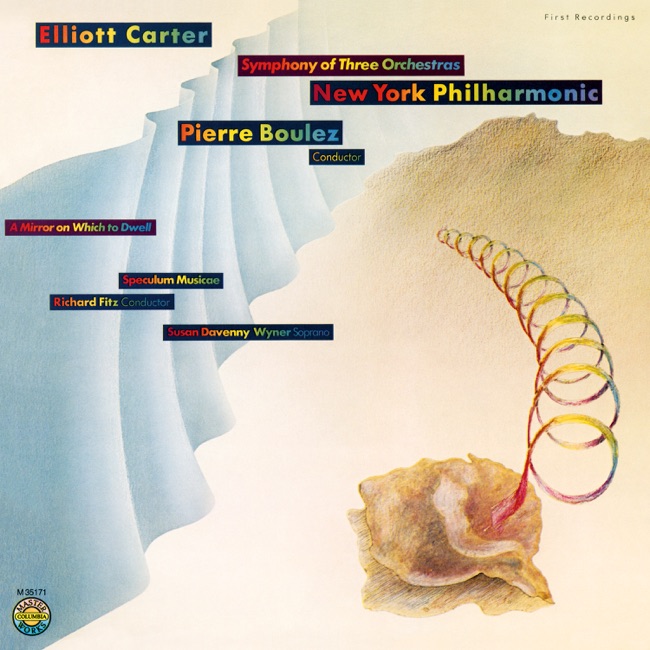
-
 August 8, 2017
 -
 November 11, 2016
 -
 September 24, 2013
 -
 February 27, 2012
 -
 February 9, 2010
Artist Info
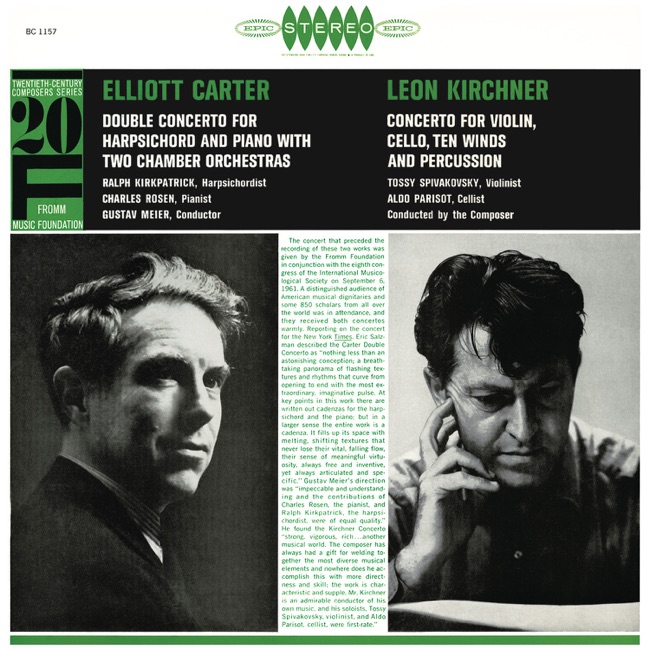
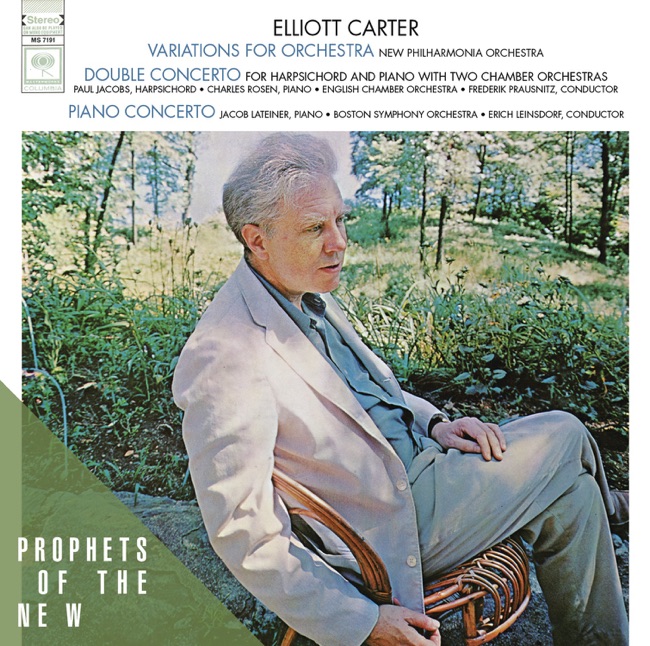
Role:Composer ConductorCountry: United States of AmericaBirth:December 11, 1908 in New York City, NYDeath:November 5, 2012 in New York City, NYPeriod:ContemporaryModernGenre:ChamberConcertoOrchestralVocalElliott Carter was an American composer who was born on December 11, 1908, in New York City. He was the son of a wealthy lace importer and grew up in a privileged environment. His mother was a pianist, and his father was a lover of music, which led to Carter's early exposure to classical music. Carter began playing the piano at the age of eight and started composing at the age of 13. He attended Harvard University, where he studied music with Walter Piston and Gustav Holst. After graduating in 1930, he went to Paris to study with Nadia Boulanger, who was a renowned composition teacher. Carter's early works were influenced by the neoclassical style of Stravinsky and the Second Viennese School. His first major work, the Symphony No. 1, was premiered in 1942 and was well-received by critics. However, it was not until the 1950s that Carter's music began to gain wider recognition. During this period, Carter began to experiment with serialism, a compositional technique that uses a series of pitches to create a musical structure. His use of serialism was unique, as he combined it with other techniques, such as polyrhythms and polytonality, to create complex and intricate musical textures. One of Carter's most famous works is the String Quartet No. 1, which was premiered in 1951. The piece is known for its use of complex rhythms and intricate counterpoint, and it has become a staple of the modern string quartet repertoire. Carter continued to experiment with different compositional techniques throughout his career. In the 1960s, he began to incorporate electronic music into his works, and he also began to explore the use of aleatoric techniques, which allow for chance elements in the composition. One of Carter's most significant works from this period is the Double Concerto for Harpsichord and Piano with Two Chamber Orchestras, which was premiered in 1961. The piece is known for its use of aleatoric techniques and its complex rhythmic structure. Carter's later works continued to push the boundaries of contemporary classical music. In the 1990s, he began to incorporate elements of jazz into his compositions, and he also began to experiment with new forms of notation. One of Carter's most famous works from this period is the Symphony of Three Orchestras, which was premiered in 1976. The piece is known for its use of complex polyrhythms and its intricate orchestration. Carter continued to compose well into his 90s, and he remained an active figure in the contemporary classical music scene until his death in 2012 at the age of 103. He was widely regarded as one of the most important American composers of the 20th century, and his influence can be heard in the works of many contemporary composers. In conclusion, Elliott Carter was a pioneering composer who pushed the boundaries of contemporary classical music throughout his career. His use of serialism, polyrhythms, and aleatoric techniques created complex and intricate musical textures that continue to inspire composers today. His legacy as one of the most important American composers of the 20th century is secure, and his influence will continue to be felt in the world of classical music for generations to come.More....
Recent Artist Music


5

5:7






12

7:35
14

6:53

Recommend Playlist


Related Artists
Copyright Ⓒ 2013 Davinci Finger. All rights reseved
Service Terms & Policy