


Charles Ives
Sonata No. 2: Concord, Mass, S. 88
Released Album
Recent Album

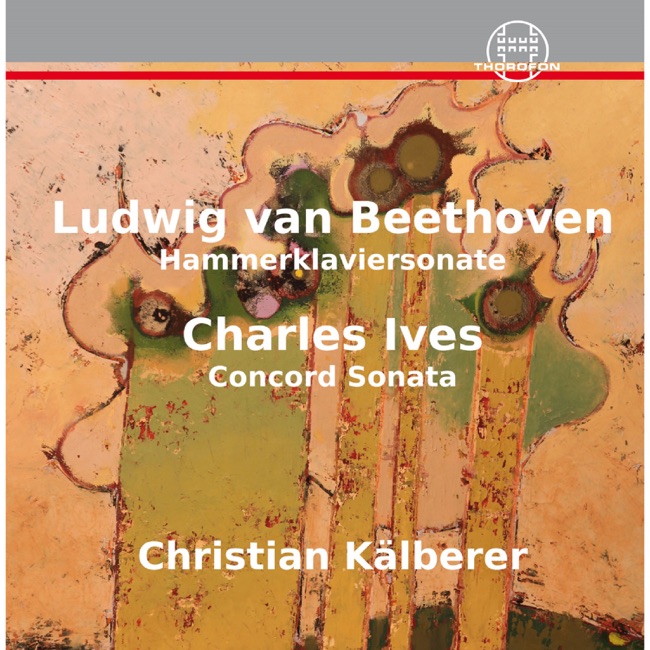
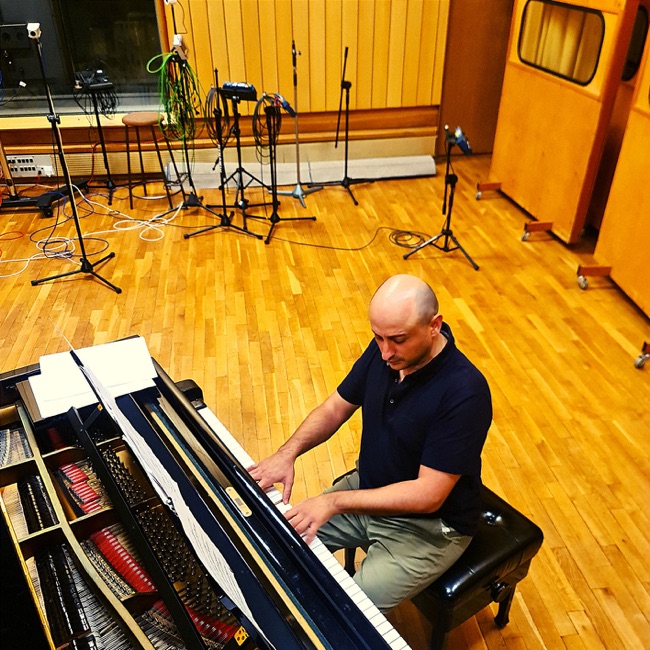
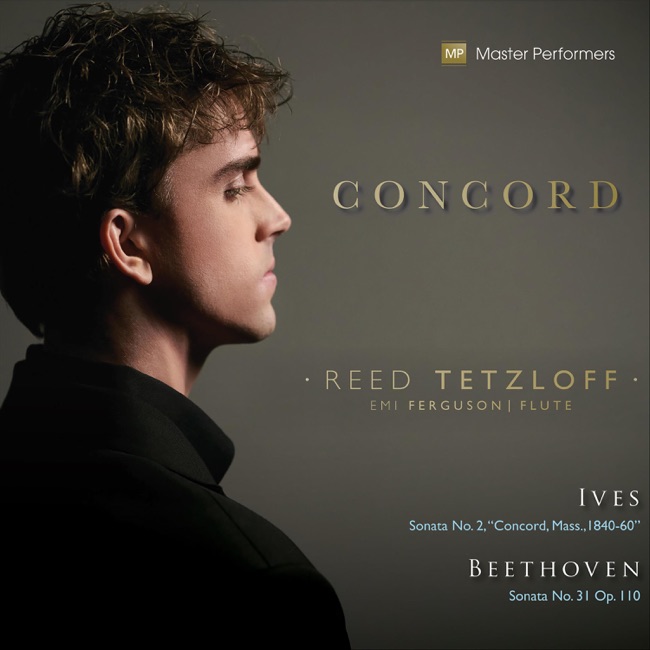




Featured Album

Works Info
Composer:Charles IvesGenre:KeyboardStyle:SonataCompose Date:1911 - 1915Publication Date:1920First Performance:Nov 28, 1938Average_duration:49:26Movement_count:4Movement ....Charles Ives' Sonata No. 2: Concord, Mass, S. 88 is a four-movement piano sonata that was composed between 1911 and 1915. The piece was premiered in New York City in 1919, with John Kirkpatrick as the pianist. The first movement, "Emerson," is named after the philosopher Ralph Waldo Emerson, who was a major influence on Ives. The movement is characterized by its use of dissonant harmonies and complex rhythms, which reflect the intellectual and philosophical ideas of Emerson. The movement also features a quote from Beethoven's Fifth Symphony, which Ives uses to create a sense of tension and conflict. The second movement, "Hawthorne," is named after the author Nathaniel Hawthorne, who was also a major influence on Ives. The movement is more lyrical and introspective than the first, with a slower tempo and more melodic lines. The movement also features a quote from the hymn "Nettleton," which Ives uses to create a sense of nostalgia and longing. The third movement, "The Alcotts," is named after the family of Louisa May Alcott, who wrote the novel Little Women. The movement is characterized by its use of folk melodies and simple harmonies, which reflect the simplicity and innocence of the Alcott family. The movement also features a quote from Beethoven's "Moonlight" Sonata, which Ives uses to create a sense of mystery and ambiguity. The fourth movement, "Thoreau," is named after the philosopher and naturalist Henry David Thoreau, who was a major influence on Ives. The movement is characterized by its use of repetitive rhythms and sparse harmonies, which reflect the simplicity and solitude of Thoreau's life in the woods. The movement also features a quote from the hymn "From Greenland's Icy Mountains," which Ives uses to create a sense of transcendence and spiritual awakening. Overall, Sonata No. 2: Concord, Mass, S. 88 is a complex and innovative work that reflects Ives' interest in American culture and philosophy. The piece is notable for its use of dissonant harmonies, complex rhythms, and quotes from other musical works, which create a sense of intellectual and emotional depth.More....
Works Music
Released Music




Featured Music
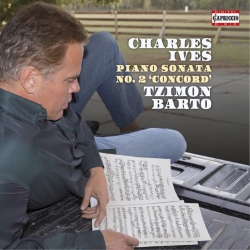
5
16:26
6
11:44
8
10:37


Main Perform Artists
Piano
Piano
Flute
Piano
Piano