


Hungarian State Radio and Television Chorus
Released Album
Choral
-
 January 5, 2018
 -
 January 1, 2007
 -
 September 23, 2003
 -
 May 15, 2001
 -
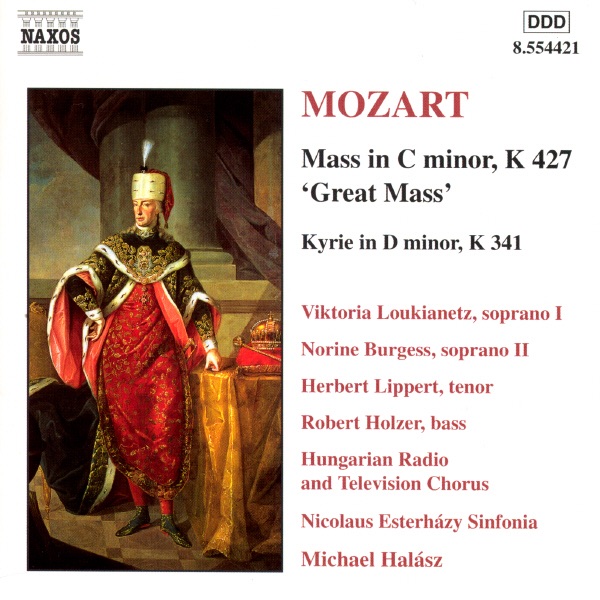 October 17, 2000
 -
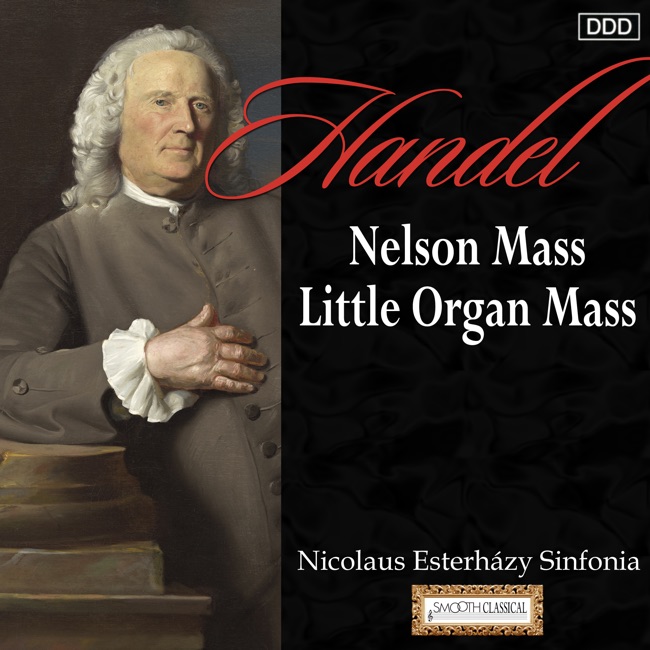 April 11, 2000
Opera
-
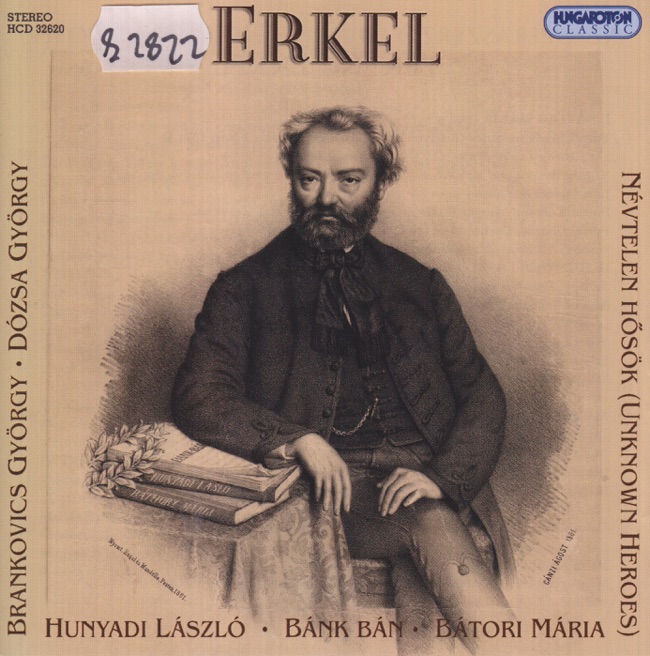 September 28, 2010
 -
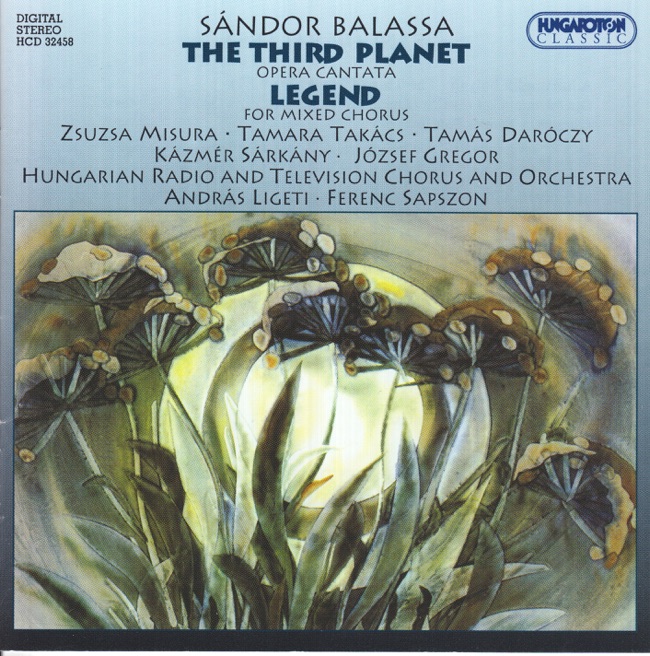 November 22, 2006
 -
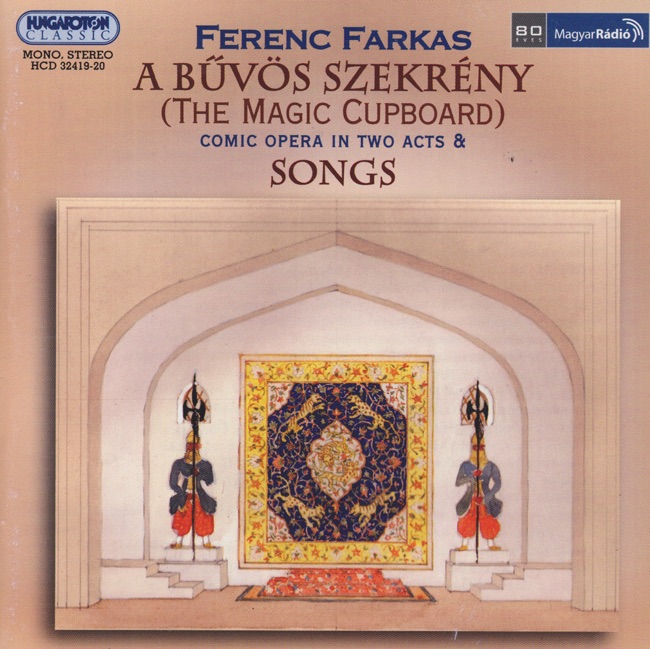 February 28, 2006
 -
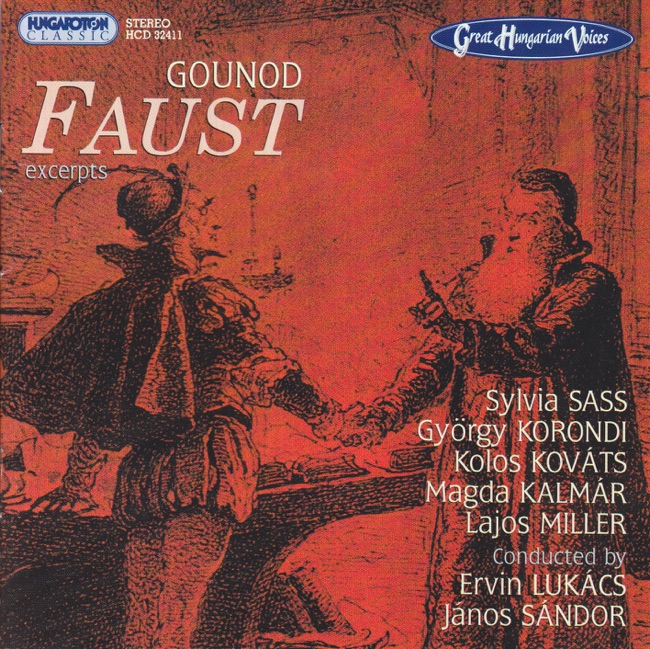 November 17, 2005
 -
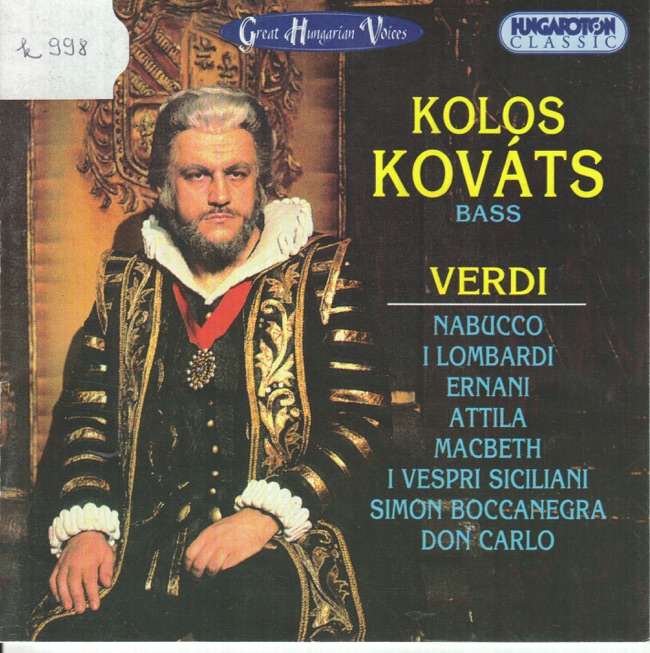 October 12, 2003
 -
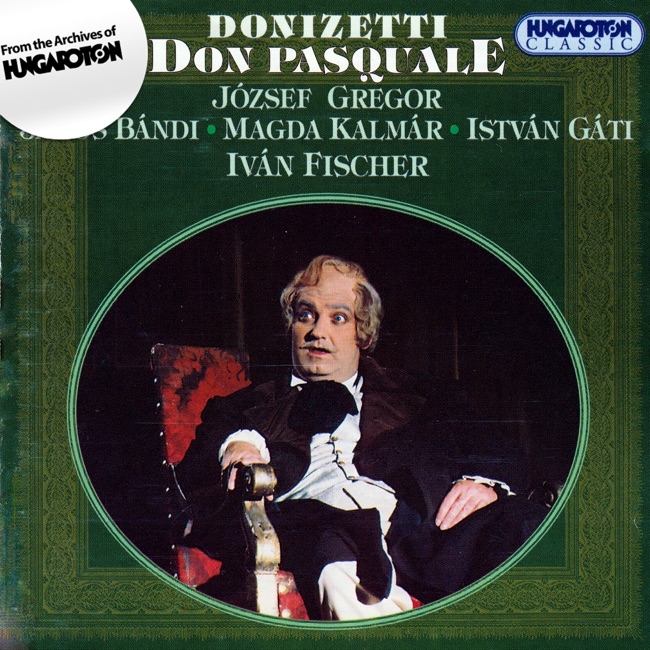 September 27, 2003
Orchestral
-
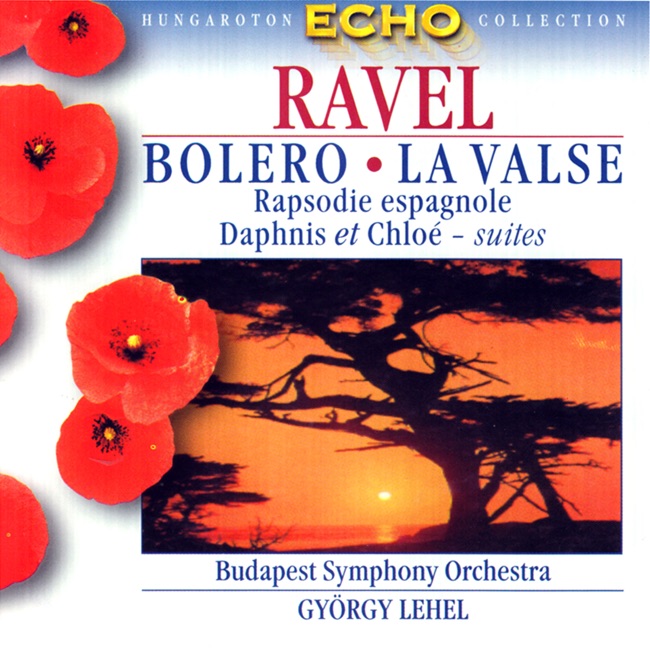 December 9, 1999
 -
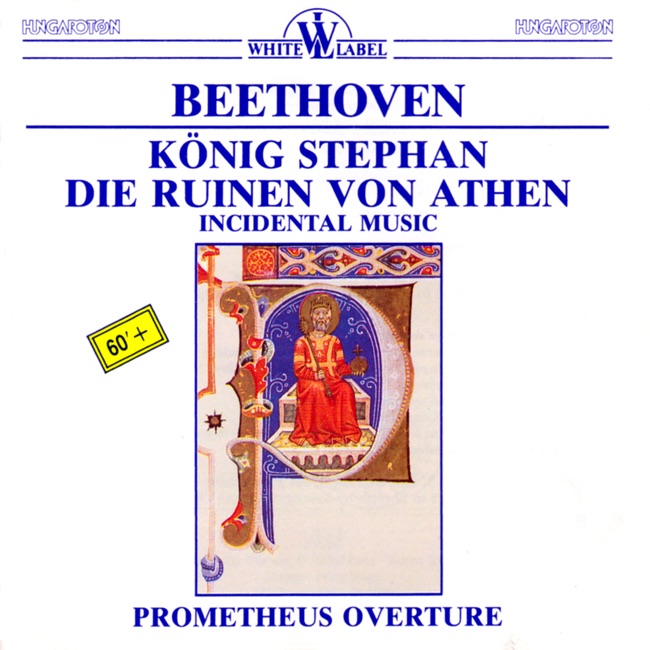 July 22, 1989
 -
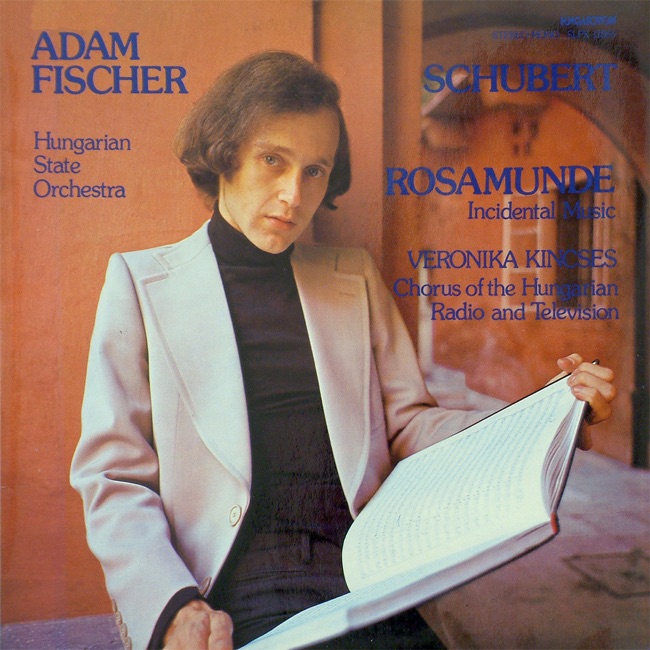 April 19, 1976
Artist Info
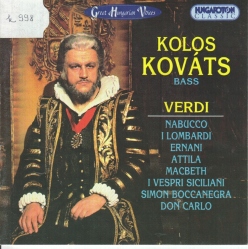
Period:RomanticModernGenre:ChoralOperaThe Hungarian State Radio and Television Chorus is a renowned classical music ensemble that has been captivating audiences with its exceptional performances for over 70 years. Founded in 1949, the ensemble has become one of the most respected and celebrated choirs in the world, known for its impeccable technique, rich sound, and diverse repertoire. The Hungarian State Radio and Television Chorus was established as part of the Hungarian Radio and Television network, with the aim of promoting and preserving the country's rich musical heritage. The ensemble was initially led by conductor Ferenc Szekeres, who served as its artistic director for over a decade. Under his guidance, the choir quickly gained a reputation for excellence, and began to attract some of the most talented singers in Hungary. Over the years, the Hungarian State Radio and Television Chorus has had many distinguished members, including some of the most celebrated vocalists in the country. Among its most notable members are soprano Éva Marton, tenor József Simándy, and bass-baritone Kolos Kováts, all of whom went on to achieve international fame. Other prominent members of the ensemble have included sopranos Sylvia Sass and Andrea Rost, mezzo-soprano Ildikó Komlósi, and baritone László Polgár. Throughout its history, the Hungarian State Radio and Television Chorus has performed a wide range of music, from traditional Hungarian folk songs to contemporary classical works. The ensemble has collaborated with many of the world's leading conductors and orchestras, and has performed in some of the most prestigious concert halls and festivals around the globe. One of the highlights of the Hungarian State Radio and Television Chorus's career was its performance at the 1956 International Festival of Contemporary Music in Venice, where it premiered Zoltán Kodály's "Psalmus Hungaricus". The piece, which was written to celebrate the 50th anniversary of the unification of Buda and Pest, was an instant success, and has since become one of the most beloved works in the Hungarian choral repertoire. Another notable performance by the ensemble was its rendition of Béla Bartók's "Cantata Profana" at the 1960 Salzburg Festival. The piece, which is based on a Romanian folk tale, is considered one of Bartók's most challenging works, and the Hungarian State Radio and Television Chorus's performance was widely praised for its precision and emotional depth. Over the years, the Hungarian State Radio and Television Chorus has received numerous awards and accolades for its outstanding performances. In 1970, the ensemble was awarded the prestigious Kossuth Prize, Hungary's highest cultural honor, in recognition of its contributions to the country's musical heritage. The choir has also won several international competitions, including the Grand Prix at the 1961 International Choral Competition in Arezzo, Italy. Despite its many achievements, the Hungarian State Radio and Television Chorus has faced its share of challenges over the years. In the 1980s, the ensemble was forced to adapt to the changing political climate in Hungary, as the country transitioned from a communist regime to a more democratic system. The choir's repertoire and style evolved to reflect these changes, and it continued to thrive under the leadership of conductors such as István Párkai and Mátyás Antal.More....
Recent Artist Music
3
9:9
6
4:25
9
2:25
10
4:30
12
6:11
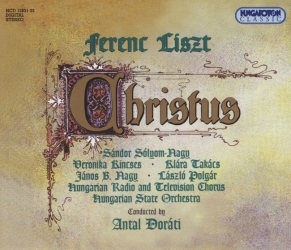
Copyright Ⓒ 2013 Davinci Finger. All rights reseved
Service Terms & Policy