


Zoltán Kodály
Released Album
Chamber
-
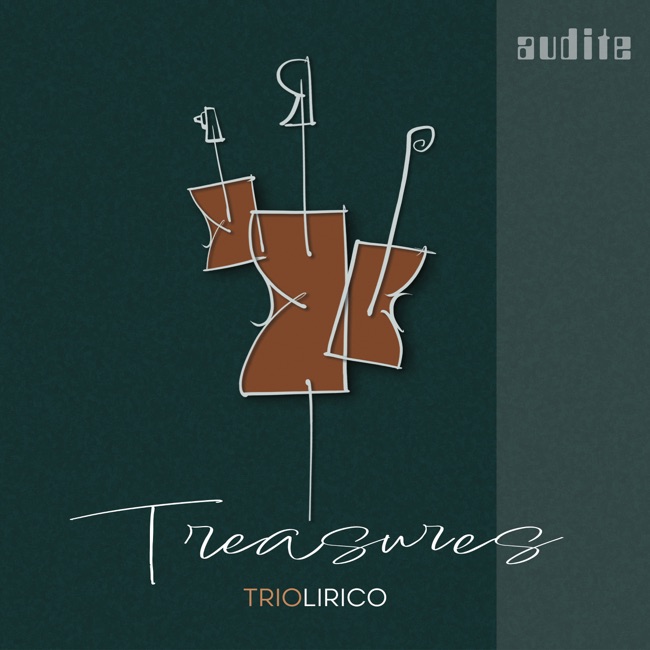 May 17, 2024
 -
 April 26, 2024
 -
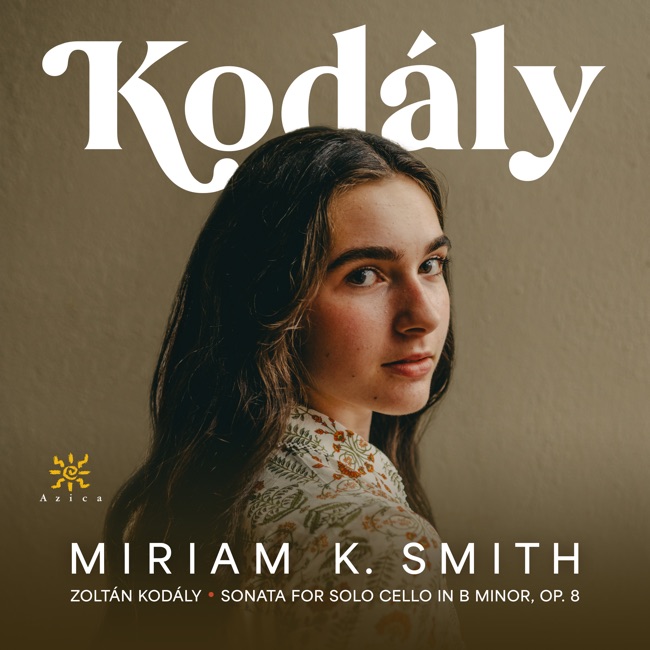 January 19, 2024
 -
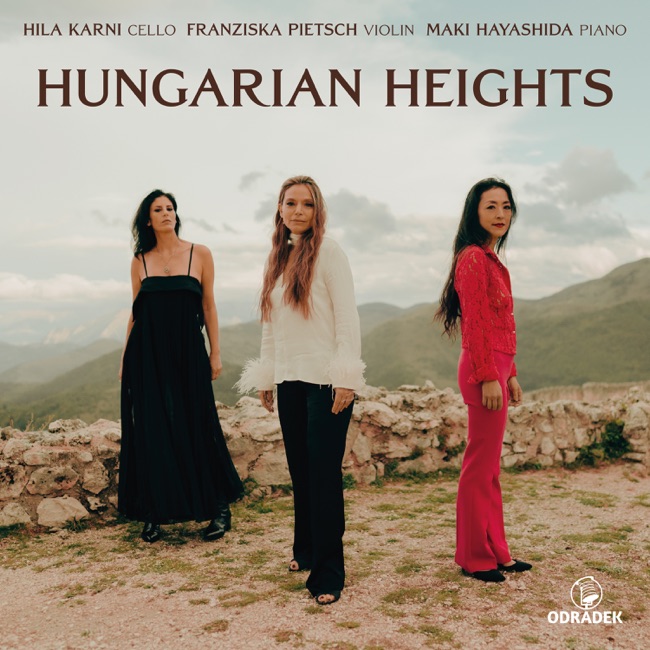 October 27, 2023
 -
-
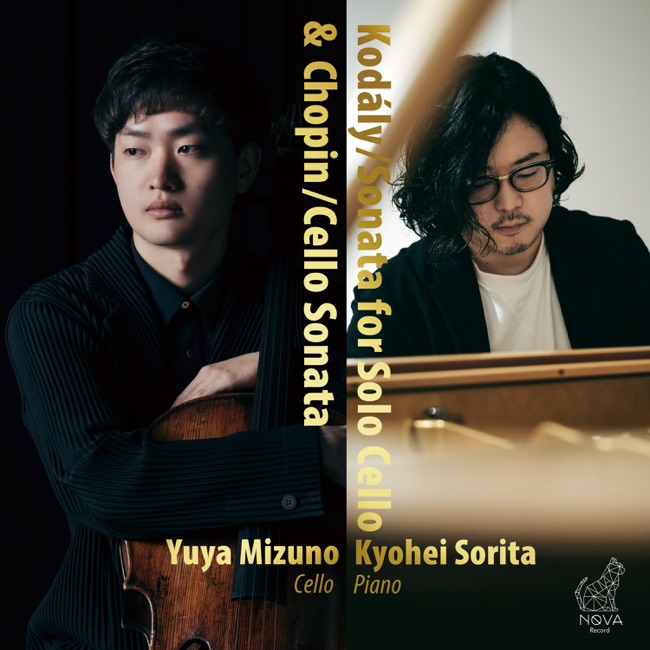 August 26, 2023
Orchestral
-
-
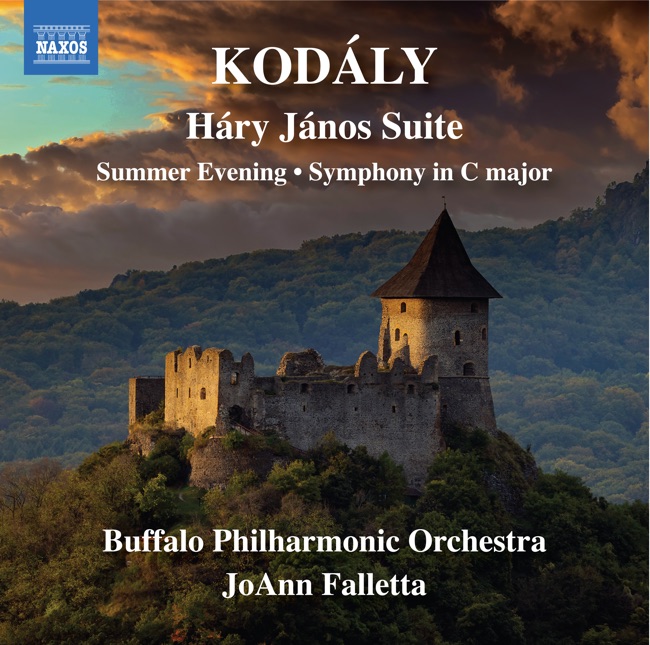 October 27, 2023
 -
 February 24, 2023
 -
 September 17, 2021
 -
 November 6, 2020
 -
Choral
-
-
-
-
 April 1, 2021
 -
-
 November 19, 2019
Keyboard
-
 July 14, 2023
 -
 December 17, 2021
 -
 December 5, 2018
 -
 November 9, 2018
 -
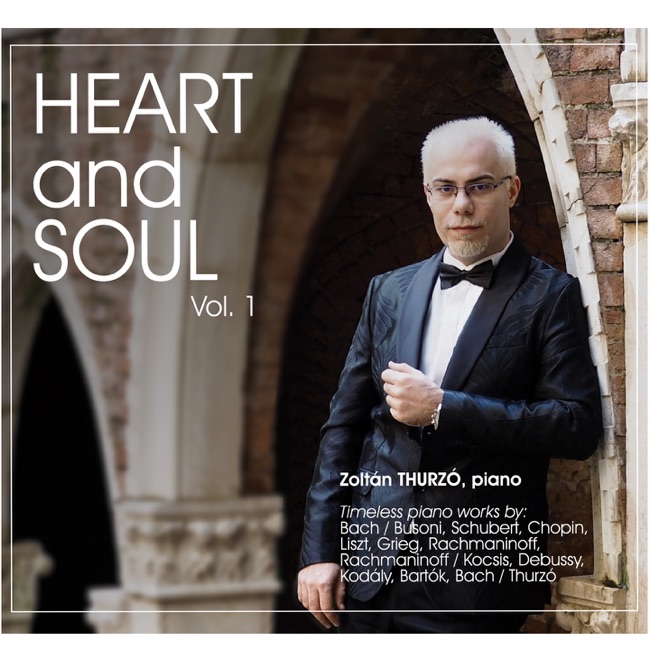 October 1, 2018
 -
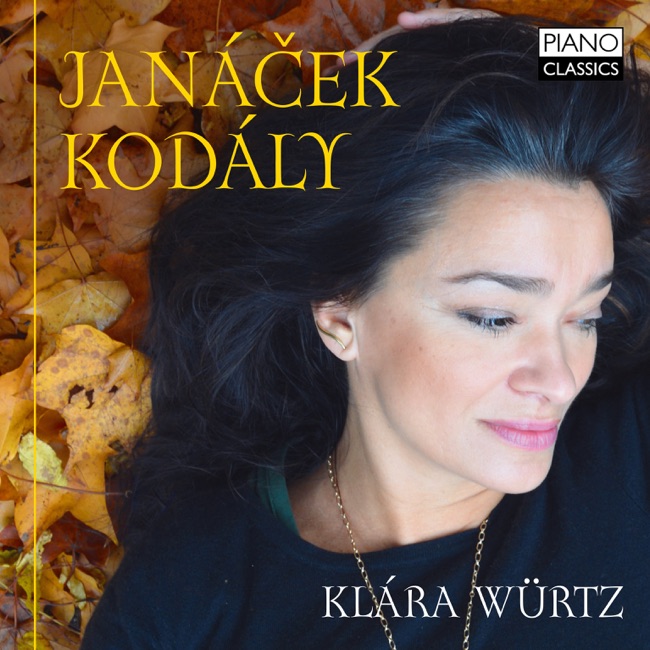 July 1, 2016
Artist Info
Role:Composer ConductorCountry: HungaryBirth:December 16, 1882 in Kecskemét, HungaryDeath:March 6, 1967 in Budapest, HungaryPeriod:RomanticContemporaryModernGenre:ChamberChoralOrchestralVocalZoltán Kodály was a Hungarian composer, ethnomusicologist, and educator who made significant contributions to the field of classical music. He was born on December 16, 1882, in Kecskemét, Hungary, to a musical family. His father was a stationmaster and amateur musician, while his mother was a pianist and singer. Kodály showed an early interest in music and began playing the violin at the age of six. Kodály received his early education in Kecskemét and later attended the Franz Liszt Academy of Music in Budapest, where he studied composition with Hans Koessler. He also studied musicology and linguistics at the University of Budapest, where he was influenced by the work of Béla Bartók, a fellow Hungarian composer and ethnomusicologist. Kodály's early compositions were influenced by the Romantic style of music, but he later developed his own unique style that incorporated elements of Hungarian folk music. He was particularly interested in the music of the Hungarian peasantry and spent many years collecting and studying folk songs from various regions of Hungary. Kodály's most famous work is his "Dances of Galánta," which was composed in 1933 and is based on Hungarian folk melodies. The piece was inspired by Kodály's memories of the town of Galánta, where he had heard many folk songs as a child. The "Dances of Galánta" is a lively and colorful work that showcases Kodály's skill as a composer and his deep understanding of Hungarian folk music. Another notable work by Kodály is his "Háry János Suite," which was composed in 1926 and is based on a popular Hungarian folk tale. The suite is a humorous and lighthearted work that features a variety of musical styles, including folk melodies, marches, and waltzes. Kodály was also a prolific composer of choral music and wrote many works for choirs, including his "Laudes Organi," which was composed in 1966 and is considered one of his most important choral works. The piece is a tribute to the organ and features complex harmonies and intricate rhythms. In addition to his work as a composer, Kodály was also a dedicated educator and believed that music education was essential for all children. He developed a method of music education that emphasized the importance of singing and the use of folk songs in the classroom. The Kodály Method, as it came to be known, has been widely adopted in music education programs around the world. Kodály received many honors and awards during his lifetime, including the Kossuth Prize, Hungary's highest cultural award, and the Order of Merit of the Republic of Hungary. He died on March 6, 1967, in Budapest, Hungary, at the age of 84. In conclusion, Zoltán Kodály was a highly influential composer, ethnomusicologist, and educator who made significant contributions to the field of classical music. His unique style, which incorporated elements of Hungarian folk music, has had a lasting impact on the world of music, and his Kodály Method has helped to shape music education programs around the world. His legacy continues to inspire musicians and music lovers today.More....
Recent Artist Music

Works Highlight
Recommend Playlist














Copyright Ⓒ 2013 Davinci Finger. All rights reseved
Service Terms & Policy