


Zoltán Kodály
Psalmus Hungaricus, Op. 13
Released Album
Recent Album
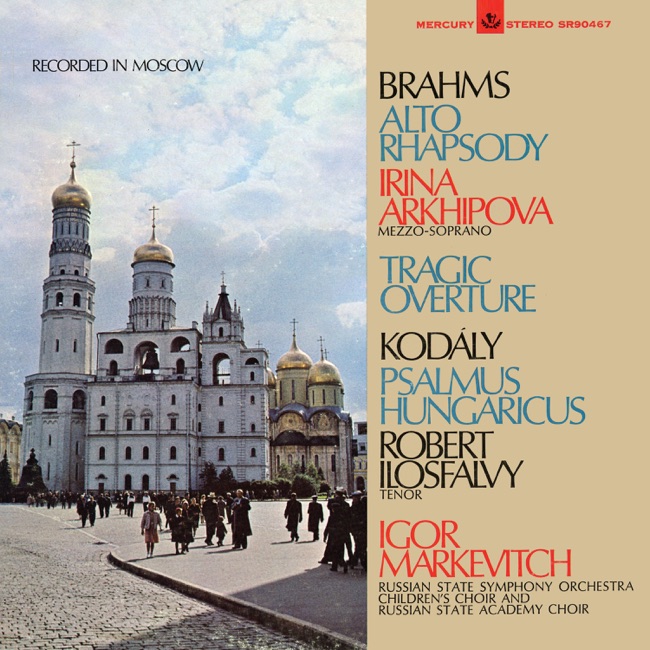
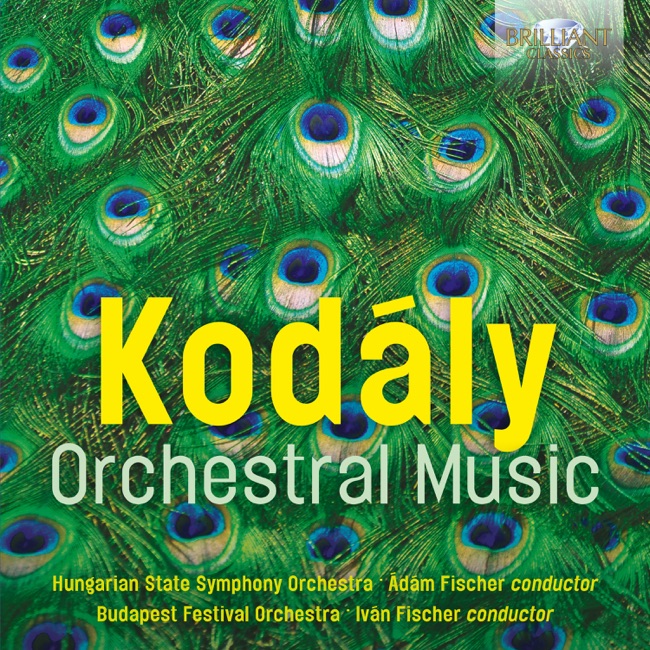
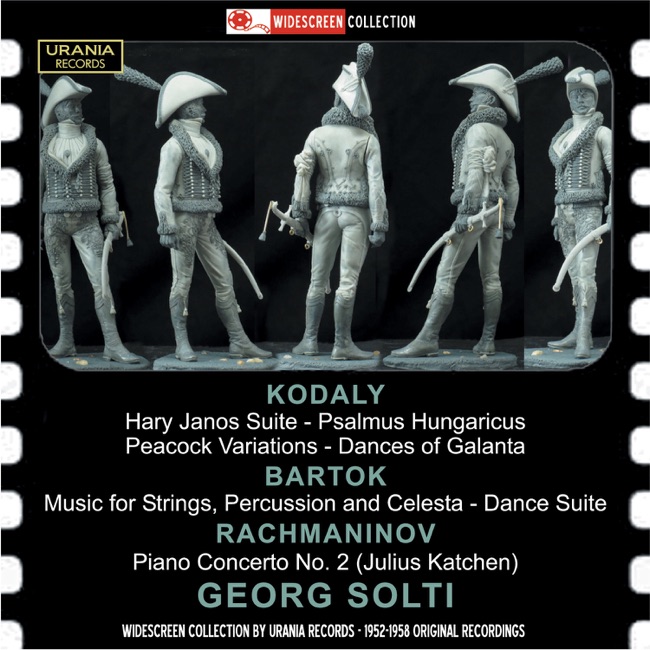
Featured Album
Works Info
Composer:Zoltán KodályGenre:ChoralStyle:PsalmCompose Date:1923Publication Date:1924First Performance:Nov 19, 1923Average_duration:22:03Movement_count:4Movement ....Psalmus Hungaricus, Op. 13 is a choral work composed by Zoltán Kodály in 1923. It was commissioned by the Hungarian government to celebrate the 50th anniversary of the unification of Buda and Pest, and the premiere was held on December 16, 1923, in Budapest. The work is divided into ten movements, each based on a different Hungarian folk song. The text is in Latin, and the folk songs are used as thematic material throughout the work. The first movement, "Laudate Dominum," is a joyful and celebratory opening, with the choir and orchestra introducing the main themes of the work. The second movement, "Laudate eum," is a lively and rhythmic setting of a folk song about a shepherd's flute. The third movement, "Tibi omnes," is a slower and more contemplative setting of a folk song about the beauty of nature. The fourth movement, "Qui sedes," is a powerful and dramatic setting of a folk song about a king on his throne. The fifth movement, "Quicumque," is a lively and energetic setting of a folk song about a wedding dance. The sixth movement, "Jam non dicam," is a slower and more introspective setting of a folk song about the transience of life. The seventh movement, "Ej, danubius," is a lively and rhythmic setting of a folk song about the Danube River. The eighth movement, "Sed tamen," is a slower and more contemplative setting of a folk song about the beauty of the Hungarian countryside. The ninth movement, "Domine, ad adjuvandum," is a joyful and celebratory setting of a folk song about the power of God. The final movement, "Hymnus," is a grand and majestic setting of a folk song about the glory of Hungary. The choir and orchestra come together in a triumphant finale, with the themes of the work coming full circle. Psalmus Hungaricus is characterized by its use of Hungarian folk music, which Kodály incorporated into his compositions throughout his career. The work is also notable for its use of Latin text, which was a departure from Kodály's earlier works in Hungarian. The combination of folk music and Latin text gives the work a unique and powerful character, and it remains one of Kodály's most celebrated compositions.More....
Works Music
Released Music
1
22:11
4
19:3
6
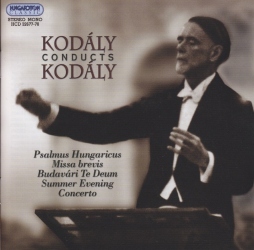
Psalm Hungaricus, Op. 13
Psalmus Hungaricus, for tenor solo, mixed choir and orchestra, Op. 13
24:3
10
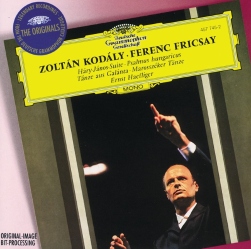
23:15
Featured Music
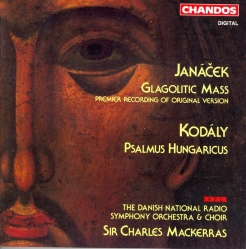
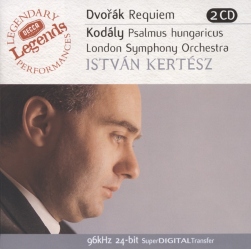
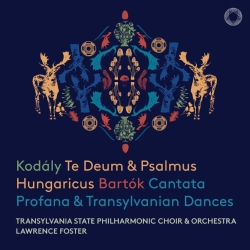
Main Perform Artists
Choir/Chorus
Tenor Vocal
Tenor (Vocal)
Tenor Vocal