


Sándor Balassa
Released Album
Concerto
-
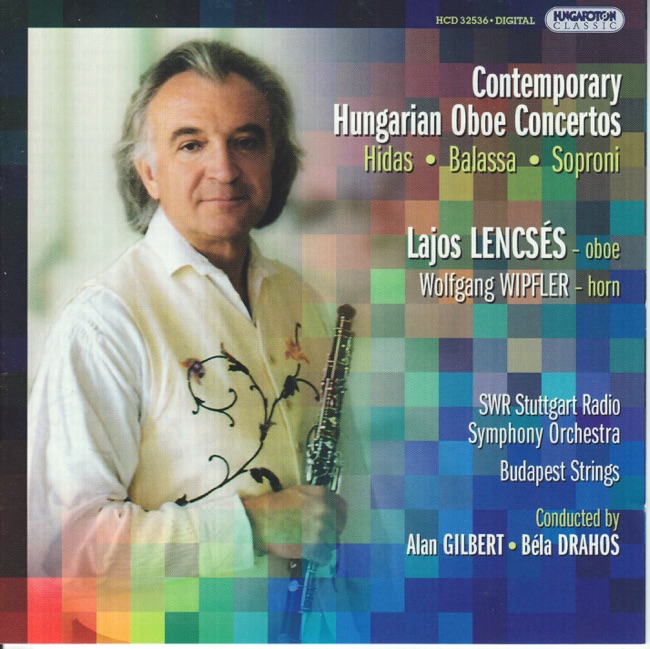 June 26, 2007
 -
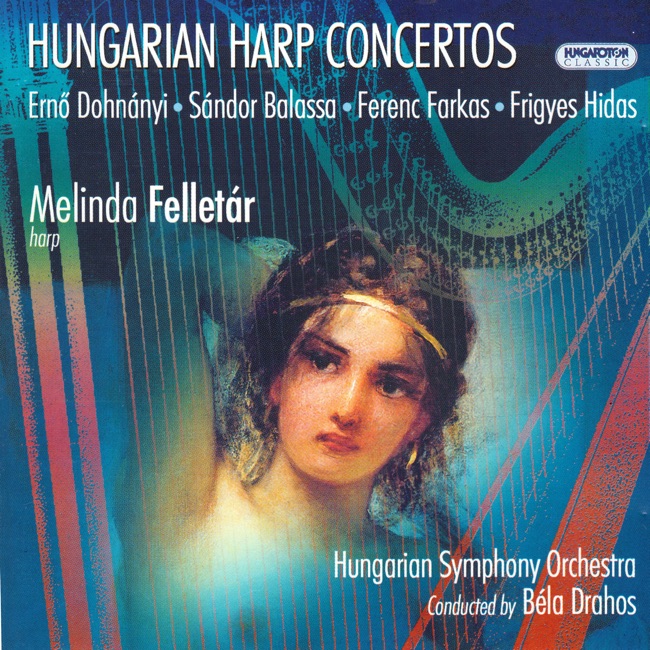 July 26, 2006
Orchestral
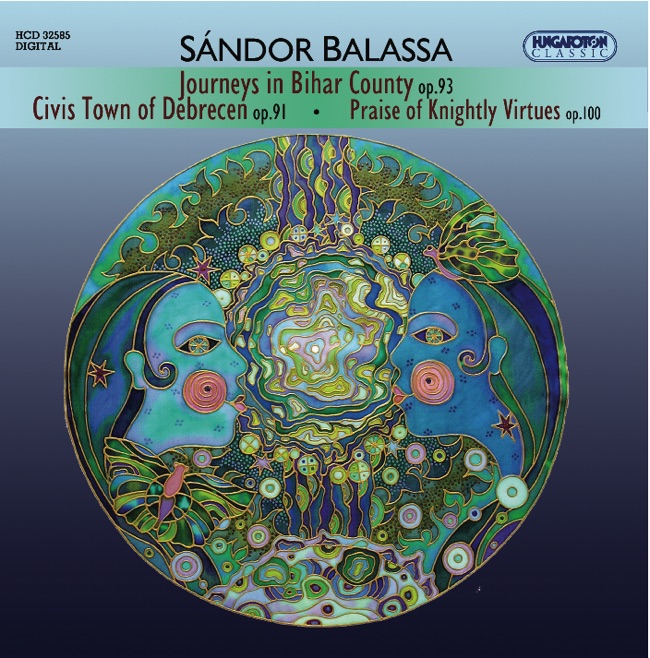
Keyboard
-
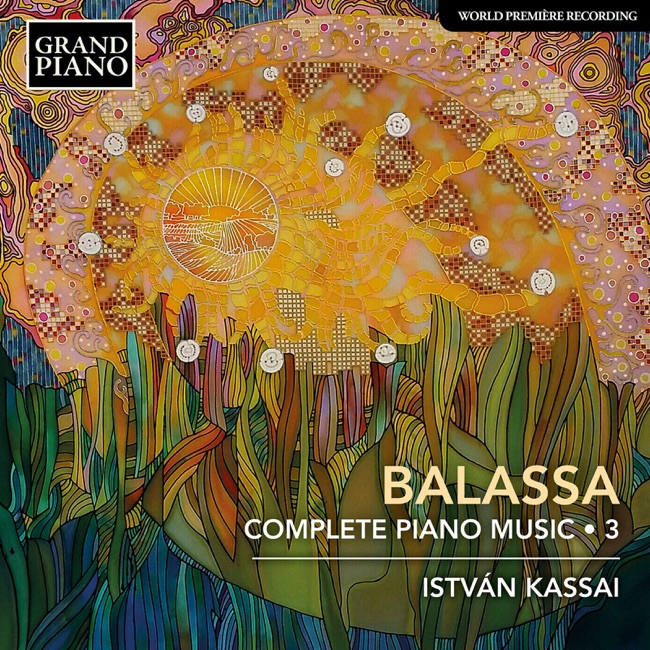 February 14, 2020
 -
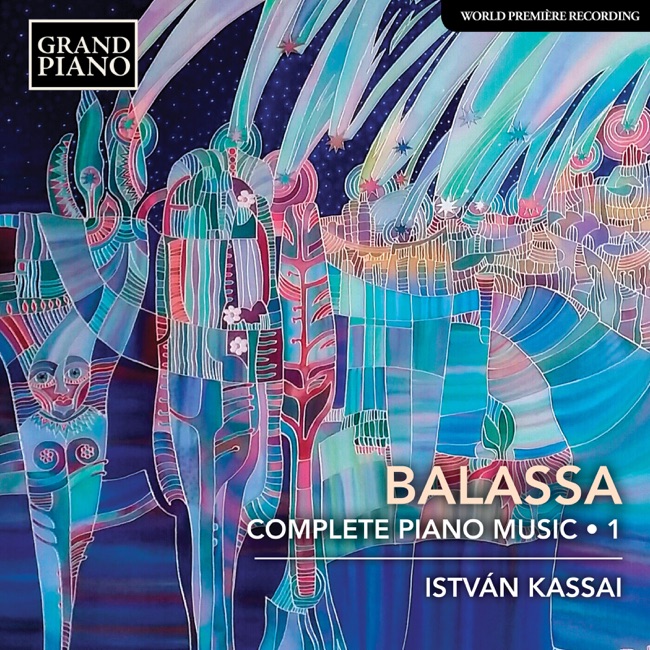 May 10, 2019
Choral
-
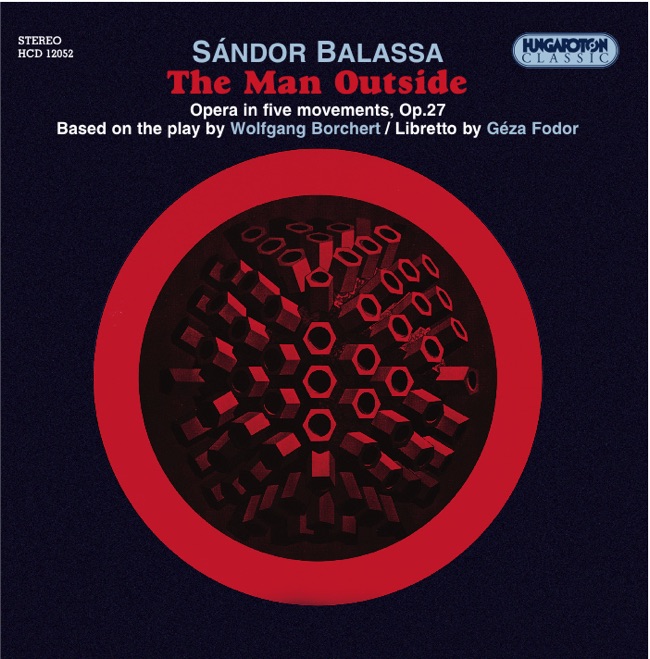 January 1, 2007
Artist Info
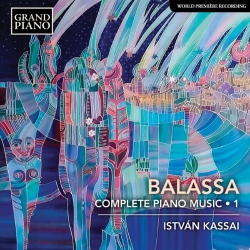
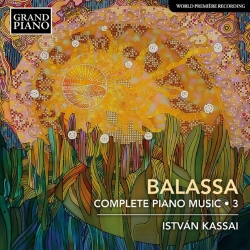
Role:ComposerSándor Balassa was a Hungarian composer who was born on January 22, 1935, in Budapest, Hungary. He was the son of a music teacher and grew up in a musical family. His father, László Balassa, was a composer and conductor, and his mother, Margit Balassa, was a pianist. Sándor Balassa began his musical education at a young age, studying piano and composition with his father. Balassa attended the Franz Liszt Academy of Music in Budapest, where he studied composition with Ferenc Farkas and Zoltán Kodály. He graduated in 1959 and went on to study at the Moscow Conservatory with Dmitri Shostakovich. Balassa's time in Moscow had a significant impact on his musical style, and he became interested in the avant-garde and experimental music. Balassa's early works were influenced by the Hungarian folk music tradition and the works of Béla Bartók. His first major composition, the String Quartet No. 1, was written in 1958 and was well-received by critics. Balassa continued to write chamber music throughout his career, including several string quartets, a piano trio, and a wind quintet. In the 1960s, Balassa began to experiment with electronic music and aleatoric techniques. His works from this period include "Music for Tape and Orchestra" (1964) and "Music for 16 Soloists and Tape" (1966). These works were groundbreaking in Hungary at the time and helped establish Balassa as a leading figure in the avant-garde music scene. Balassa's music continued to evolve throughout the 1970s and 1980s. He began to incorporate elements of minimalism and postmodernism into his compositions, and his works became more introspective and contemplative. Some of his most notable works from this period include "Concerto for Orchestra" (1973), "Symphony No. 2" (1980), and "Symphony No. 3" (1985). In addition to his work as a composer, Balassa was also a respected music educator. He taught at the Franz Liszt Academy of Music in Budapest from 1960 to 1990 and was a mentor to many young composers. He also served as the president of the Hungarian Composers' Union from 1988 to 1990. Balassa's music has been performed by orchestras and ensembles around the world, including the Budapest Symphony Orchestra, the Berlin Philharmonic, and the London Sinfonietta. He received numerous awards and honors throughout his career, including the Kossuth Prize, Hungary's highest cultural award, in 1985. Sándor Balassa passed away on September 3, 2019, at the age of 84. He left behind a legacy of innovative and thought-provoking music that continues to inspire and challenge audiences today.More....
Recent Artist Music
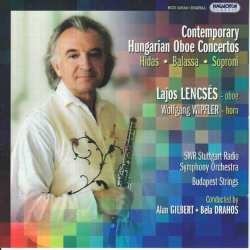
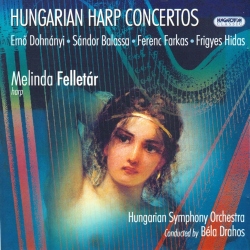
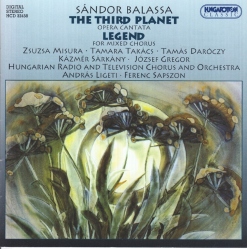
6
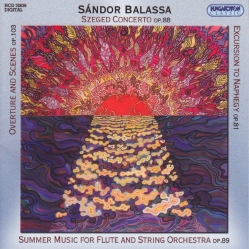
4:12
Copyright Ⓒ 2013 Davinci Finger. All rights reseved
Service Terms & Policy