Franz Liszt
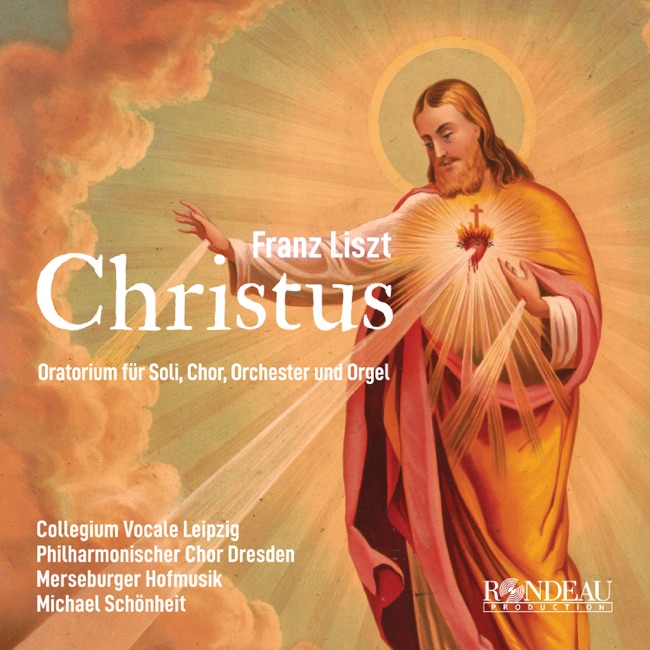
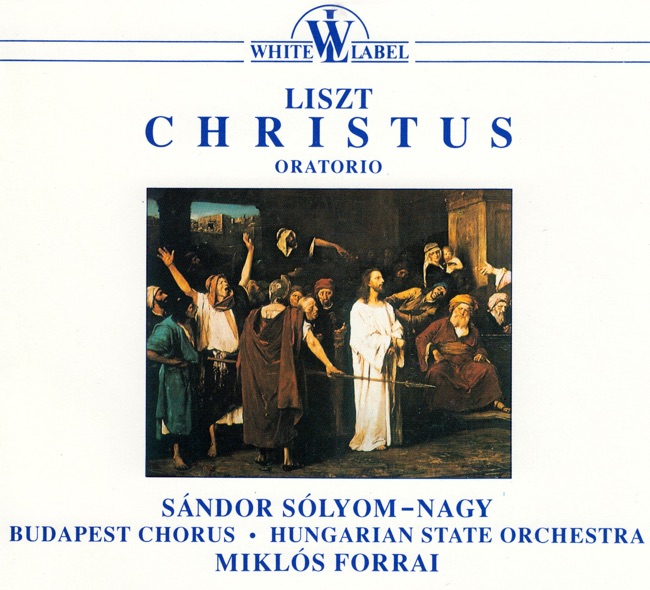
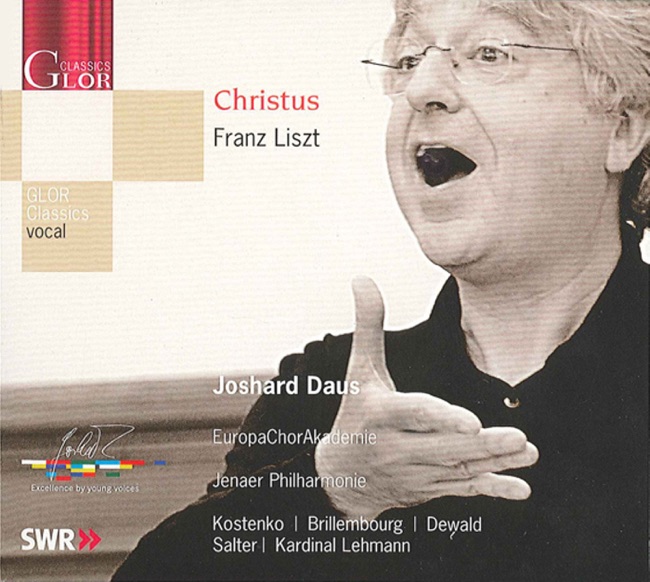
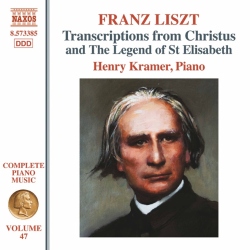
Christus, S. 3
Released Album
Recent Album
Works Info
Composer:Franz LisztGenre:ChoralStyle:OratorioCompose Date:1859 - 1863Publication Date:1872First Performance:May 29, 1873Average_duration:169:00Movement_count:14Movement ....Christus, S. 3 is a monumental oratorio composed by Franz Liszt between 1862 and 1866. It was premiered in 1873 in Weimar, Germany, under the direction of Liszt himself. The oratorio is divided into three parts, each with its own set of movements, and tells the story of the life and teachings of Jesus Christ. Part One, titled "The Birth of Christ," begins with an orchestral prelude that sets the tone for the entire work. The first movement, "The Prophecy," features a chorus and soloists singing about the coming of the Messiah. This is followed by a series of recitatives and arias that tell the story of the Annunciation, the Nativity, and the visit of the shepherds. Part Two, titled "The Public Life of Christ," is the longest section of the oratorio and is divided into three movements. The first movement, "The Baptism of Christ," features a chorus and soloists singing about the baptism of Jesus by John the Baptist. The second movement, "The Sermon on the Mount," is a series of recitatives and arias that present some of Jesus' most famous teachings, including the Beatitudes. The third movement, "The Miracle of the Loaves and Fishes," tells the story of Jesus feeding the multitude. Part Three, titled "The Passion and Resurrection of Christ," is the most dramatic section of the oratorio and is also divided into three movements. The first movement, "The Entry into Jerusalem," features a chorus and soloists singing about Jesus' triumphal entry into the city. The second movement, "The Last Supper," is a series of recitatives and arias that tell the story of the Last Supper and Jesus' betrayal by Judas. The final movement, "The Resurrection," is a triumphant chorus and soloists singing about the resurrection of Jesus and the triumph of life over death. Throughout the oratorio, Liszt employs a wide range of musical styles and techniques, from the grandeur of the orchestral prelude to the intimacy of the solo arias. He also makes use of a large chorus and a variety of soloists, including soprano, alto, tenor, and bass. The music is often highly emotional and expressive, reflecting the drama and intensity of the story being told. Overall, Christus, S. 3 is a powerful and moving work that showcases Liszt's skill as a composer and his deep spiritual convictions. It remains one of his most important and enduring works, and is still performed and admired by audiences around the world.More....
Works Music
Released Music
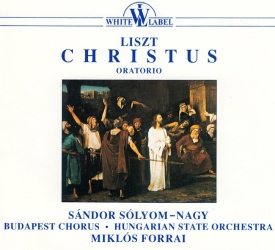
8
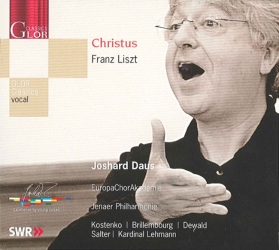
Christ, p. 3
I, Christmas Oratorio: Introduction: Rorate coeli desuper, et nubes pluant justum; aperiatur terra et germinet Salvatorem
16:8