


Philip Moore
Released Album
Choral
-
 November 6, 2015
 -
 May 13, 2014
 -
 February 11, 2014
 -
 October 3, 2011
 -
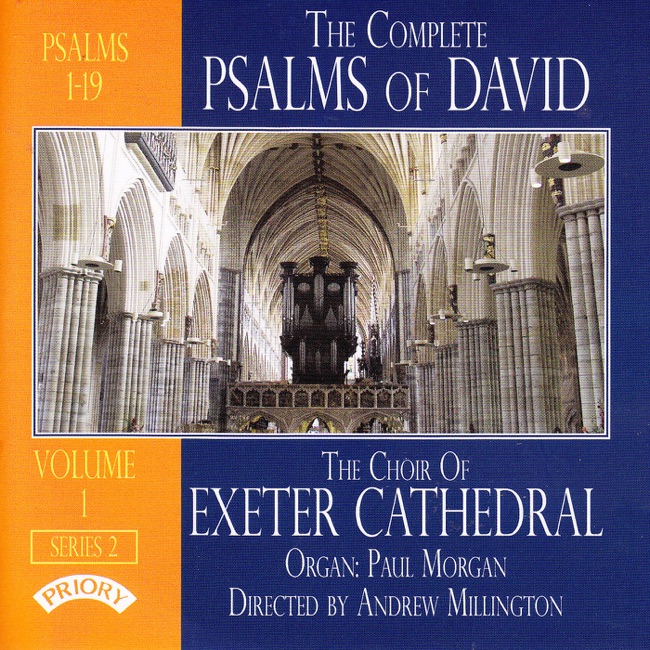
-
 March 15, 2011
Keyboard
-
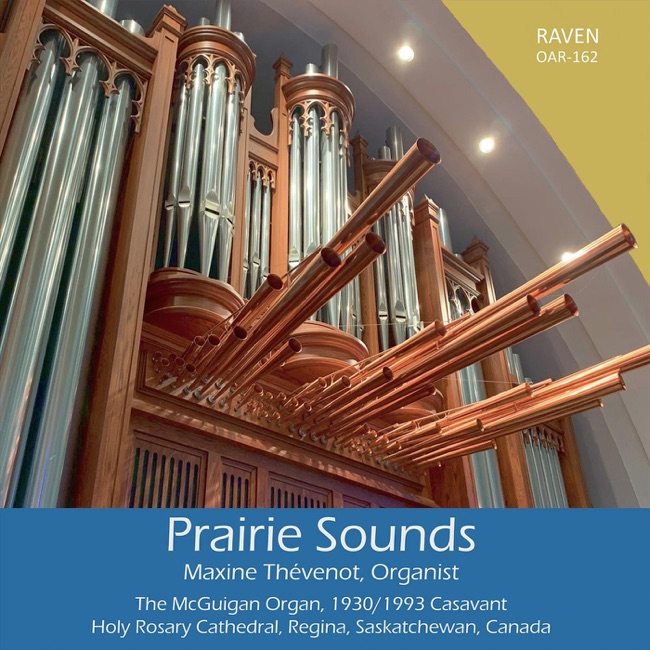 December 2, 2019
 -
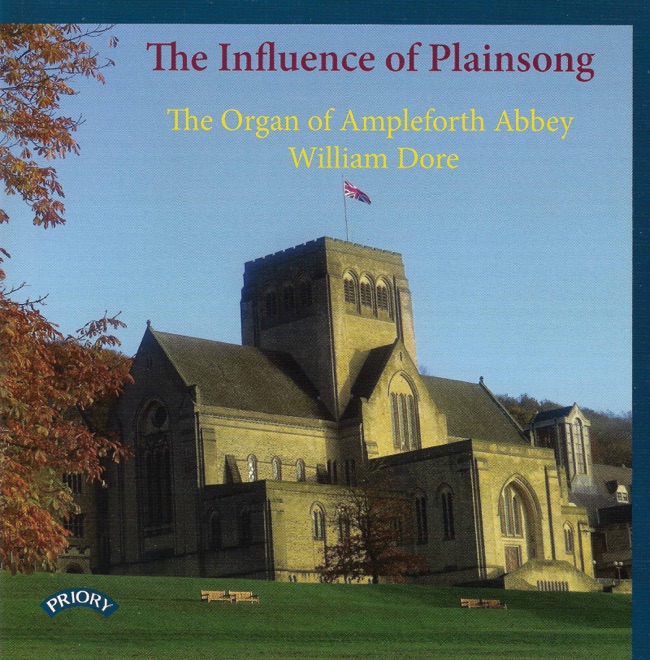 August 7, 2015
 -
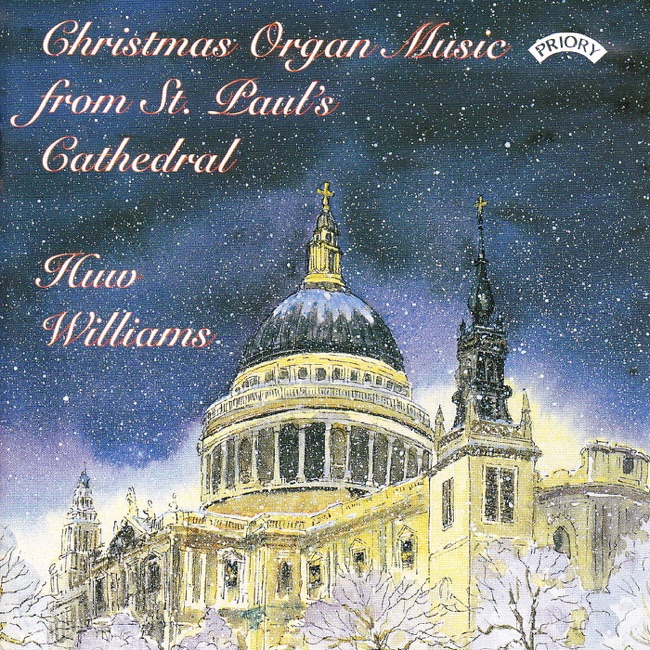 October 26, 2004
 -
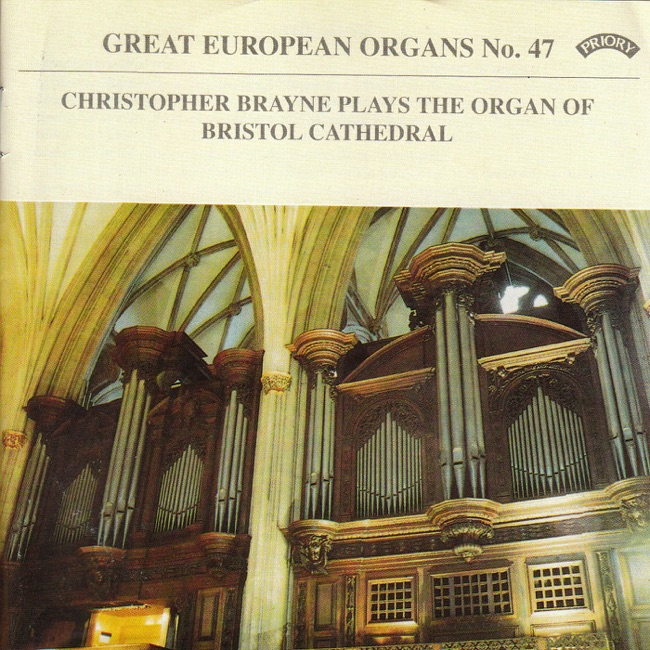 December 30, 1997
 -
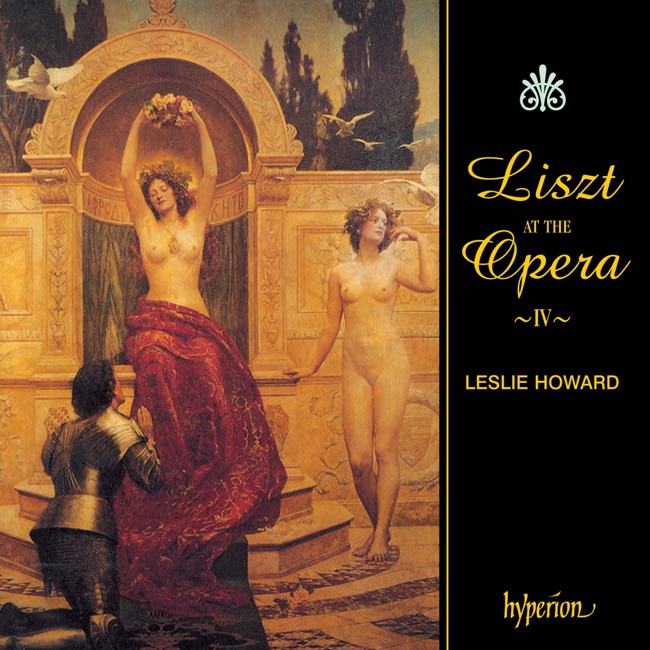 December 17, 1996
 -
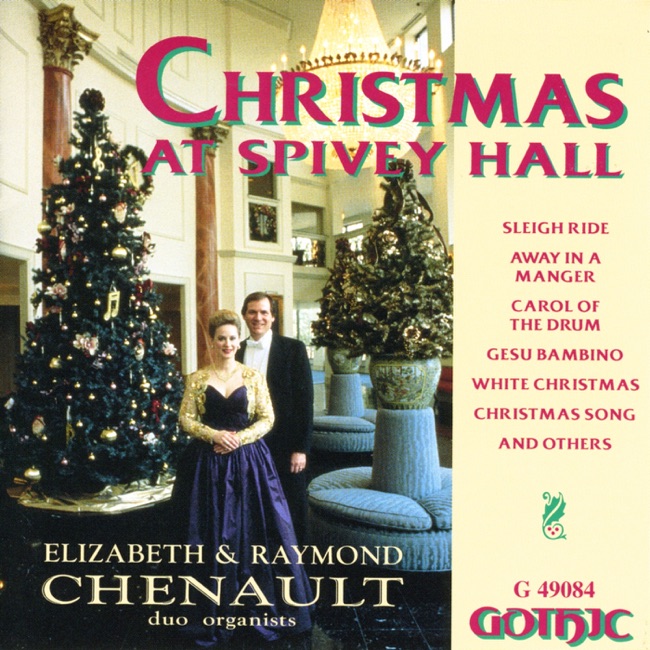 October 15, 1996
Miscellaneous
-
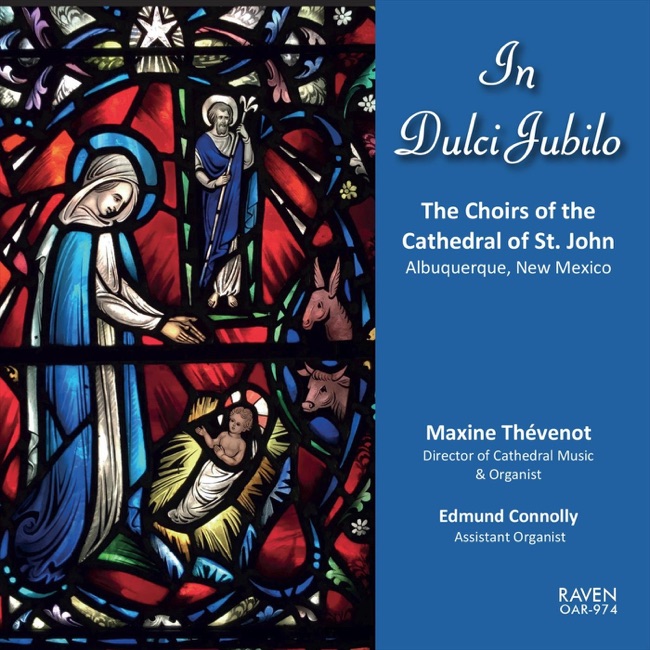 February 9, 2016
 -
 October 19, 2004
 -
 March 22, 1994
Artist Info
Role:Composer ConductorBirth:September 30, 1943 in London, EnglandPeriod:ContemporaryGenre:ChoralPhilip Moore is a British composer and pianist who has made significant contributions to the world of classical music. Born on 17th October 1943 in London, Moore grew up in a family of musicians. His father, George Moore, was a composer and conductor, while his mother, Winifred, was a pianist. Moore's parents recognized his musical talent at an early age and encouraged him to pursue a career in music. Moore began his musical education at the Royal Academy of Music in London, where he studied piano with Harold Craxton and composition with Alan Bush. He later continued his studies at the University of Oxford, where he earned a degree in music. During his time at Oxford, Moore was heavily influenced by the works of Benjamin Britten, whose music he admired for its clarity and emotional depth. Moore's early compositions were heavily influenced by the music of Britten and other British composers of the time. His first major work, the Piano Sonata No. 1, was composed in 1965 and premiered at the Wigmore Hall in London. The piece was well-received by critics and established Moore as a promising young composer. Throughout the 1970s and 1980s, Moore continued to compose works for a variety of ensembles, including orchestras, chamber groups, and solo instruments. His music during this period was characterized by its lyrical melodies, rich harmonies, and intricate textures. Notable works from this period include the String Quartet No. 1, the Piano Concerto, and the song cycle "The Ballad of Reading Gaol." In the 1990s, Moore's music began to take on a more experimental and avant-garde character. He began incorporating elements of electronic music and musique concrète into his compositions, as well as exploring new forms and structures. Notable works from this period include the electro-acoustic piece "The Garden of Earthly Delights" and the multimedia work "The Tempest." Despite his experimentation with new forms and techniques, Moore's music has always remained deeply rooted in the classical tradition. His works are characterized by their emotional depth, technical virtuosity, and profound musicality. He has been praised for his ability to create music that is both intellectually stimulating and emotionally engaging. Moore's contributions to the world of classical music have been recognized with numerous awards and honors. In 1998, he was awarded the Ivor Novello Award for Classical Music, and in 2003 he was made a Fellow of the Royal Academy of Music. He has also been commissioned to compose works for a variety of prestigious ensembles, including the London Symphony Orchestra, the BBC Symphony Orchestra, and the Royal Philharmonic Orchestra. Today, Moore continues to compose and perform music, and his works are regularly performed by ensembles around the world. His music remains an important part of the classical repertoire, and his contributions to the world of music continue to inspire and influence generations of composers and musicians.More....
Recent Artist Music

4
9:37
8

6:25

Related Artists
Copyright Ⓒ 2013 Davinci Finger. All rights reseved
Service Terms & Policy