


Thomas Attwood Walmisley
Released Album
Choral
-
 May 8, 2007
 -
 January 24, 2006
 -
 March 1, 2004
 -
 June 18, 1996
 -
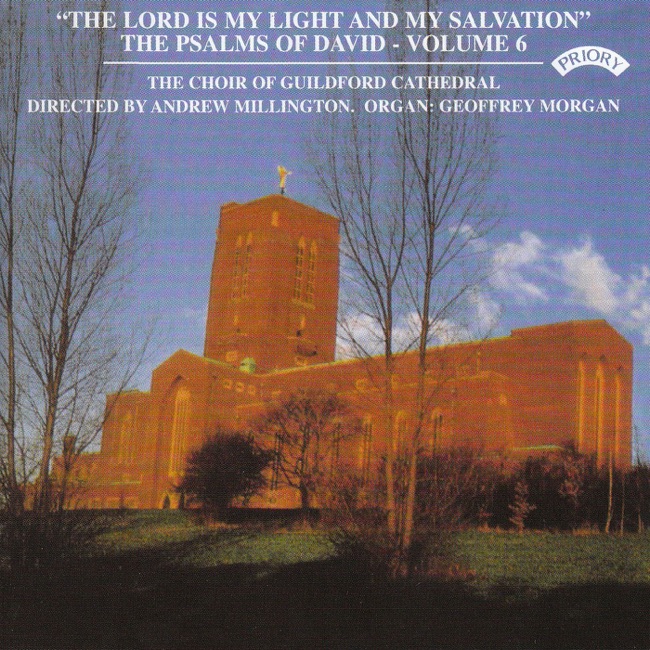 October 11, 1993
 -
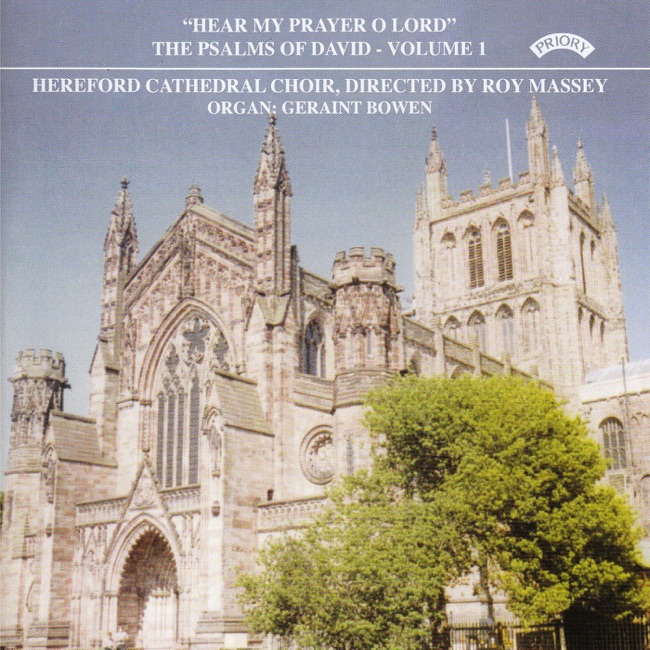 September 2, 1992
Chamber
-
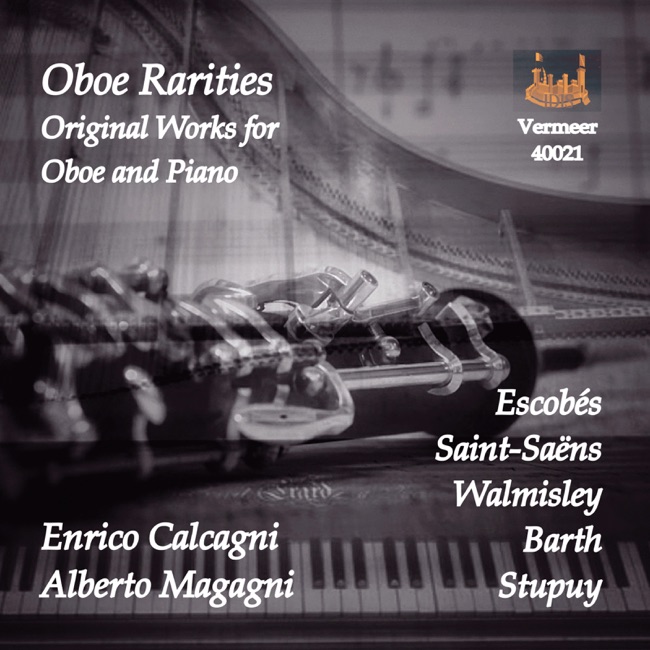 June 21, 2019
 -
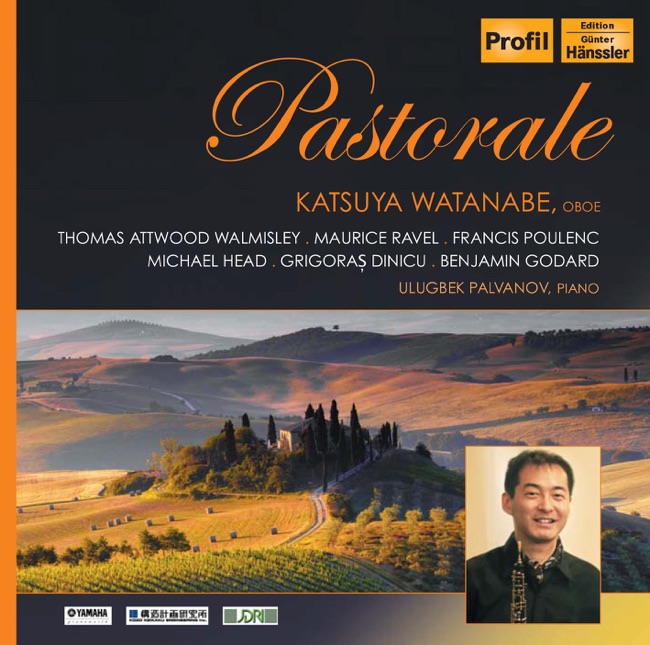 October 14, 2016
 -
 March 4, 2013
Keyboard
-
 August 21, 2007
Artist Info
Role:Composer PerformerCountry: United KingdomBirth:January 21, 1814 in London, EnglandDeath:January 17, 1856 in Hastings, East Sussex, EnglandPeriod:RomanticGenre:ChoralThomas Attwood Walmisley was a British composer and organist who lived during the 19th century. He was born on January 21, 1814, in London, England, to a family of musicians. His father, Thomas Forbes Walmisley, was a well-known organist and composer, and his mother, Elizabeth, was a singer. From a young age, Walmisley showed a great talent for music, and he began his formal training at the age of six. Walmisley's early musical education was under the tutelage of his father, who was the organist at St. Martin-in-the-Fields in London. He also studied with other prominent musicians of the time, including William Crotch and Samuel Wesley. In 1827, at the age of 13, Walmisley was appointed organist at St. John's College, Cambridge, where he would later become a student. During his time at Cambridge, Walmisley continued to develop his musical skills and began to compose his own works. In 1833, he won the prestigious Bachelor of Music degree from the University of Cambridge, and in 1836, he was appointed organist at Trinity College, Cambridge, a position he held until his death. Walmisley's compositions were highly regarded during his lifetime, and he was considered one of the leading composers of his time. His works were influenced by the music of his predecessors, including Handel and Bach, as well as the emerging Romantic style of the time. He was known for his skillful use of counterpoint and his ability to create complex and intricate musical structures. One of Walmisley's most famous works is his anthem "Magnificat and Nunc Dimittis in D minor," which was composed in 1833. The piece is a setting of the Magnificat and Nunc Dimittis texts from the Book of Common Prayer and is scored for choir and organ. The anthem is notable for its use of complex harmonies and intricate counterpoint, and it remains a popular piece in the choral repertoire to this day. Another notable work by Walmisley is his "Organ Sonata in D minor," which was composed in 1852. The piece is scored for solo organ and is considered one of the finest examples of the Romantic organ sonata. The work is notable for its use of rich harmonies and virtuosic organ writing, and it remains a popular piece in the organ repertoire. In addition to his compositions, Walmisley was also a highly regarded organist and conductor. He was known for his skillful improvisations on the organ and was a sought-after performer throughout his career. He also conducted numerous choral and orchestral performances, including the first performance of Mendelssohn's "Elijah" in Cambridge in 1847. Despite his success as a composer and musician, Walmisley's life was cut short by illness. He died on January 17, 1856, at the age of 41. His legacy lives on through his compositions, which continue to be performed and admired by musicians and audiences alike.More....
Recent Artist Music
1
5:10

4
11:19
9
5:14
11
5:36
12
13:12
13
5:38
14
4:13
Copyright Ⓒ 2013 Davinci Finger. All rights reseved
Service Terms & Policy