


Tertius Noble
Released Album
Choral
-
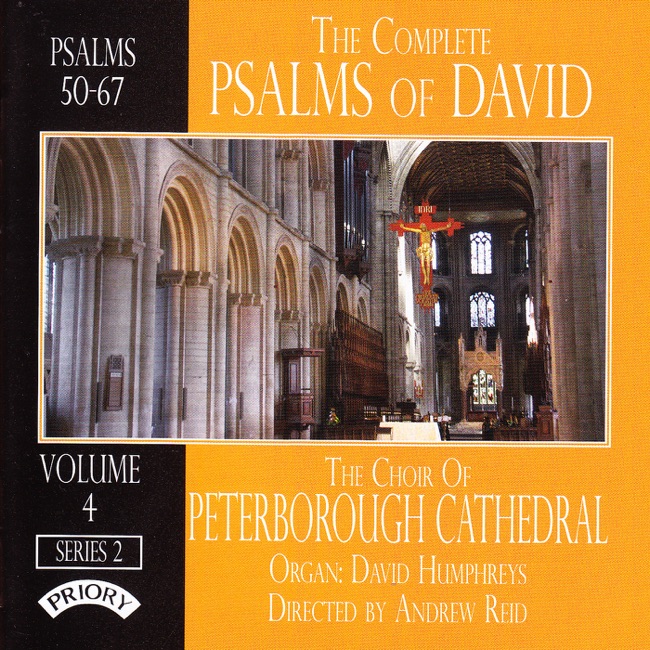
-
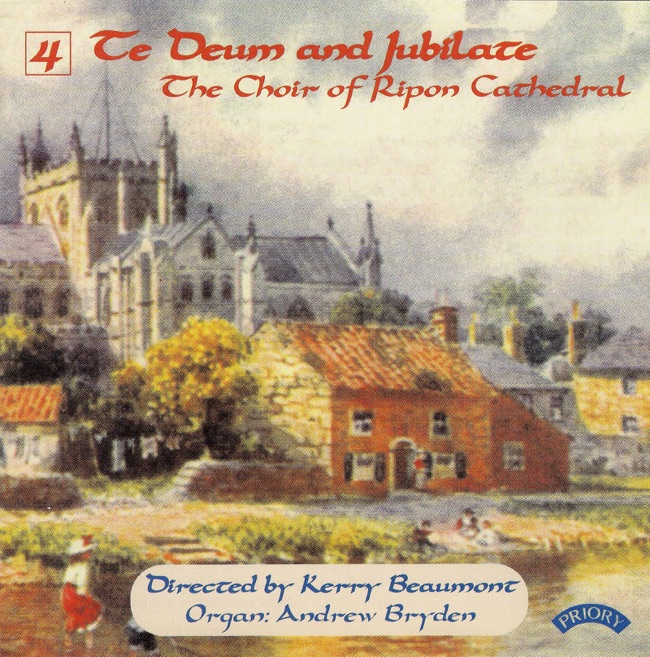 December 24, 2002
 -
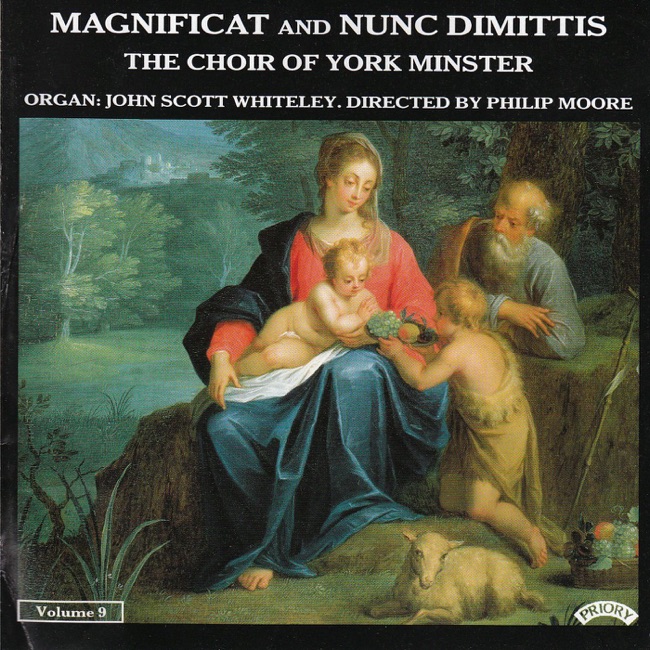 June 24, 1997
 -
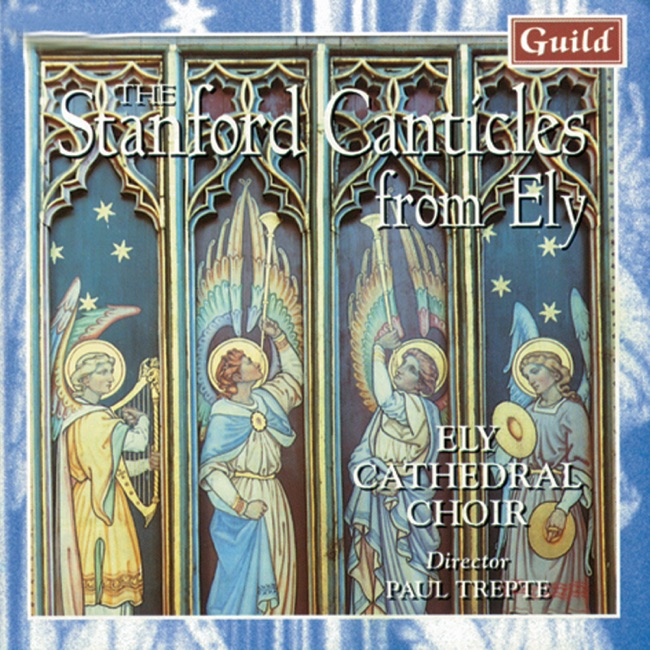 February 20, 1996
 -
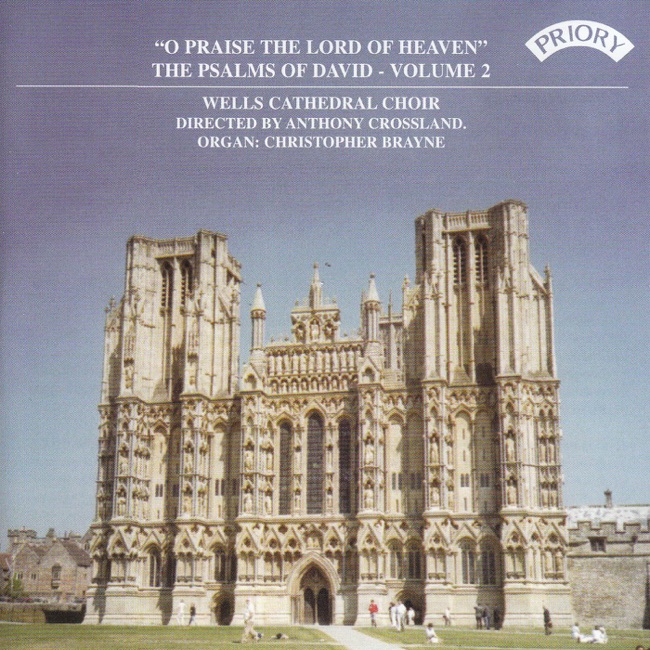 August 1, 1990
Keyboard
-
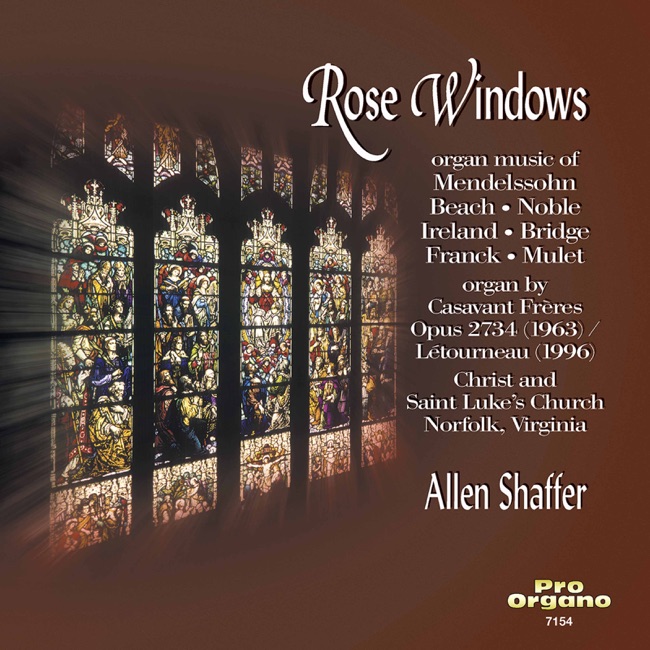 March 25, 2003
Artist Info
Role:ComposerCountry: United KingdomBirth:July 5, 1867 in Bath, Somerset, EnglandDeath:May 4, 1953 in Rockport, MEPeriod:ModernGenre:ChoralKeyboardTertius Noble was a renowned composer and organist who made significant contributions to the world of classical music. Born on May 5, 1867, in Bath, England, Noble was the son of a clergyman. His father, Reverend John Noble, was a musician and a scholar who instilled in his son a love for music and literature. Tertius Noble's early years were spent in Bath, where he received his primary education. At the age of 14, Noble was sent to study at the prestigious Winchester College, where he excelled in music and academics. He was a gifted pianist and organist, and his talent was recognized by his teachers and peers. After completing his studies at Winchester, Noble went on to study music at the Royal College of Music in London. There, he studied under some of the most prominent musicians of his time, including Charles Villiers Stanford and Hubert Parry. Noble's early compositions were heavily influenced by the Romantic style of music, which was popular in the late 19th century. His first major work, a cantata titled "The Pilgrim's Progress," was composed in 1892 and was well-received by audiences and critics alike. The success of this work led to Noble being commissioned to compose several other works, including a number of choral pieces and hymns. In 1898, Noble was appointed as the organist and choirmaster at Ely Cathedral in Cambridgeshire, England. This was a significant appointment for Noble, as Ely Cathedral was one of the most prestigious cathedrals in England, and the position of organist and choirmaster was highly coveted. At Ely, Noble was responsible for directing the choir and playing the organ for services and concerts. He also composed a number of works specifically for the choir at Ely, including anthems, canticles, and hymns. Noble's time at Ely Cathedral was a period of great creativity and productivity. He composed some of his most significant works during this time, including his "Magnificat and Nunc Dimittis in B minor," which is still performed in cathedrals and churches around the world. He also composed a number of other choral works, including "The Souls of the Righteous," "Thee Will I Love," and "Thee We Adore." In 1913, Noble left Ely Cathedral to take up a position as the organist and choirmaster at York Minster. This was another prestigious appointment for Noble, as York Minster was one of the largest and most important cathedrals in England. At York, Noble continued to compose and direct the choir, and he also became involved in the wider musical community in the city. He was a founding member of the York Musical Society, and he also served as the conductor of the York Symphony Orchestra. Noble's compositions during his time at York Minster were characterized by a more modern and experimental style. He began to incorporate elements of the emerging modernist movement into his music, and his works became more complex and challenging. One of his most significant works from this period was his "Organ Symphony in G minor," which was composed in 1922. This work was a departure from the traditional organ symphonies of the time, and it showcased Noble's innovative approach to composition. In addition to his work as a composer and organist, Noble was also a respected music educator. He taught at the Royal College of Music in London, and he also served as the director of music at the University of York.More....
Recent Artist Music
6
6:14
7
6:14
10
4:
Copyright Ⓒ 2013 Davinci Finger. All rights reseved
Service Terms & Policy