


Manfred Gurlitt
Released Album
Opera
-
 January 7, 2022
 -
 September 21, 2018
 -
 September 21, 2018
 -
 September 21, 2018
 -
 September 14, 2018
 -
 January 1, 2016
Vocal
-
 September 21, 2018
 -
 September 21, 2018
 -
 September 21, 2018
 -
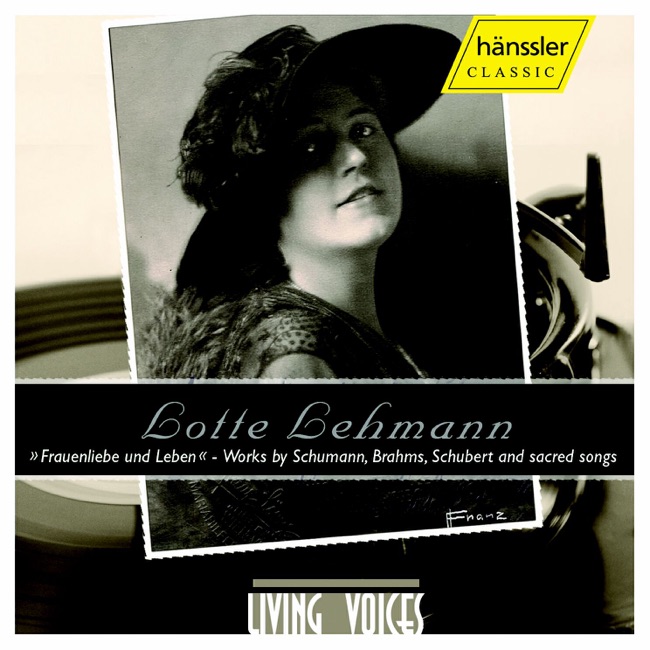 August 1, 2004
 -
 July 21, 1998
 -
 February 7, 1995
Chamber
-
 September 1, 1996
Artist Info
Role:Composer ConductorBirth:September 6, 1890 in Berlin, GermanyDeath:June 17, 1972 in Tokyo, JapanPeriod:RomanticModernGenre:OperaManfred Gurlitt was a German composer, conductor, and pianist who was born on January 21, 1890, in Altona, Germany. He was the son of the famous composer and conductor, Cornelius Gurlitt, and the brother of the art historian, Cornelius Gurlitt Jr. Manfred Gurlitt showed an early interest in music and began his musical education at the age of six. He studied piano with his father and composition with the composer and conductor, Felix Weingartner. In 1908, Manfred Gurlitt enrolled at the Hochschule für Musik in Berlin, where he studied composition with Engelbert Humperdinck and piano with Ferruccio Busoni. He graduated in 1912 with a diploma in composition and piano. After graduation, Gurlitt worked as a freelance composer and pianist, performing in concerts and composing music for various ensembles. In 1914, Gurlitt was drafted into the German army and served as a soldier in World War I. He was wounded in action and was discharged from the army in 1916. After the war, Gurlitt resumed his career as a composer and pianist. He composed music for the theater, including operas, ballets, and incidental music for plays. He also composed orchestral works, chamber music, and piano music. In 1924, Gurlitt was appointed as the conductor of the Berlin State Opera. He conducted many operas and ballets at the opera house, including the premiere of his own opera, "Wozzeck," in 1925. The opera was based on the play by Georg Büchner and was a critical success. Gurlitt's conducting was praised for its precision and clarity, and he became known as one of the leading conductors of his time. In 1933, the Nazi party came to power in Germany, and Gurlitt's career was affected by the new regime. He was dismissed from his position at the Berlin State Opera because of his Jewish ancestry. He continued to compose music, but his works were banned by the Nazi authorities. In 1938, Gurlitt emigrated to Switzerland, where he lived for the rest of his life. In Switzerland, Gurlitt continued to compose music and perform as a pianist. He composed music for the theater, including operas, ballets, and incidental music for plays. He also composed orchestral works, chamber music, and piano music. His music was influenced by the music of the Romantic era, and he was known for his lyrical melodies and rich harmonies. In 1948, Gurlitt was appointed as the conductor of the Basel Symphony Orchestra. He conducted many concerts with the orchestra, including the premiere of his own Symphony No. 2 in 1950. The symphony was well-received by audiences and critics, and it became one of Gurlitt's most popular works. Gurlitt received many awards and honors during his career. In 1950, he was awarded the Hans Christian Andersen Medal for his contributions to children's literature. In 1952, he was awarded the Goethe Prize for his contributions to German culture. In 1955, he was awarded the Order of Merit of the Federal Republic of Germany for his contributions to music. Manfred Gurlitt died on October 17, 1972, in Locarno, Switzerland, at the age of 82. He left behind a legacy of music that continues to be performed and appreciated today. His music is known for its beauty, lyricism, and emotional depth, and it remains an important part of the classical music repertoire.More....
Recent Artist Music


Related Artists
Copyright Ⓒ 2013 Davinci Finger. All rights reseved
Service Terms & Policy