


Pietro Mascagni
Released Album
Opera
-
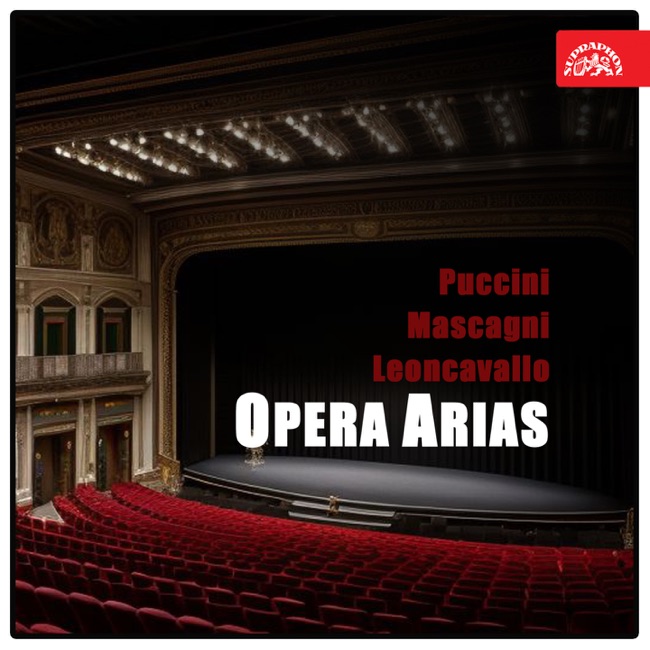 June 21, 2024
 -
 June 21, 2024
 -
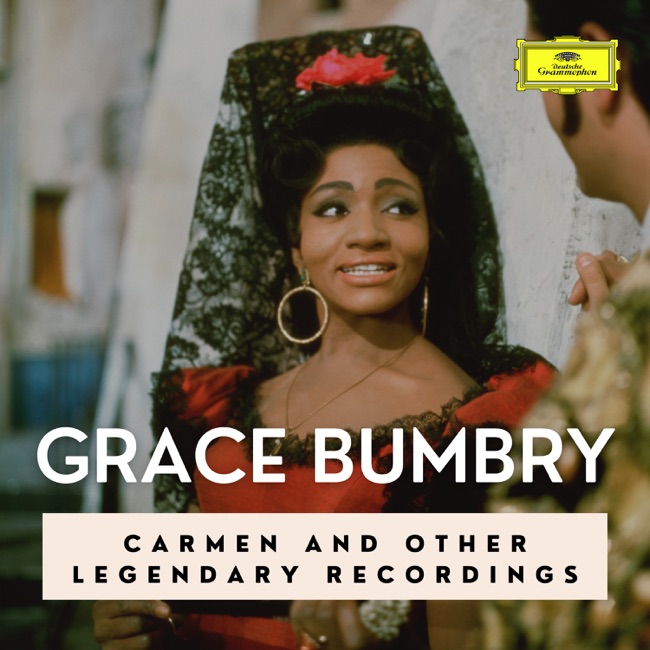 June 1, 2024
 -
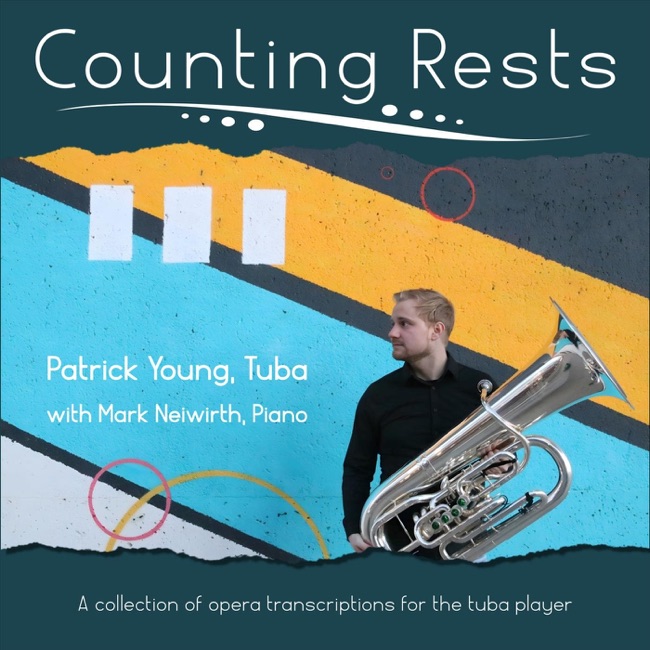 May 20, 2024
 -
-
 April 4, 2024
Vocal
-
 September 29, 2023
 -
 April 21, 2023
 -
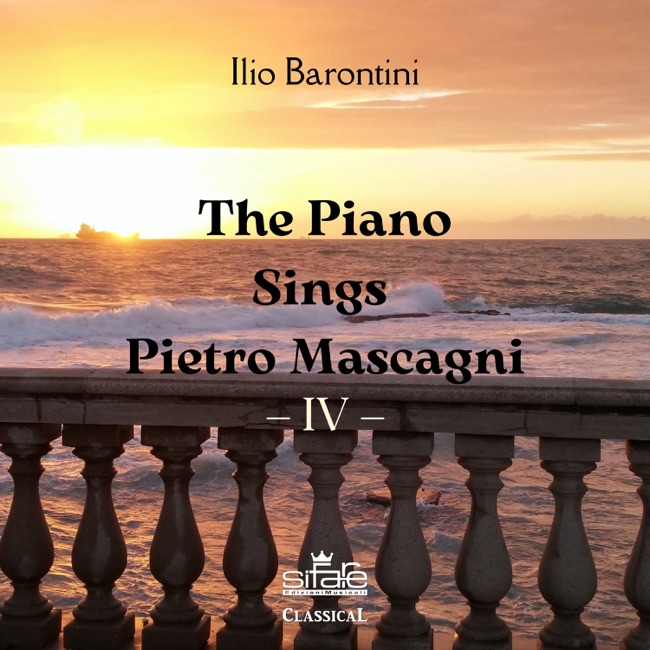 April 7, 2023
 -
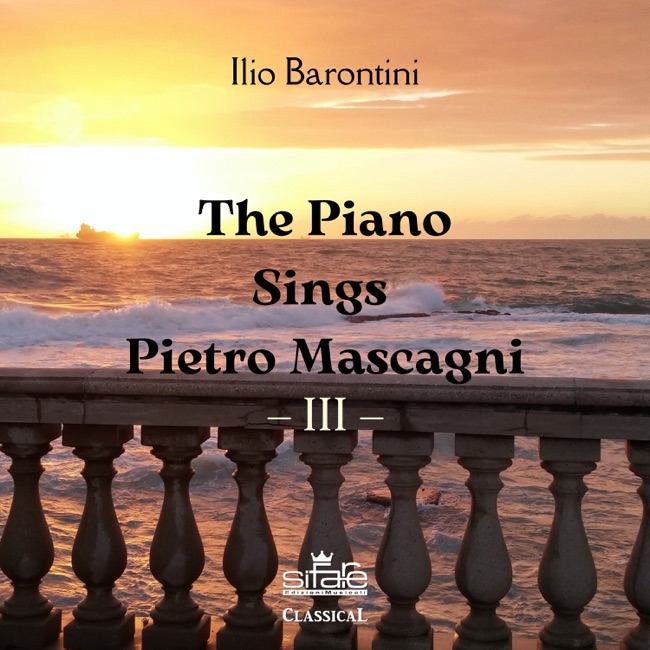 March 24, 2023
 -
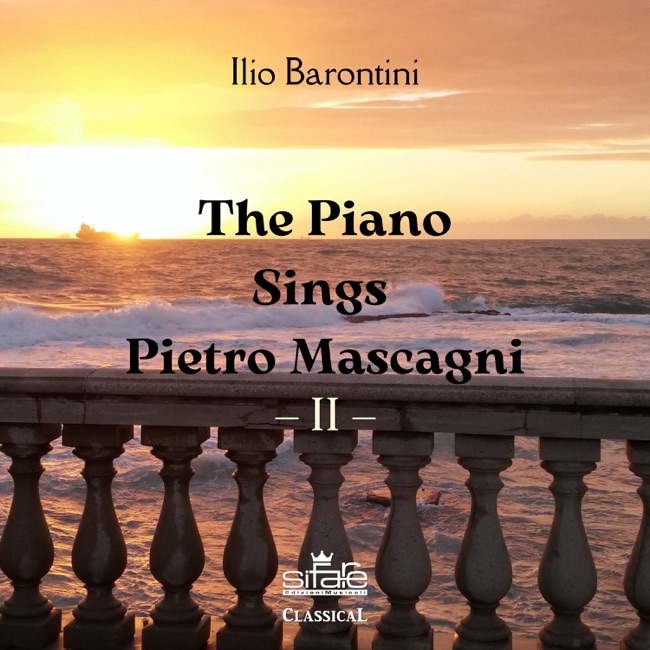 March 10, 2023
 -
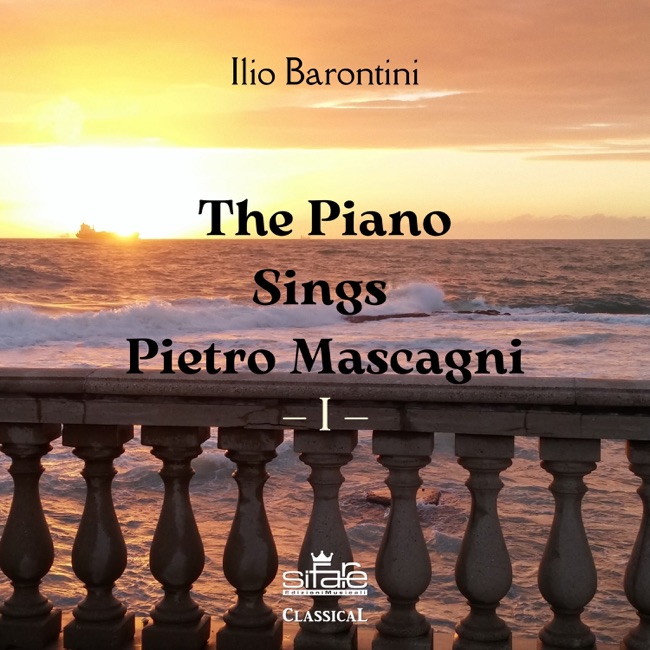 February 24, 2023
Choral
-
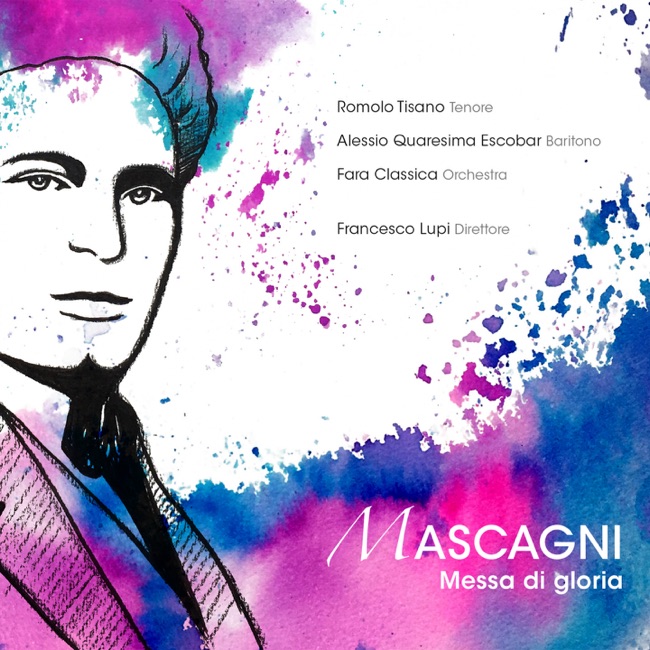 August 9, 2019
 -
 August 3, 2018
 -
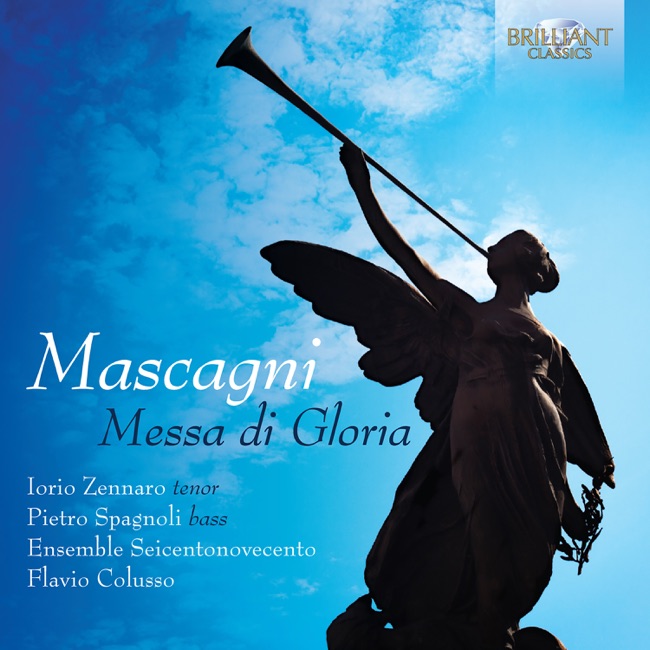 September 30, 2014
 -
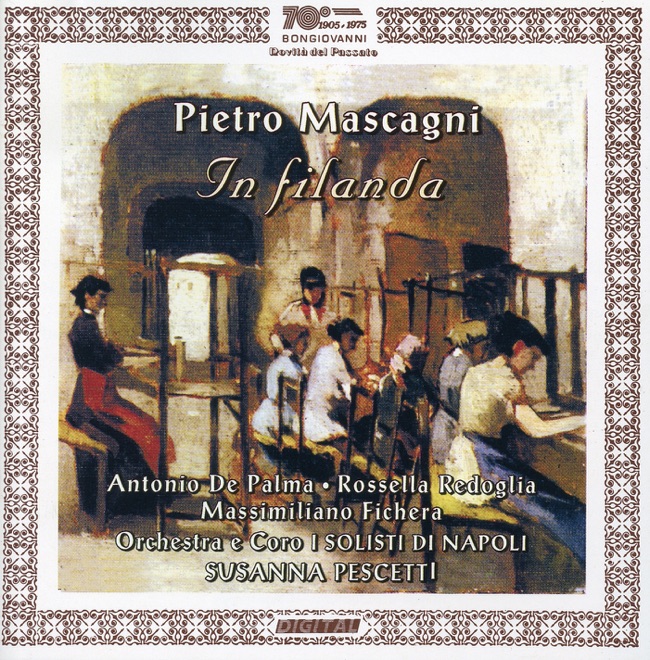 May 1, 2014
 -
-
Orchestral
-
 November 4, 2022
Artist Info
Role:Composer ConductorCountry: ItalyBirth:December 7, 1863 in Livorno, ItalyDeath:August 2, 1945 in Rome, ItalyPeriod:RomanticContemporaryGenre:OperaPietro Mascagni was an Italian composer who was born on December 7, 1863, in Livorno, Tuscany. He was the second son of Domenico Mascagni, a baker, and Emilia Mascagni. His father was a keen amateur musician who played the flute, and his mother was a singer. Mascagni's musical talent was evident from an early age, and he began studying music at the age of six. Mascagni's family moved to Cerignola, a small town in southern Italy, when he was ten years old. There, he continued his music studies and began composing his own music. He wrote his first opera, "Il Filanda," when he was just sixteen years old. However, it was not until he was twenty-six that he achieved international fame with his opera "Cavalleria Rusticana." "Cavalleria Rusticana" premiered in Rome on May 17, 1890, and was an instant success. The opera tells the story of a love triangle between Turiddu, Santuzza, and Alfio in a small Sicilian village. The music is passionate and emotional, and the opera's themes of love, jealousy, and betrayal resonated with audiences. Mascagni's use of the Sicilian folk song "O Lola" in the opera's famous Intermezzo also helped to make it a hit. After the success of "Cavalleria Rusticana," Mascagni continued to compose operas, but none achieved the same level of popularity. His second opera, "L'Amico Fritz," premiered in 1891 and was well-received, but it did not have the same impact as his first opera. Mascagni's third opera, "I Rantzau," premiered in 1892 and was a critical and commercial failure. Mascagni's fourth opera, "Guglielmo Ratcliff," premiered in 1895 and was also a failure. However, his fifth opera, "Silvano," premiered in 1895 and was more successful. Mascagni's sixth opera, "Zanetto," premiered in 1896 and was a one-act opera that was well-received. Mascagni's seventh opera, "Iris," premiered in 1898 and was a departure from his previous operas. It was a dark and tragic opera that dealt with themes of prostitution and suicide. The opera was not well-received, and it marked the beginning of a decline in Mascagni's career. Mascagni continued to compose operas throughout the early 1900s, but none achieved the same level of success as "Cavalleria Rusticana." His later operas, such as "Le Maschere" (1901) and "Amica" (1905), were not well-received by audiences or critics. In addition to his operas, Mascagni also composed orchestral and choral works. His "Intermezzo" from "Cavalleria Rusticana" became one of the most famous pieces of classical music and has been used in numerous films and television shows. Mascagni was also a conductor and led performances of his own works as well as those of other composers. He was appointed the director of the Liceo Musicale Rossini in Pesaro in 1917 and held the position until 1924. Mascagni died on August 2, 1945, in Rome, Italy, at the age of 81. Despite the decline in his career after the success of "Cavalleria Rusticana," Mascagni's contribution to the world of classical music cannot be overstated. His passionate and emotional music continues to be performed and enjoyed by audiences around the world.More....
Recent Artist Music

Works Highlight
Recommend Playlist




















Related Artists
Copyright Ⓒ 2013 Davinci Finger. All rights reseved
Service Terms & Policy