


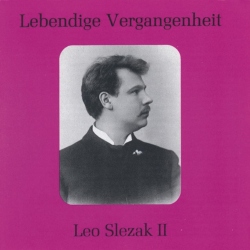
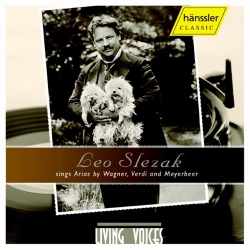
Leo Slezak
Released Album
Opera
-
 September 14, 2018
 -
 March 18, 2013
 -
 March 1, 2011
 -
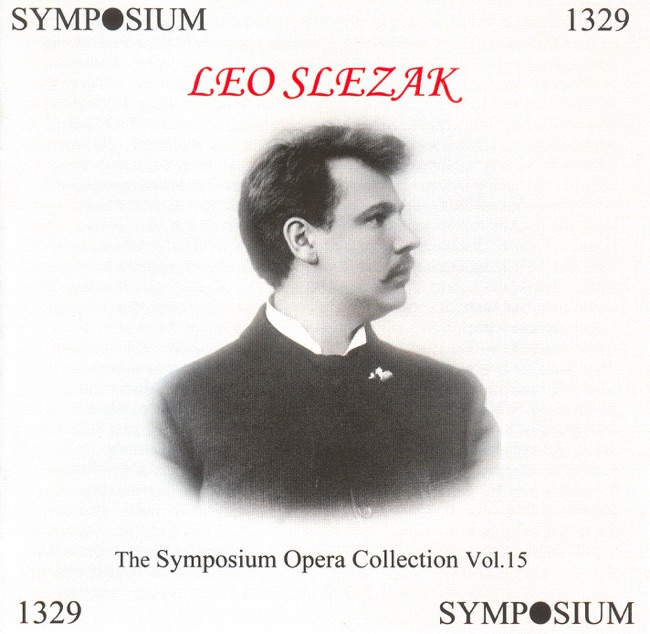 November 30, 2004
 -
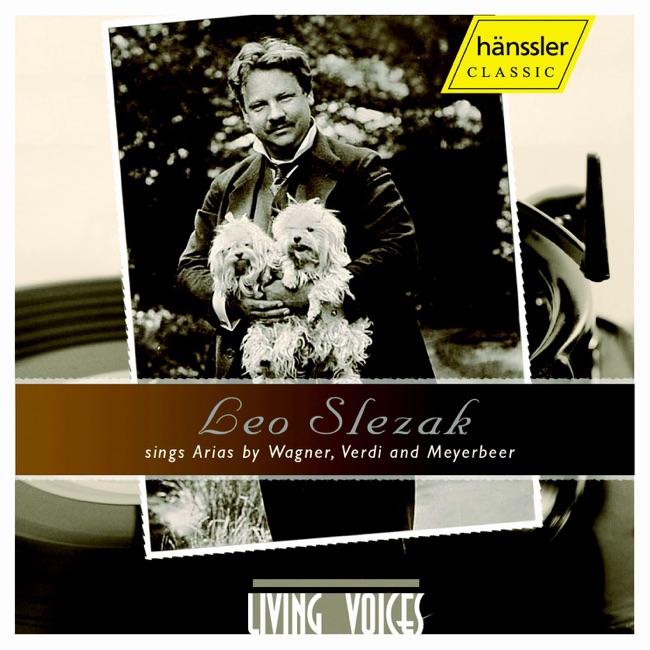 November 15, 2004
 -
Vocal
-
 March 5, 2013
 -
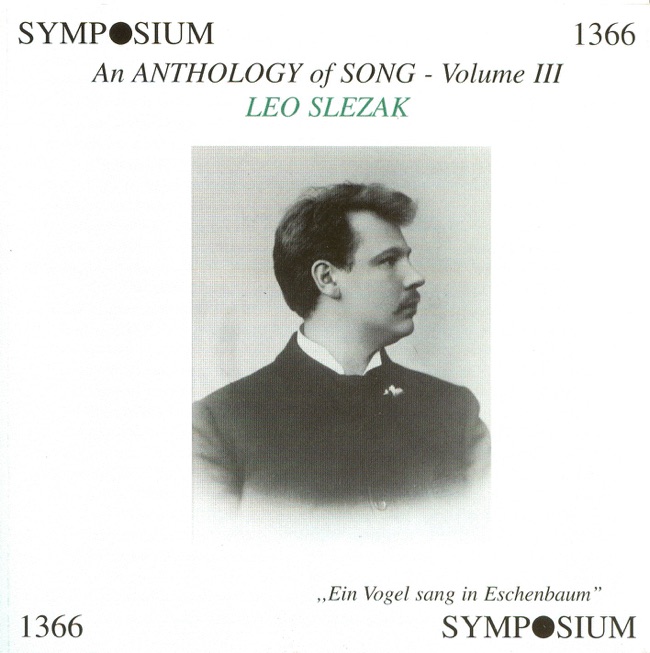 January 1, 2011
 -
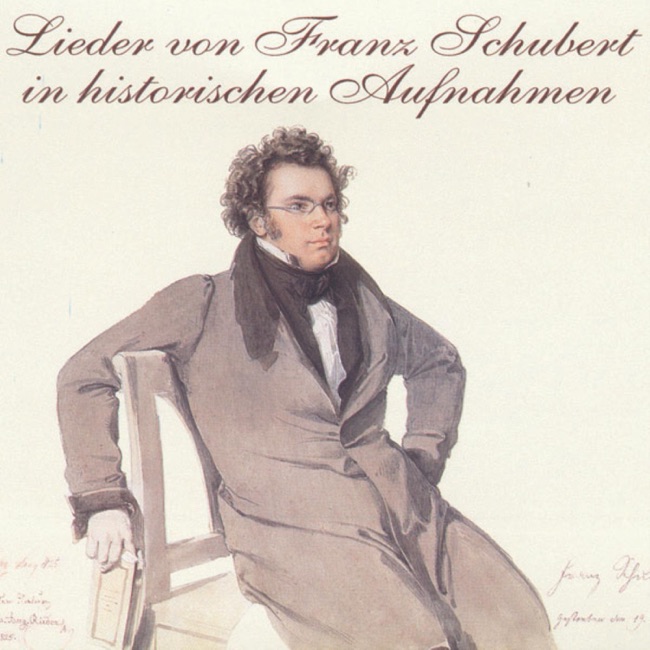 July 21, 1998
 -
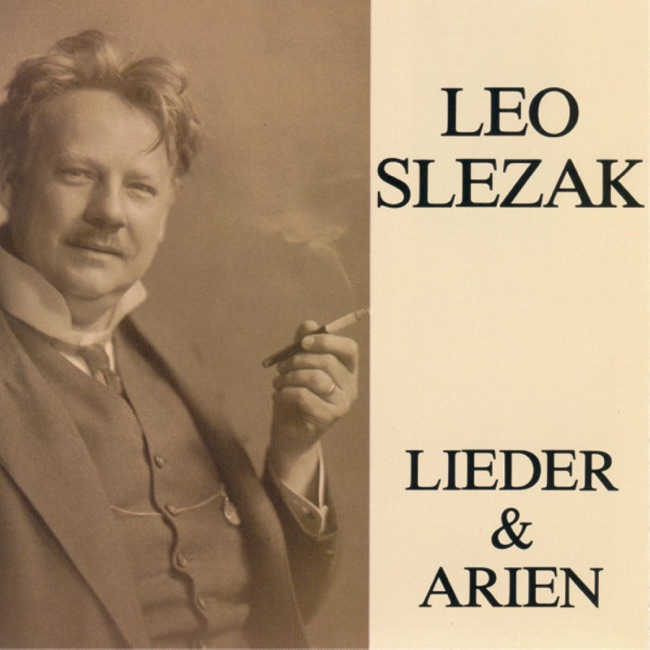 February 7, 1995
Artist Info
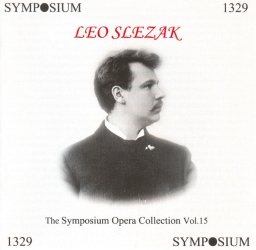
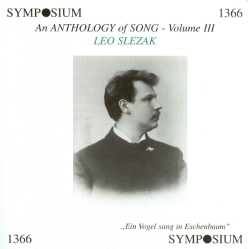
Birth:August 18, 1873 in Schönberg, MoraviaDeath:June 1, 1946 in Egern am TegernseePeriod:RomanticGenre:OperaVocalLeo Slezak was a renowned Austrian tenor who was born on August 18, 1873, in Schönberg, Moravia, which is now part of the Czech Republic. He was the son of the famous opera singer, Franz Slezak, who was a baritone. Leo Slezak was the youngest of three children and grew up in a musical family. His siblings, Margarethe and Walter, also became opera singers. Leo Slezak began his musical training at an early age, studying piano and violin. However, he soon realized that his true passion was singing, and he began taking voice lessons with his father. He made his debut as a singer in 1896, at the age of 23, in Brno, Moravia, in the role of Lohengrin in Wagner's opera of the same name. Slezak's career took off quickly, and he soon became one of the most sought-after tenors of his time. He made his debut at the Vienna State Opera in 1898, in the role of Max in Weber's "Der Freischütz." He quickly became a favorite of the Viennese public, and his performances were always highly anticipated. Slezak's voice was known for its power and clarity, and he was particularly renowned for his performances of Wagner's operas. He was considered one of the greatest interpreters of the role of Siegfried in Wagner's "Ring" cycle, and he also excelled in the roles of Tristan and Parsifal. Slezak's international career took off in the early 1900s, and he began performing in major opera houses throughout Europe and the United States. He made his debut at the Metropolitan Opera in New York in 1909, in the role of Siegfried in "Die Walküre." He quickly became a favorite of the New York audience, and he continued to perform at the Met for many years. Slezak's career was not without controversy, however. He was known for his temperamental behavior, and he often clashed with conductors and directors. He was also criticized for his lack of subtlety in his performances, and some critics felt that his voice lacked the nuance and refinement of other great tenors of his time. Despite these criticisms, Slezak continued to be a major force in the world of opera throughout his career. He was particularly renowned for his performances of Wagner's operas, and he was considered one of the greatest interpreters of the composer's work. He also excelled in the roles of Verdi's Otello and Don Carlos, and he was known for his powerful performances of the title role in Strauss's "Elektra." Slezak's career was interrupted by World War I, during which he served in the Austrian army. After the war, he returned to the stage, but his voice had suffered some damage from the strain of military service. He continued to perform, however, and he remained a popular and respected singer until his retirement in 1936. In addition to his career as a singer, Slezak was also a noted actor and film star. He appeared in several films in the 1920s and 1930s, including the German silent film "The Love of Jeanne Ney" (1927) and the Austrian film "The Emperor's Waltz" (1933). Slezak was also a prolific recording artist, and he made many recordings of his performances throughout his career. His recordings of Wagner's operas, in particular, are still highly regarded by critics and fans alike. Leo Slezak died on June 1, 1946, in Rottach-Egern, Germany, at the age of 72. He left behind a legacy as one of the greatest tenors of his time, and his performances continue to be celebrated by opera lovers around the world.More....
Recent Artist Music



Related Artists
Copyright Ⓒ 2013 Davinci Finger. All rights reseved
Service Terms & Policy