


Gregorio Paniagua
Artist Info
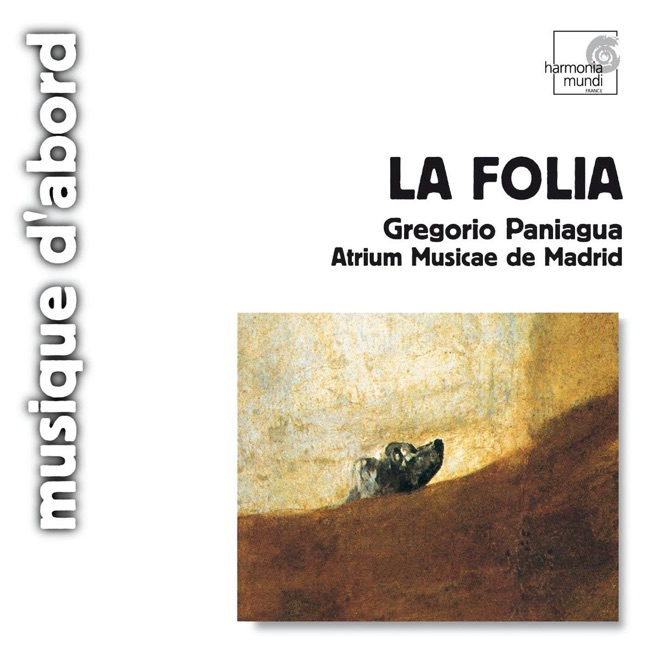
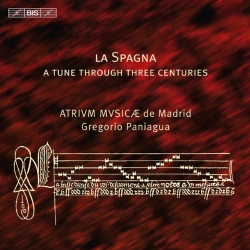
Role:Composer Conductor PerformerCountry: SpainBirth:1944 in Madrid, SpainPeriod:ContemporaryGenre:ChamberGregorio Paniagua was a Spanish musician, composer, and conductor who was born on May 9, 1944, in Madrid, Spain. He was the son of a famous Spanish composer, Joaquín Rodrigo, who was known for his classical guitar compositions. Paniagua grew up in a musical family and was exposed to classical music from a young age. He began his musical training at the age of six and went on to study at the Madrid Conservatory. Paniagua's early career was focused on performing and recording early music, particularly music from the Renaissance and Baroque periods. He was a member of several early music ensembles, including Atrium Musicae de Madrid, which he founded with his brothers in 1972. The group was known for its innovative approach to early music, incorporating elements of traditional Spanish music and improvisation into their performances. In addition to his work with Atrium Musicae de Madrid, Paniagua also collaborated with other early music ensembles, including Hespèrion XX and La Capella Reial de Catalunya. He recorded numerous albums of early music, including "Musique de la Grèce Antique" (Music of Ancient Greece) and "Musique de la Renaissance Espagnole" (Music of the Spanish Renaissance). Paniagua's interest in early music led him to explore the music of other cultures and time periods. He was particularly interested in the music of ancient civilizations, including Greece, Egypt, and Mesopotamia. He traveled extensively to research and study these musical traditions, and incorporated elements of these traditions into his own compositions. One of Paniagua's most notable works was his 1981 album "Cantos Cautivos" (Captive Songs), which was inspired by the music of the Mapuche people of Chile. The album was a collaboration with Chilean poet and activist Marjorie Agosín, and featured traditional Mapuche music as well as original compositions by Paniagua. The album was praised for its innovative approach to world music and its political message, which addressed the oppression of indigenous peoples in Chile. Paniagua continued to explore world music throughout his career, incorporating elements of African, Middle Eastern, and Indian music into his compositions. He also collaborated with musicians from around the world, including Indian sitar player Ravi Shankar and Moroccan musician Hassan Hakmoun. In addition to his work as a performer and composer, Paniagua was also a respected conductor. He conducted numerous orchestras and ensembles, including the Spanish National Orchestra and the Orchestra of the Age of Enlightenment. He was known for his dynamic and expressive conducting style, and was praised for his ability to bring out the best in his musicians. Throughout his career, Paniagua received numerous awards and honors for his contributions to music. In 1991, he was awarded the National Music Prize by the Spanish Ministry of Culture. He was also awarded the Gold Medal for Fine Arts by the Spanish government in 2003. Paniagua's legacy as a musician and composer continues to be felt today. His innovative approach to early music and his exploration of world music have inspired countless musicians and composers around the world. His commitment to social justice and his use of music as a tool for political activism have also had a lasting impact on the world of music. Gregorio Paniagua passed away on April 28, 2019, but his music and his legacy continue to live on.More....
Recent Artist Music
Related Artists
Copyright Ⓒ 2013 Davinci Finger. All rights reseved
Service Terms & Policy