


Spanish Anonymous
Released Album
Miscellaneous
-
 August 12, 2016
 -
 August 12, 2014
 -
 March 25, 2014
 -
 March 26, 2013
 -
 February 20, 2012
Vocal
-
 November 1, 2023
 -
 September 29, 2023
 -
 September 24, 2021
 -
 July 31, 2020
 -
 November 16, 2018
 -
 August 3, 2018
Chamber
-
 February 16, 2018
 -
 December 8, 2017
 -
 June 7, 2013
 -
 December 10, 2012
Choral
-
 May 9, 2014
 -
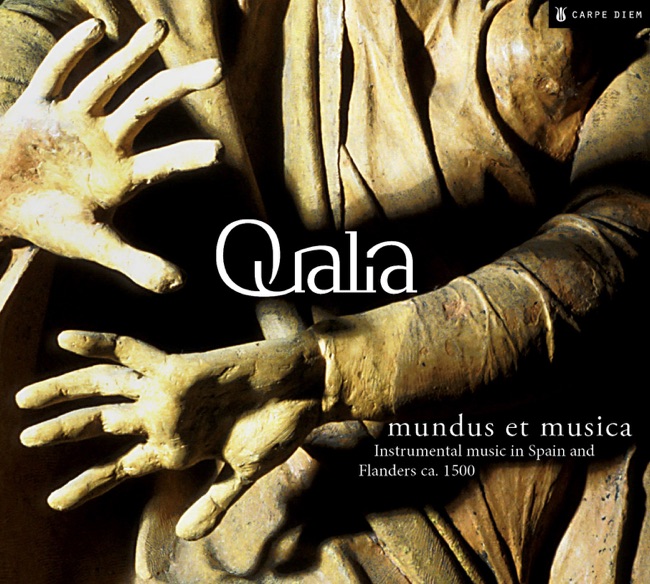 October 29, 2012
 -
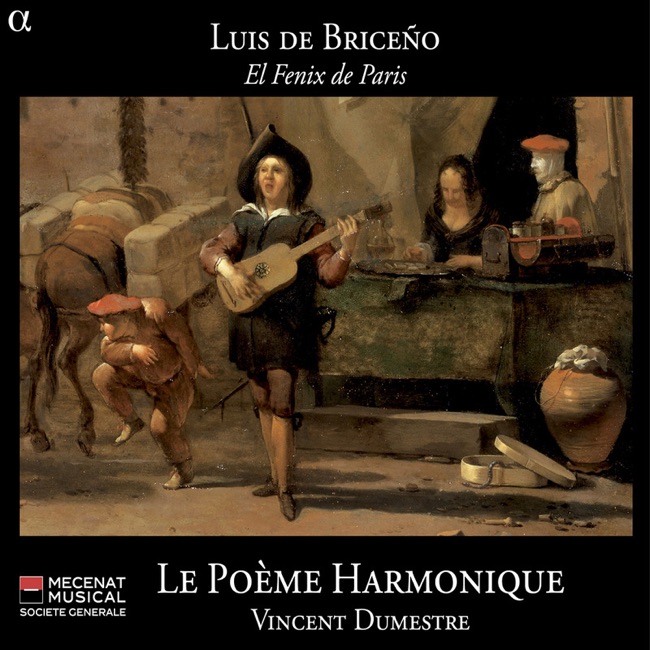 October 11, 2011
 -
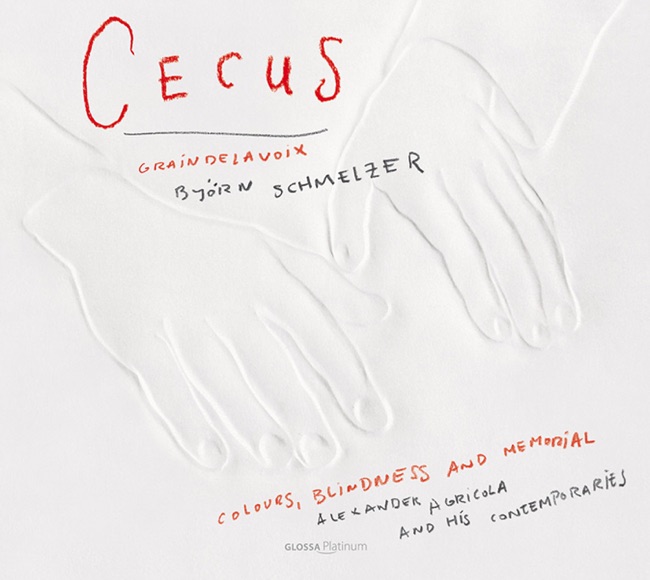 October 18, 2010
 -
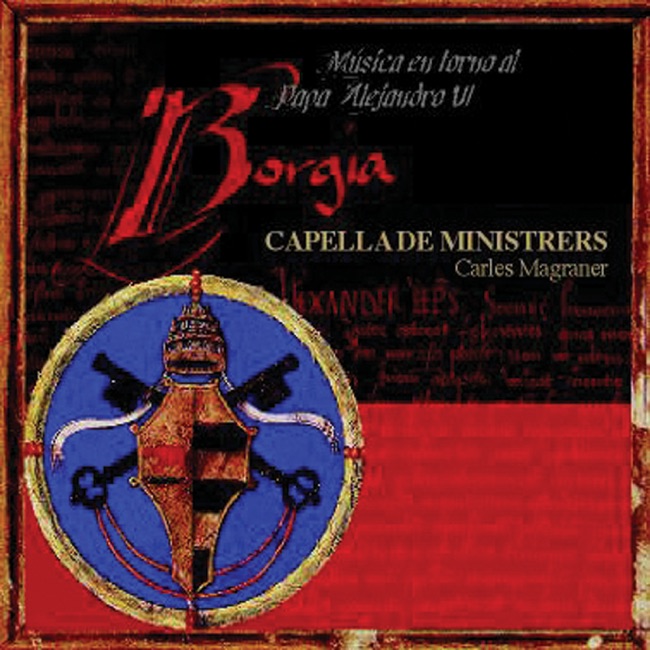 May 29, 2007
Artist Info
Role:ComposerCountry: SpainSpanish Anonymous is a classical music composer whose identity remains unknown to this day. Despite the lack of information about the composer's personal life, their works have left a significant impact on the world of classical music. The birth and growth of Spanish Anonymous as a musician is shrouded in mystery. It is believed that the composer lived and worked in Spain during the Renaissance period, which spanned from the 14th to the 17th century. During this time, Spain was a hub of artistic and cultural activity, with a thriving music scene that produced some of the most influential composers of the era. Spanish Anonymous was likely influenced by the musical traditions of the time, which included Gregorian chant, polyphony, and secular music. The composer's works reflect a deep understanding of these musical styles, as well as a willingness to experiment with new forms and techniques. One of the highlights of Spanish Anonymous's composed works is the Cancionero de Palacio, a collection of songs that was compiled in the late 15th century. The Cancionero de Palacio contains over 400 pieces of music, including villancicos, romances, and other popular songs of the time. Many of these songs were written by Spanish Anonymous, although the composer's name does not appear in the collection. The Cancionero de Palacio is notable for its use of vernacular language, which was a departure from the Latin texts that were commonly used in religious music at the time. The songs in the collection are also characterized by their lively rhythms and catchy melodies, which made them popular with audiences of the time. Another notable work by Spanish Anonymous is the Codex Calixtinus, a manuscript that was created in the 12th century. The Codex Calixtinus contains a collection of music that was used in the liturgy of the Santiago de Compostela Cathedral in Spain. The music in the manuscript is a mix of Gregorian chant and polyphony, and it reflects the religious and cultural traditions of the time. The Codex Calixtinus is also notable for its historical significance. The manuscript contains the first known account of the pilgrimage to Santiago de Compostela, which was one of the most important religious pilgrimages of the Middle Ages. The manuscript also contains descriptions of the miracles that were said to have occurred at the shrine of Saint James in Santiago de Compostela. In addition to the Cancionero de Palacio and the Codex Calixtinus, Spanish Anonymous is also known for their contributions to the Spanish villancico. The villancico was a popular form of secular music in Spain during the Renaissance period, and it was characterized by its use of vernacular language and lively rhythms. Spanish Anonymous's villancicos were often written for special occasions, such as Christmas or the Feast of the Epiphany. The composer's villancicos are notable for their use of polyphony, which allowed for multiple voices to sing different melodies at the same time. This technique created a rich and complex sound that was well-suited to the festive nature of the villancico. Despite the lack of information about Spanish Anonymous's personal life, their works have left a lasting impact on the world of classical music. The composer's use of vernacular language, lively rhythms, and polyphony helped to shape the musical traditions of Spain during the Renaissance period, and their works continue to be studied and performed by musicians around the world.More....
Recent Artist Music
5
3:24
6
5:41
8

Cantiga de Santa Maria: Como poden per sas culpas
Como podem per sas culpas. Cantigas de Santa Maria No. 29
3:45

10
2:33
13

En una concha de Venus (Tonos Humanos, Manuscript M. 1262, National Library of Spain, 1656)
En una concha de Venus
4:50
14
3:40
Copyright Ⓒ 2013 Davinci Finger. All rights reseved
Service Terms & Policy