


Francesco Canova da Milano
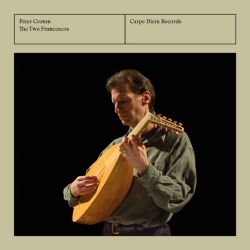
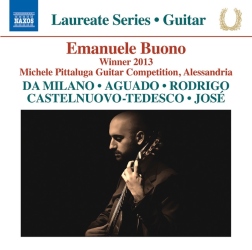
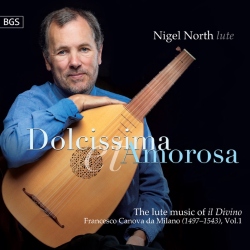
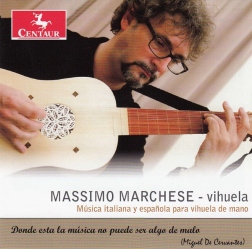
Released Album
Chamber
-
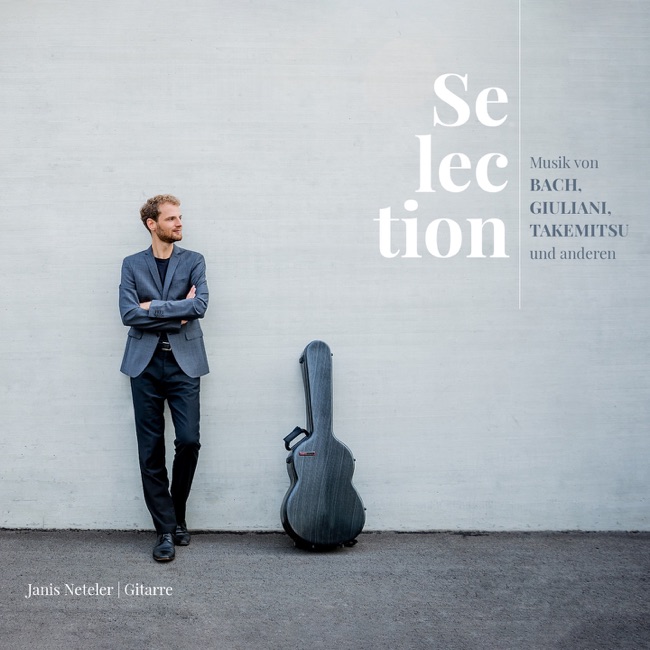 April 16, 2021
 -
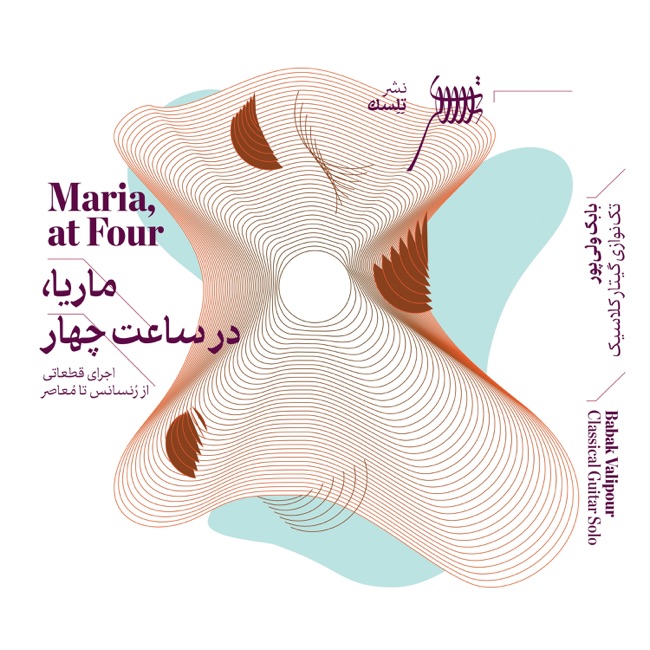 July 1, 2019
 -
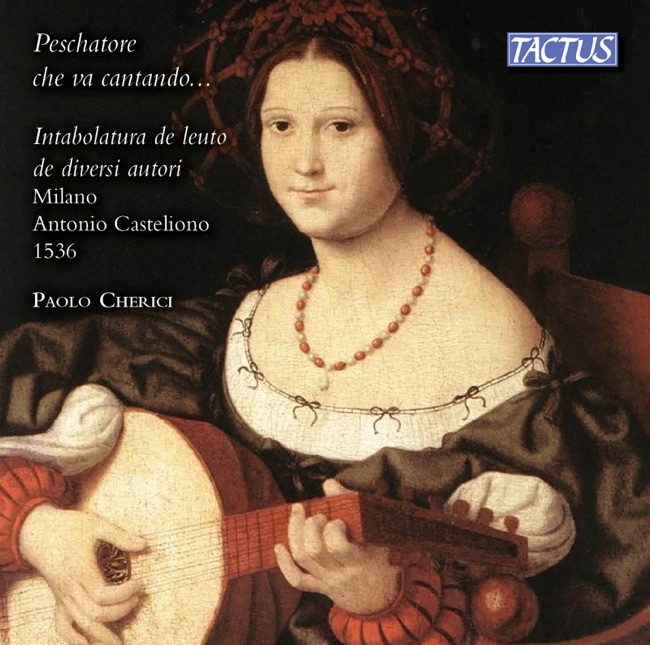
-
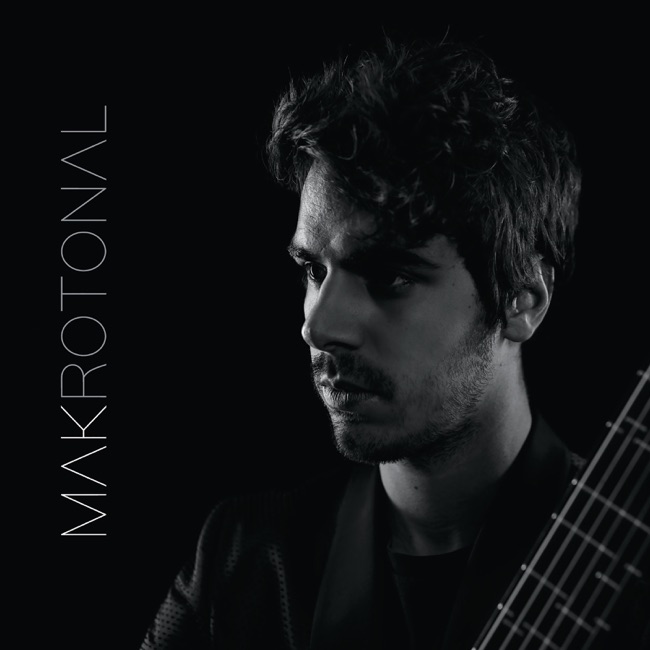 February 2, 2018
 -
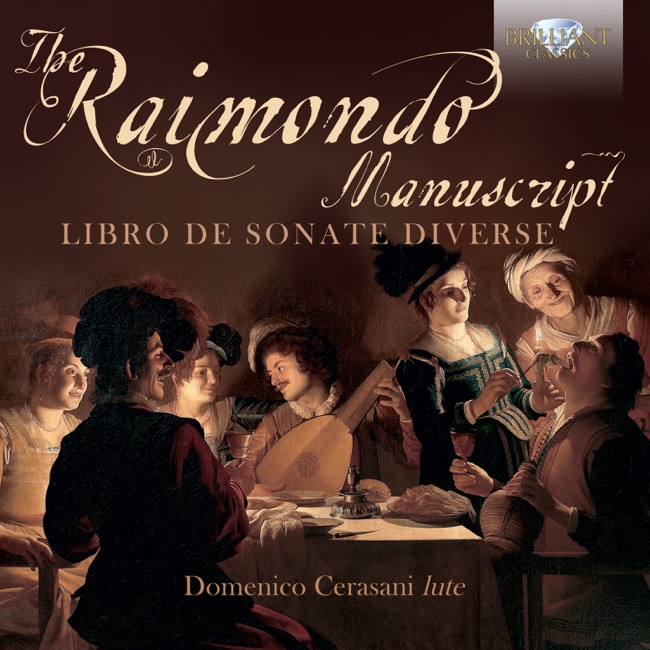 December 15, 2017
 -
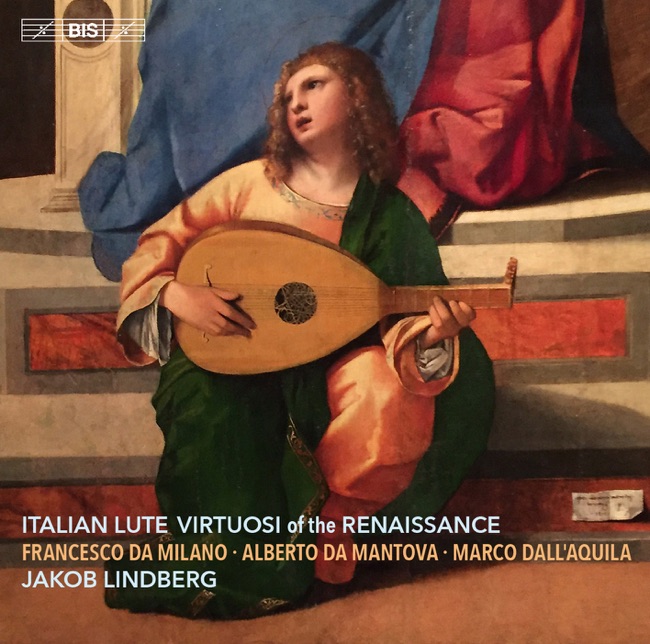 October 14, 2016
Artist Info
Role:ComposerCountry: ItalyBirth:August 18, 1497 in Monza, ItalyDeath:April 15, 1543Period:RenaissanceGenre:ChamberKeyboardFrancesco Canova da Milano was a prominent Italian composer and lutenist of the Renaissance era. He was born in Monza, Italy, in 1497, and was the son of a musician named Benedetto Canova. Francesco was trained in music by his father, who was a lutenist and singer at the court of the Duke of Milan. Francesco's musical talent was evident from a young age, and he quickly became a skilled lutenist. He began performing at the court of the Duke of Milan when he was just a teenager, and he soon gained a reputation as one of the finest lutenists in Italy. He was known for his virtuosic playing and his ability to improvise on the lute. In 1516, Francesco was appointed as a musician at the court of Pope Leo X in Rome. He remained in Rome for several years, performing for the pope and other members of the Roman aristocracy. During this time, he also composed many of his most famous works, including his famous Fantasias and Ricercars. Francesco's music was highly regarded during his lifetime, and he was considered one of the greatest lutenists of his time. His music was known for its intricate melodies, complex harmonies, and virtuosic playing. He was also known for his use of counterpoint, which was a technique that involved combining multiple melodies to create a complex and harmonious sound. Francesco's most famous works are his Fantasias and Ricercars, which are collections of pieces for solo lute. These works are characterized by their complex harmonies and intricate melodies, and they are considered some of the finest examples of Renaissance lute music. Francesco's music was also highly influential, and many later composers, including Johann Sebastian Bach, were inspired by his work. Francesco died in Milan in 1543, at the age of 46. Despite his relatively short life, he left behind a rich legacy of music that continues to be celebrated and performed today. His music remains an important part of the classical music canon, and his influence can be heard in the work of many later composers.More....
Recent Artist Music



Copyright Ⓒ 2013 Davinci Finger. All rights reseved
Service Terms & Policy